 EN_US
 Español
 Русский
 العربية
 Português do Brasil
 Francés
 Bahasa Indonesia
 Turco
 Tiếng Việt
 Bahasa Melayu
 Ucraniano




 Información técnica
Bridge Construction Equipment Data Analysis: How to Detect Potential Failures Early
Descripción general
Bridge construction equipment endures heavy loads, frequent operation, and complex conditions over long periods. Fatigue and wear in key components often accumulate gradually during daily operation. Many projects still schedule maintenance by fixed time or operating hours. This approach rarely reflects the real equipment condition. Some components fail before their maintenance interval, while others are over-maintained. Sudden failures bring downtime, schedule delays, and repair costs. Anyone who has worked on bridge projects likely knows this.
This article starts with operational data analysis for bridge construction equipment. It reviews key data that this equipment should monitor. And explains how load, temperature, vibration, and brake records can reveal potential faults early. It also presents ideas for turning data into maintenance plans. Finally, it shares practical methods from HSBRIDGE project cases.
Planning a bridge construction project? Unsure which equipment to choose?
The operational reliability of heavy bridge construction equipment directly affects project progress and construction safety. Proper equipment configuration, condition monitoring, and maintenance planning can identify potential problems earlier. HSBRIDGE can provide customized equipment solutions based on your construction needs.
[Contact us for the best solution]
Which key operational data should bridge construction equipment monitor?
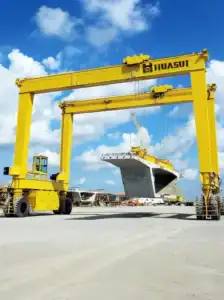
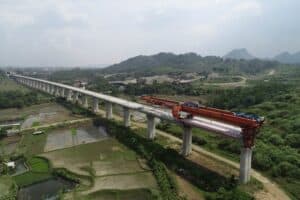
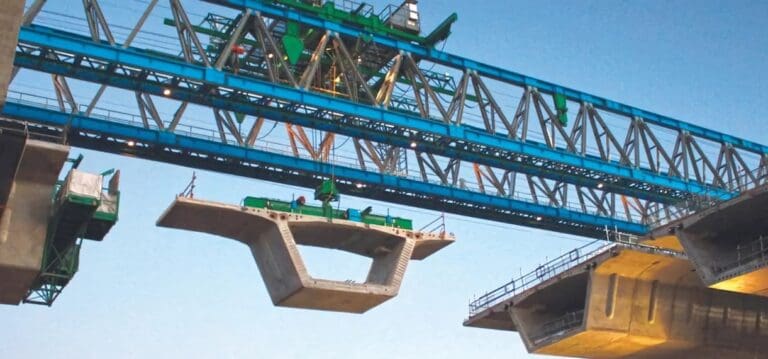
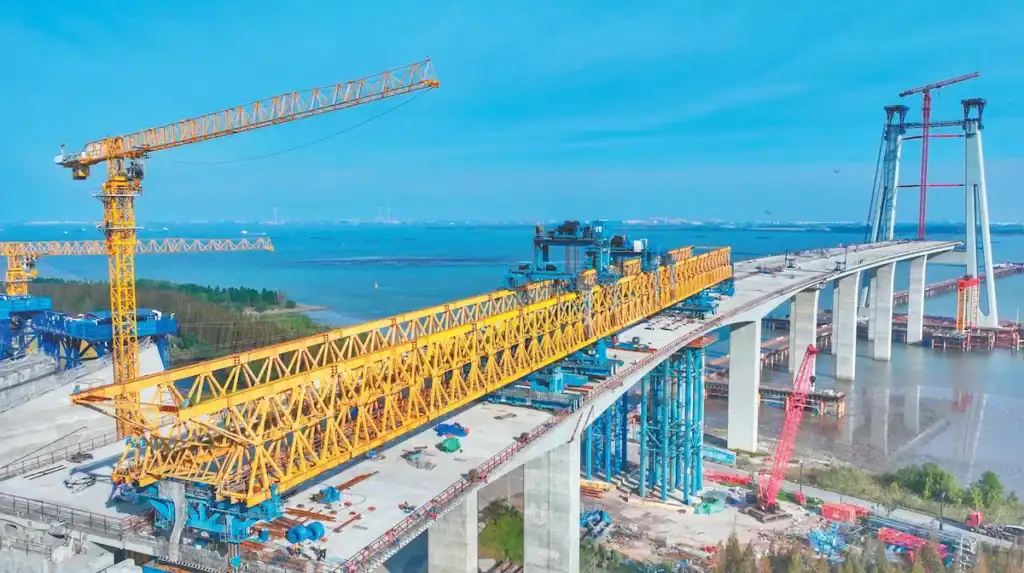
More operational data is not always better. Bridge construction equipment sites are already busy. Installing dozens of sensors at the start often means nobody reviews them. A practical approach is to start with data showing work volume, load, and component degradation. Then add more data gradually. The following categories cover core daily monitoring for pórticos de lanzamiento de puentes, beam lifting grúas pórtico, y transportadores de haz.
Bridge construction equipment operating time and work cycle counts
This data looks simple, but it is often reduced to total operating hours. Honestly, total hours alone make later fault explanations difficult. The same 1,000 operating hours can mean very different wear. Frequent starts and stops differ greatly from continuous smooth operation.
Recommend monitoring at least the following items:
- Cumulative operating time and daily working hours: Summarize by shift or day, not just one cumulative value. This shows whether equipment runs continuously or intermittently.
- Lifting, lowering, travel, and braking counts: These counts directly reflect fatigue accumulation in ropes, brakes, drums, and drives.
- Equipment start, stop, and frequent start-stop records: Frequent starts and stops often stress motors, frequency converters, and brakes more than steady operation.
- Operating frequency under different work cycles: Record shares of heavy lifting cycles and empty travel cycles. This supports later maintenance adjustments by working condition.
In field practice, review work cycle counts and operating time in the same daily report. Hours alone can look averaged. Adding cycle counts makes actual equipment busyness clearer.
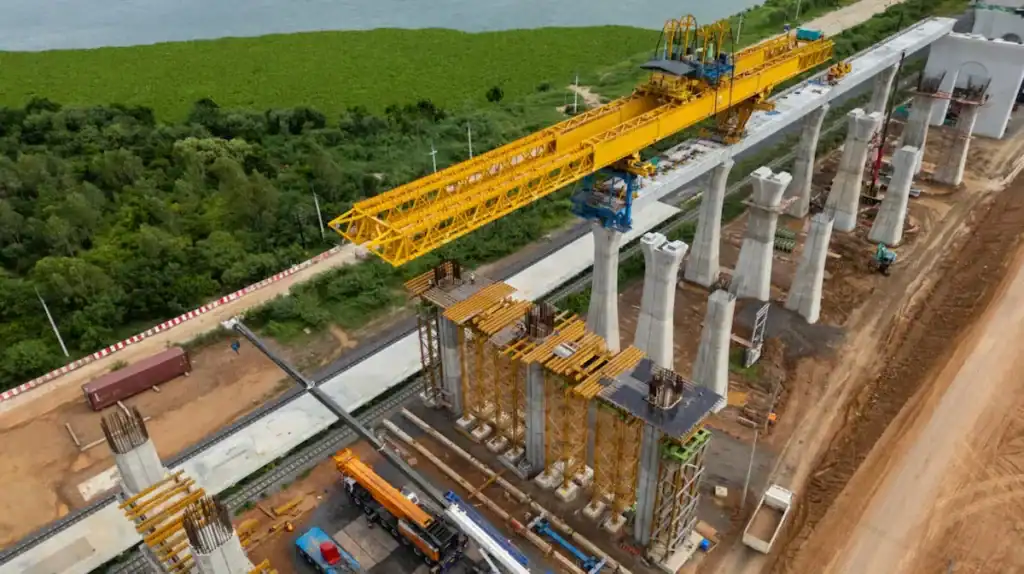
Load and lifting operation data
Load data is one of the most valuable parts of bridge construction equipment operation analysis. Bridge components are heavy, and lifting spans are large. The issue is often long-term high-utilization operation, not simple overload.
Key points to monitor include:
| Monitoring item | Suggested recording method | Main use |
| Actual lifted load | Record max and average by lifting cycle | Judge load level and overload risk |
| Rated capacity utilization | Summarize distribution by shift | Identify long-term high-load operation |
| Heavy/light/empty load ratio | Summarize by day or project phase | Analyze working condition changes |
| Load fluctuation during lifting | Record abnormal fluctuation counts and amplitude | Help judge lifting mechanism abnormalities |
One reminder: load data must match specific lifting conditions. Otherwise a high-load day cannot be explained as normal heavy lifting or an operation issue. Then its analysis value drops.
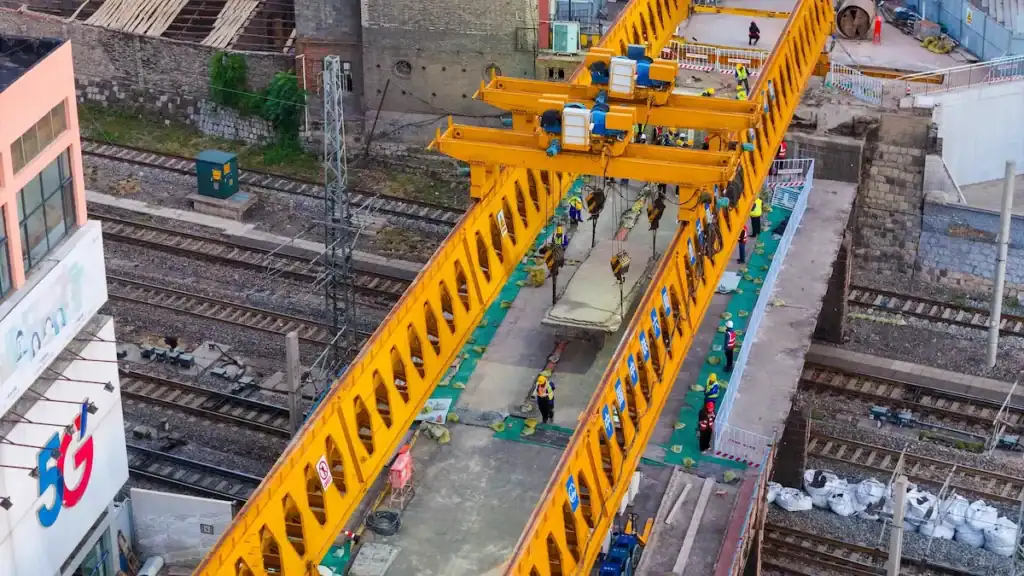
Electrical and drive system data
Electrical and drive system problems often do not appear suddenly. Motor current rises slowly, frequency converters occasionally alarm, and temperatures run a few degrees high. If nobody watches these signs, they can become downtime. A common site issue is that people check alarms but ignore prior trends.
Recommended monitoring:
- Motor current, voltage, and power: Focus on trends and comparisons under the same conditions, not just limits.
- Motor temperature and frequency converter status: Review temperature changes together with ambient temperature for better judgment.
- Speed changes in lifting and travel mechanisms: Speed fluctuations can sometimes reflect mechanical resistance or control parameter changes.
- Electrical alarms and fault codes: Do not just clear alarms. Keep occurrence time, working condition, and repeat counts.
Manage this data through two lines: alarms and trends. Alarms support timely response, while trends support early judgment. Viewing them separately can reduce missed signals.
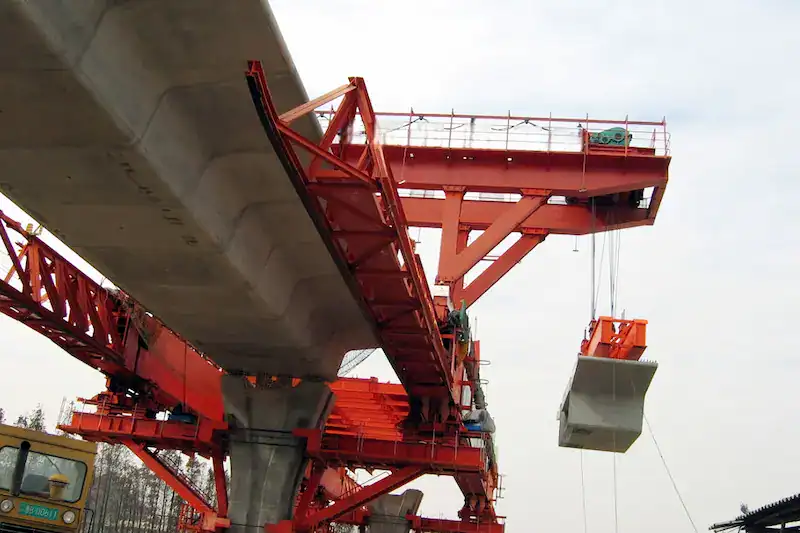
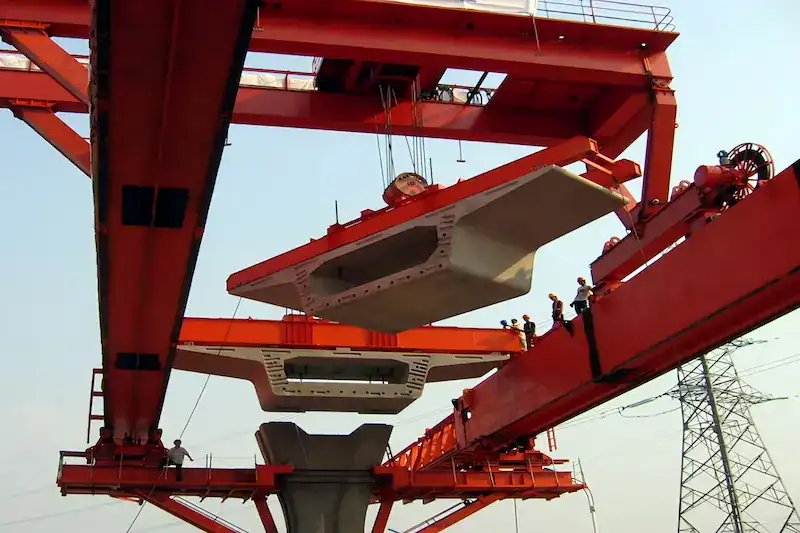
Mechanical structure and operating condition data
Mechanical structure data is closer to component health status. It also most needs support from manual inspection. Sensors can show high bearing temperature, but the cause often needs site inspection.
Key monitoring points:
- Bearing temperature and vibration changes: These suit trend analysis, and single readings have limited value.
- Abnormal states of wheels, rails, and drives: Judge them together with operating records and inspection results.
- Brake response time and braking status: Brakes are safety-related components. Changes in response time deserve attention.
- Wear of wire ropes, pulleys, and drums: Data alone is not enough for these parts. Regular manual inspection remains necessary.
In real projects, we prefer turning this data into anomaly alerts, not direct conclusions. If bearing temperature exceeds its baseline for several days, arrange an inspection first. Do not wait for an alarm. This avoids excessive site disruption and reduces missed early signs.
Overall, these four data types are not isolated. Operating time and cycle counts explain how tired the equipment is. Load data explains how heavy the work is. Electrical data shows whether the drive system runs smoothly. Mechanical condition data shows whether components are degrading. Linking these lines first provides a basis for bridge construction equipment fault identification and maintenance planning.
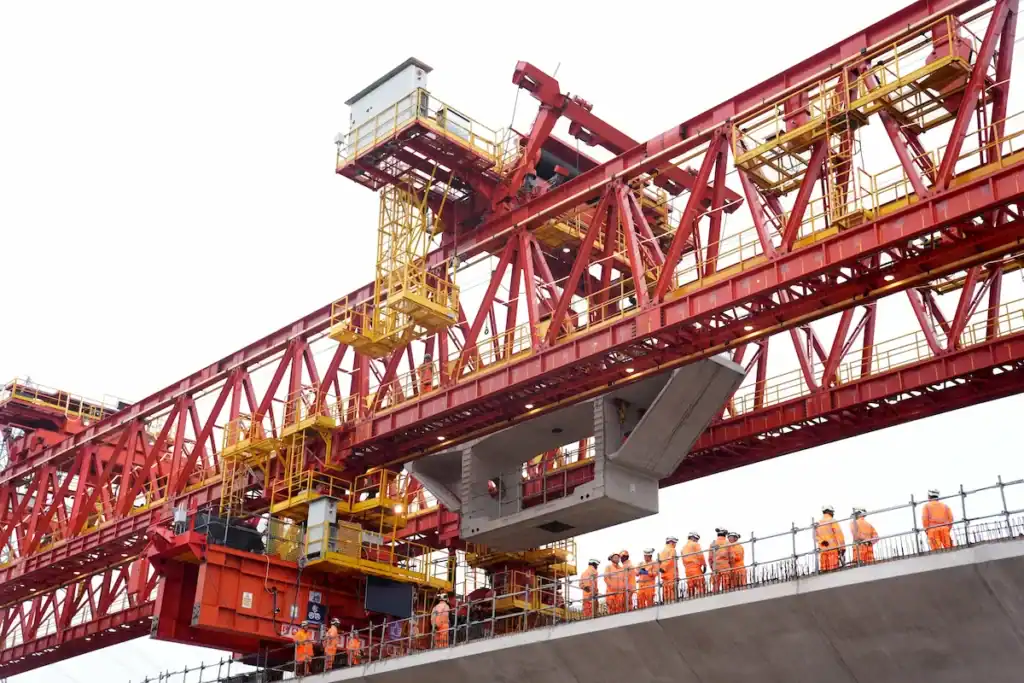
How can operational data help identify potential faults in bridge construction equipment early?
Operational data does not directly tell you which component is about to fail. Compare data under specific working conditions. Below are common identification methods for equipos para la construcción de puentes. They are practical, not complex algorithms.
- Identify lifting mechanism abnormalities through load changes: Under the same lifting condition, rising current or load fluctuation and irregular speed drops near rated load warrant checks of ropes, drums, and brakes. Long-term high utilization matters, not only overload. Repeated shifts are more useful than one event. Single events rarely justify action.
- Identify mechanical wear through temperature and vibration changes: Use bearing temperature and vibration trends, not single readings. Single readings have limited value. If temperature stays above the same-condition baseline for days without an alarm, check lubrication. Review temperature, vibration, and operating hours together; consider ambient temperature to avoid summer-winter misjudgment.
- Identify safety risks through brake and operation records: Longer brake response, concentrated braking, and more frequent starts and stops together are stronger signals than one alarm. If a launching gantry’s travel-brake switching response lengthens, inspect brake clearance and wear on site instead of dismissing it as habit.
- Predict recurring problems through historical fault records: Match fault records with operating data at that time. Repeated same-type faults often mean unresolved root causes or maintenance strategy gaps. If a frequency converter repeatedly reports one code during high temperatures and after heavy loads, add cooling checks and high-temperature operation arrangements.
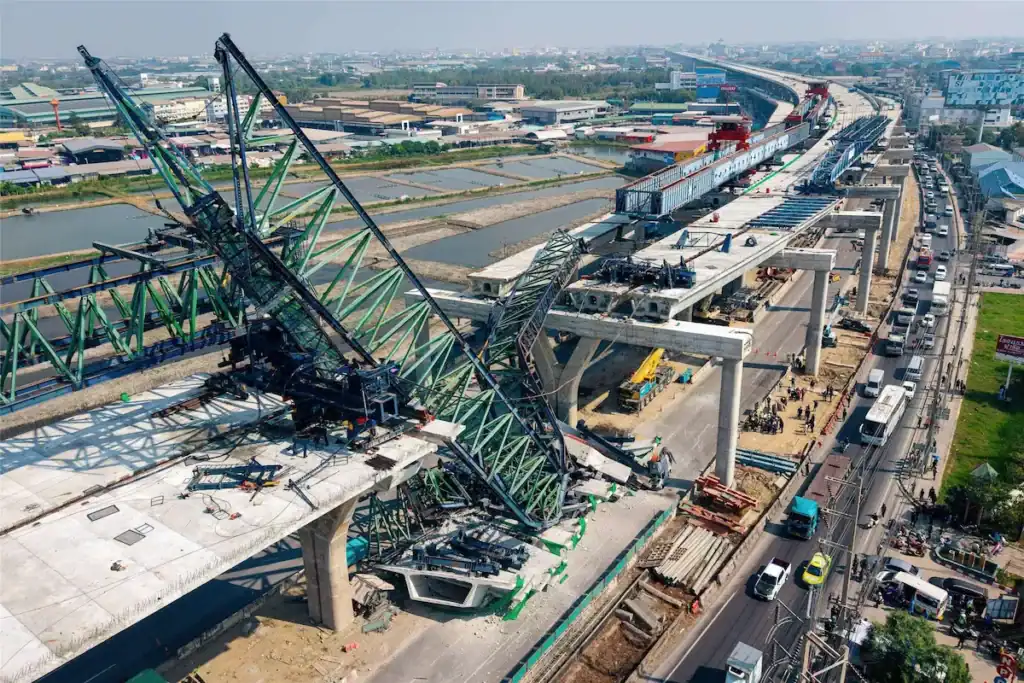
How can equipment operating data be turned into a more reasonable maintenance plan?
Data exists and anomalies are identified. The worst outcome is an analysis report left in a drawer. Turn data into maintenance plans through four actions below. The table shows practices and field pitfalls.
| Key action | What to do | Field pitfalls |
| Establish an operating data baseline | Record normal load, temperature, vibration, and brake response early. Form a baseline for specific working conditions. Do not build it once only. Update it after condition changes or relocation to avoid distorted comparisons. | Baselines that are never updated can mislead later comparisons. |
| Adjust maintenance intervals by abnormal trends | Review temperature, vibration, load fluctuation, and alarm frequency trends. Shorten inspection intervals for clear abnormalities and extend them when stable. Keep adjustment records and reasons; avoid decisions by feeling. Pilot key components first, then expand. | Adjustments without records or evidence are hard to sustain. |
| Set maintenance priorities for key components | Rank components by safety, downtime, and cost impact. Use data to prioritize monitoring, spare parts, and inspections. Rank safety-related ropes, brakes, and drums by risk, not price. | Ranking only by price can miss safety-related risks. |
| Build data tracking and maintenance feedback | Record results after maintenance and compare them with earlier abnormal data. Verify judgments and improve monitoring indicators and strategies. This step is often skipped. Without feedback, analysis and maintenance plans stay separate and unused. | Skipping feedback separates analysis from maintenance practice. |
Ultimately, maintenance planning is not just shortening the interval table. Data links when to check, where to check first, and how to give feedback. Start with one or two key components and expand later; this is more stable.
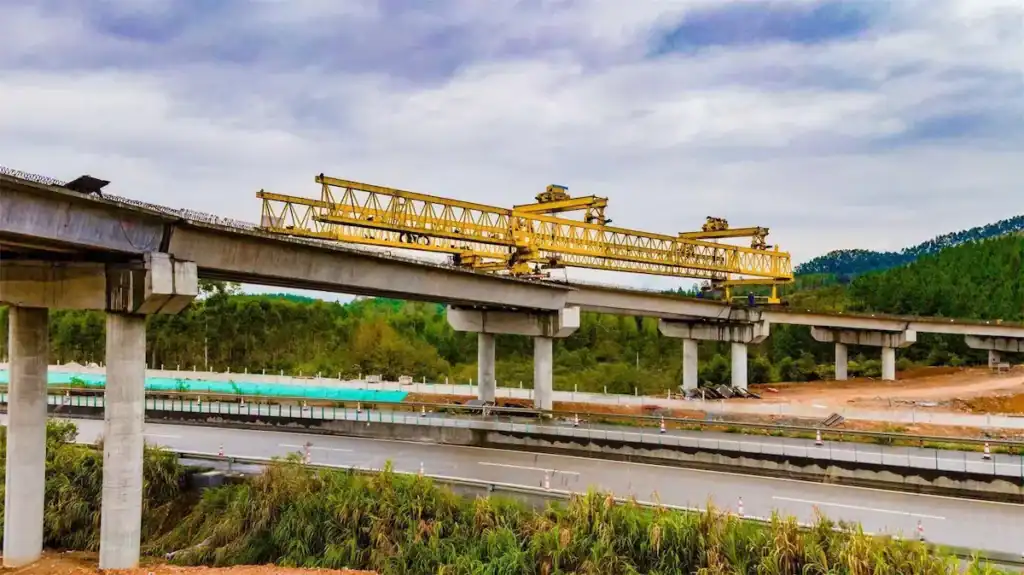
How does Puente HS improve operational reliability of bridge construction equipment through equipment design?
Reliability of bridge construction equipment partly depends on maintenance. Much is decided in design and manufacturing. Puente HS applies standards during design, not after site arrival.
- Launcher stable structure and safety configuration: During span passing, beam feeding, and lowering, stiffness and anti-overturning capacity affect safety. HSBRIDGE verifies launcher structures against EN 13001-1:2004+A1:2009 Chapter 4 principles. These prevent rigid body instability, strength exceedance, and elastic instability. Design checks follow EN 13001-3-1:2025 Chapters 4–8 for steel limit states, including yielding, fatigue, and buckling. Mechanism duty classes follow ISO 4301-1:2016 logic and actual work cycles. This avoids light-duty design with heavy-duty use.
- Transporter hydraulics and multi-axis steering: Yard and bridge-deck conditions differ greatly for beam transporters. Hydraulic suspension load balance and steering coordination are key. HSBRIDGE references FEM 1.001 (1998) for hoisting power and torque. It checks steering and suspension loads on curves and slopes. These checks use EN 13001-2 load combinations.
- Lifting machine heavy-load operation and electrical control: Beam lifting machines are heavy-load and high-frequency equipment. HSBRIDGE configures control, protection, and safety circuits under EN 60204-32. These include overload limits, travel limits, and emergency stops. Duty classes follow FEM 9.511 load spectra and equivalent time. This prevents premature brake and drive replacement from undersized selection.
- Customized solutions by project conditions: Standards set the baseline; working conditions are variables. HSBRIDGE obtains span, slope, curve, wind, and power inputs early. It adjusts structural parameters, duty classes, and safety configurations. The Pakistan project shows this directly. A 4% slope, 600 m curve, and monsoon conditions exceed a generic catalog.
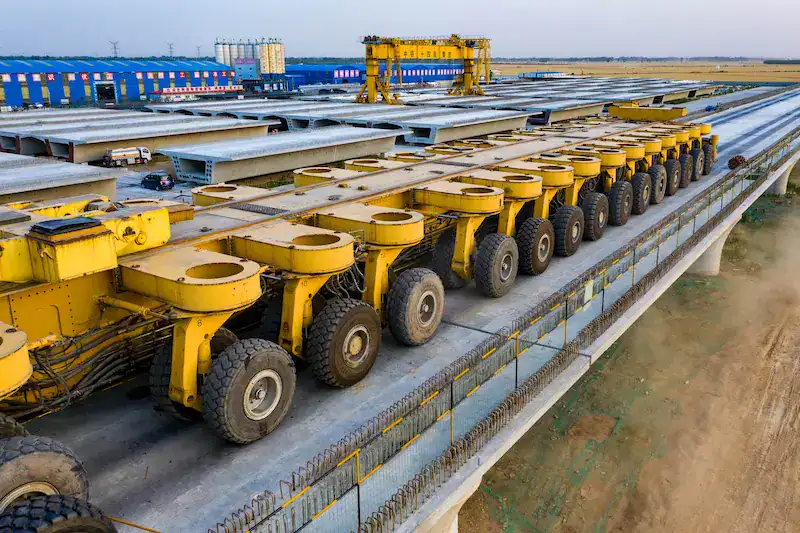
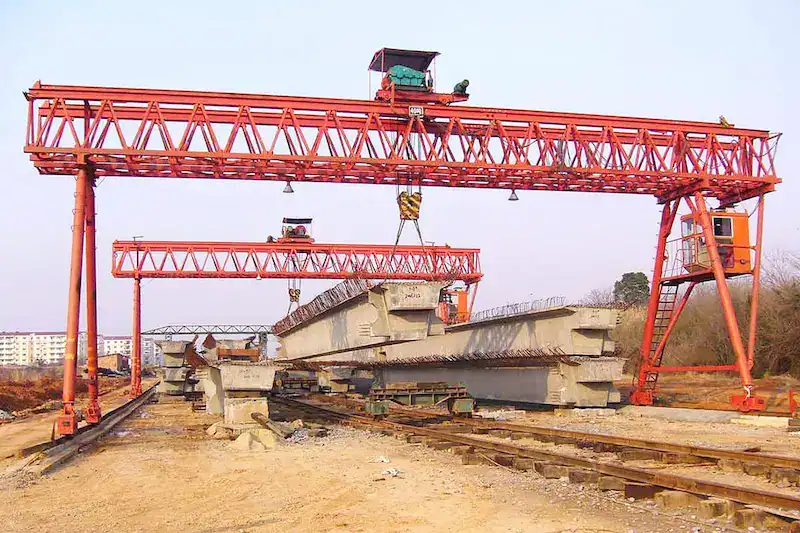
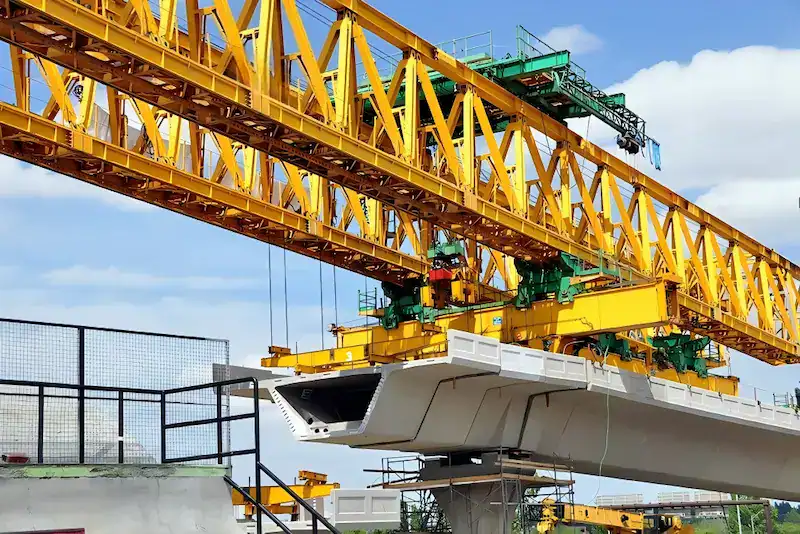
Puente HS classic project cases for heavy bridge construction equipment
Pakistan 50M/220T launcher project: operational stability in complex slopes and curves
- Customer and project background: This project supports a key Pakistan highway bridge for a large local road contractor. Conditions include long-span precast beam erection, about 4% longitudinal slope, and curve radius no less than 600 m. South Asian heat and monsoon gusts demand strong anti-overturning stability and reliable travel correction.
- Equipment configuration and core technology: HSBRIDGE customized a 50M/220T launcher: 220-ton capacity, 50 m span. A double guide beam structure improves stiffness and anti-overturning stability during span passing. VFD lifting/travel control (0–3 m/min) avoids sudden shear impact during lowering and fine movement. Angle-adjustable transverse systems on middle and front legs correct curved paths and reduce rail adjustment. Level 11 wind resistance, rail clamps, hydraulic anchoring, and anti-overturning switches suit unmanned monsoon site conditions.
- Project testing and quantified results: After assembly, the launcher completed a 50 m simulated span crossing and static/dynamic tests at 1.1 times overload (242 tons). The main girder showed no structural deformation. Hydraulic legs worked normally under 4% slope compensation. All indicators passed the local engineer’s site inspection in one go before handover.
- Data analysis entry points: Representative records include lifting speed deviation under heavy and empty conditions, travel speed fluctuation on curves, hydraulic leg pressure compensation, and brake response during frequent span passing and beam lowering. These form a complex-terrain baseline for similar projects. Leg pressure and brake records across slope-change and non-change sections explain more than total machine operating hours.
Malaysia 200-ton beam lifting machine project: modular design and installation commissioning
- Customer and project background: This Malaysian project serves a local precast beam bridge builder, a Southeast Asian precast producer. It requires 200-ton capacity, 32 m maximum erection span, and efficient site assembly after segmented transport. HSBRIDGE’s local Malaysian resources support coordination and delivery milestones. Site conditions include heat and monsoon gusts, demanding stability and correction.
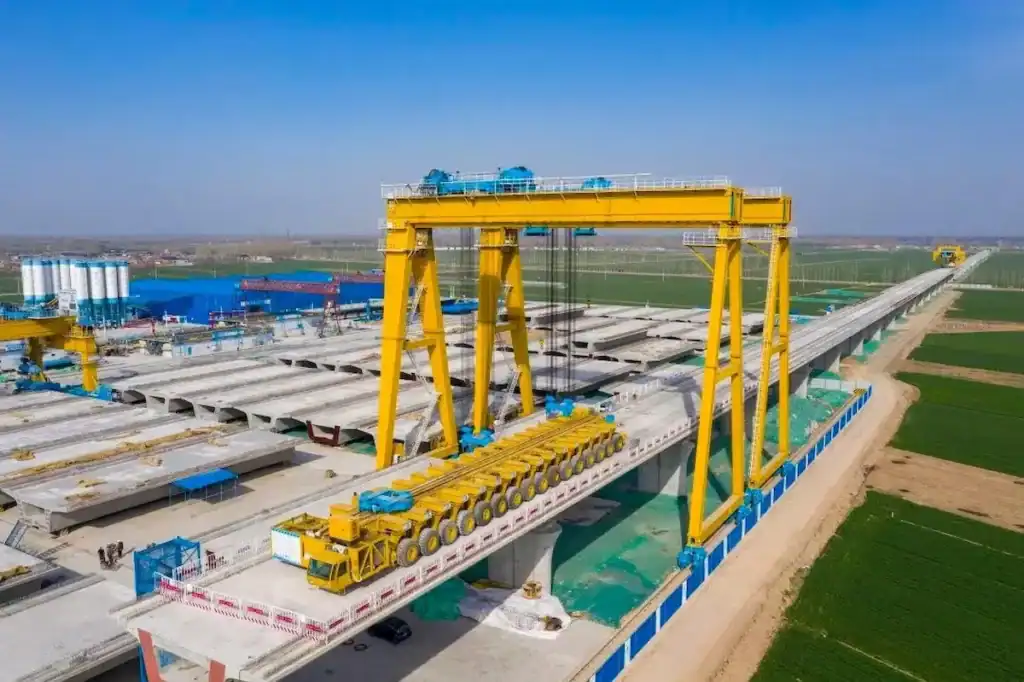
- Equipment configuration and modular design: The 200-ton beam lifting gantry crane uses a modular structure; main parts ship in sections, reducing road and lifting restrictions. Independent electric steering supports longitudinal, transverse, axle-rotation, and 360° center-rotation modes for narrow yard passages and precise positioning. Each end has four independent suspended travel units (16 wheels total). They automatically level the main girder and ensure uniform load distribution. The modular arrangement also shortens site assembly and reduces lifting-condition constraints.
- Installation commissioning and operating baseline establishment: After arrival, no-load trial operation and linked system checks were completed; travel, lifting, steering, and braking ran stably. Initial records include no-load current and speed curves. They cover suspension pressure distribution across wheel groups and brake response at low and high speeds. They also cover hydraulic pressure peaks during steering-mode switching. These form a zero-kilometer baseline for the yard layout and beam weight. Later monitoring can compare lifting current, suspension pressure uniformity, and brake response under the same cycle. This avoids waiting for alarms or faults to judge condition changes. These records give a clear anchor for periodic assessment.
How to establish a long-term effective data maintenance system for bridge construction equipment?
| Key action | What to do | Common field oversight |
| Establish a full lifecycle data archive for equipment | Archive by equipment ID from factory parameters and commissioning records to operation, maintenance, faults, and part replacements. Update it promptly after relocation or modification. | Do not keep only paper files or scattered chat records. If you cannot find it later, it does not exist. |
| Combine real-time monitoring with manual inspection | Sensors track trends, and manual inspections confirm conditions. Alarms or abnormal trends trigger targeted checks. Both records must match each other. | The biggest risk is monitoring and inspection keeping separate records. That creates two disconnected systems. |
| Continuously optimize equipment maintenance strategy | Regularly review abnormal data and maintenance results. Adjust inspection intervals, spare parts plans, and component priorities. Pilot key components first. | A maintenance plan unchanged for a year is risky. Strategies must follow working condition changes. |
| Maintain technical communication with the equipment manufacturer | Feed abnormal trends, fault codes, and part replacements back to the manufacturer. Obtain parameter explanations and design advice. Discuss major modifications before starting them. | Do not wait for major problems to contact them. Routine feedback is often more useful. |
This system shows little effect in the short term. After one or two project cycles, bridge construction equipment archives, monitoring data, and maintenance records can confirm each other. The worst approach is turning it into a paperwork project. The forms look perfect, but site checks still depend on feeling. The value of a data maintenance system is not complete records. It is finding usable evidence for each maintenance decision.
Conclusión
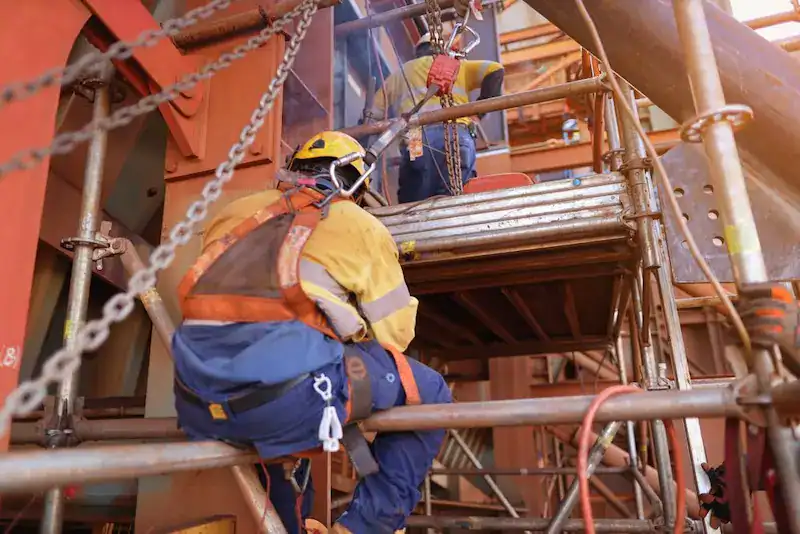
Looking back, fault prevention for bridge construction equipment has few black technologies. Operating time, load, electrical, and mechanical condition data are already generated on site. Many projects simply do not connect them. Three things are truly difficult. Is the baseline correct? Does anyone review abnormal trends? Can maintenance plans follow after review? Get these three working, even starting with one launcher or one key component. That is more practical than many sensors without analysis. A data maintenance system is not for inspections. It reduces equipment downtime and sudden repairs.
Choosing the right bridge construction equipment is essential for stable and efficient project operations.
HSBRIDGE provides customized beam launchers, bridge erection gantry cranes, and girder transporters designed around lifting capacity, span, duty cycle, and site conditions. Contact our engineering team to discuss the right equipment configuration for your project.
[Get a Customized Crane Solution]
Further reading
Earlier discussions about operational data and maintenance strategy assume reasonable equipment duty classes and structural design. CE, ISO 4301, and FEM 9.511 correspond in ways that confuse selection. We wrote a separate guide: “Bridge Equipment Certification Guide: A Complete Guide to CE, ISO and FEM Standards”. It explains each item for reference.
Read “Guía de certificación de equipos para puentes: Una guía completa de las normas CE, ISO y FEM.”.
Preguntas frecuentes
Q1: Is data monitoring too costly for projects with few machines?
Not necessarily. Start with key components. Monitor lifting load and brake records first. Use data from existing control systems. Clarify what to watch and who reviews it. Then decide whether to add hardware.
Q2: Can old equipment without data ports still support operational data analysis?
Yes, but use a realistic approach. Add independent sensors or record key conditions manually. Focus on load, braking, and temperature. These are easy to collect and reveal key issues. The goal is safety and overhaul signals, not complete data.
Q3: How often should bridge construction equipment operating data be analyzed?
It depends on use. Check safety indicators such as brake response and overload records every shift. Compare temperature and vibration trends weekly. Review load structure and maintenance intervals monthly. Keep a fixed rhythm with named owners. Do not wait for problems.
Q4: What if sensor data is inaccurate or alarms are too frequent?
This is common. Check baseline settings and alarm thresholds against actual conditions first. Reduce false alarms before adding measurement points. Classify alarms by severity. Not every anomaly requires shutdown. Site teams must be willing to use the system.
Q5: What support can HSBRIDGE provide for data maintenance systems?
We help define key monitoring indicators and baseline records. We also support maintenance feedback processes. For new equipment, we organize initial data during commissioning. For existing equipment, we suggest strategy adjustments based on records. Scope depends on equipment status and project conditions.
Este documento es solo para referencia. Las operaciones específicas deben cumplir estrictamente con las leyes y regulaciones locales y los manuales de los equipos.

Obtenga asesoramiento experto para su proyecto de puente.
Nuestro equipo de ingeniería cuenta con décadas de experiencia en maquinaria para la construcción de puentes. Permítanos ayudarle a encontrar la solución adecuada.