 EN_US
EN_US  Español
  Русский
  العربية
  Português do Brasil
  Francés
  Bahasa Indonesia
  Turco
Turco  Tiếng Việt
  Bahasa Melayu
  Ucraniano
 Información técnica
Información técnica
Chinese Bridge Equipment Manufacturer Credentials: How to Verify ISO/CE Certification?
Descripción general
Finding cost-effective and skilled Chinese bridge equipment manufacturers is routine for many overseas contractors. Supplier numbers are constantly rising in the market. You will receive many ISO or CE certificate photos during initial chats. But just glancing at the pictures is definitely not enough. An unverified certificate might hide fatal issues like mismatched scope, invalid status, or forgery. This pushes million-dollar bridge equipment procurement projects into safety abysses. This article is your guide to avoiding these traps. We will directly break down the core differences between ISO and CE. We will teach you how to strictly verify supplier qualifications through databases, DoC files, and standards.
Looking for Chinese bridge construction equipment manufacturers?
HSCRANE can provide product details, certification files, and technical plans. This is based on your equipment type, tonnage, span, and target market.
[Get Certification & Product Details]
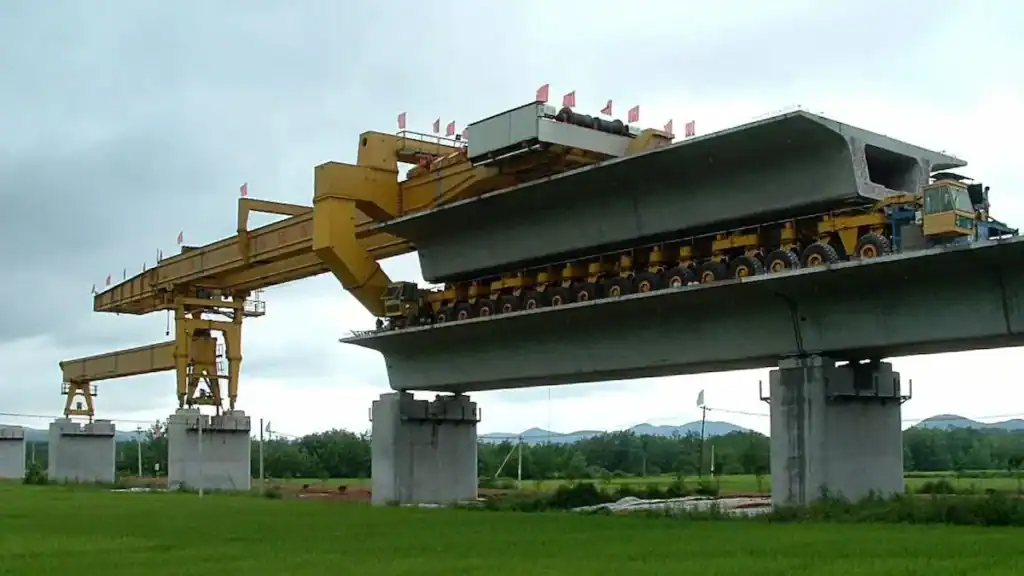
What do ISO and CE stand for?
When auditing Chinese bridge equipment suppliers, many overseas buyers fall into a trap. They see a certificate and think the factory’s products are absolutely safe. Actually, ISO and CE evaluate completely different dimensions. Understanding their underlying logic is your first step in qualification review.
What does ISO certification focus on?
Simply put, ISO does not directly score that specific bridge crane. It audits the management system behind making that machine.
- ISO 9001 Quality Management System: This is a global factory management benchmark. It proves the manufacturer relies on a standardized operation system, not just intuition.
- Enterprise quality management process: It focuses on whether factories ensure consistent quality for all batches. It checks if there are rules from raw material procurement to final delivery.
- Covering design, production, inspection, and continuous improvement: The certificate’s value lies in requiring a closed loop. How are drawings reviewed and welds tested? How are defective products traced and rectified? These are the core links ISO certification aims to regulate.
What does the CE mark mean?
If ISO is a health certificate for internal management. Then the CE mark is a passport for Chinese bridge equipment entering Europe.
- Mandatory compliance declaration: The CE mark shows compliance with EU health, safety, and environmental directives. Without it, equipment cannot clear customs or enter the EU market.
- Regulatory constraints for specific products: CE focuses on the specific bridge equipment itself. Will this launching gantry suffer structural failure during operation? Will the electrical system cause a fire? It directly links to design parameters, safety devices, and user manuals.
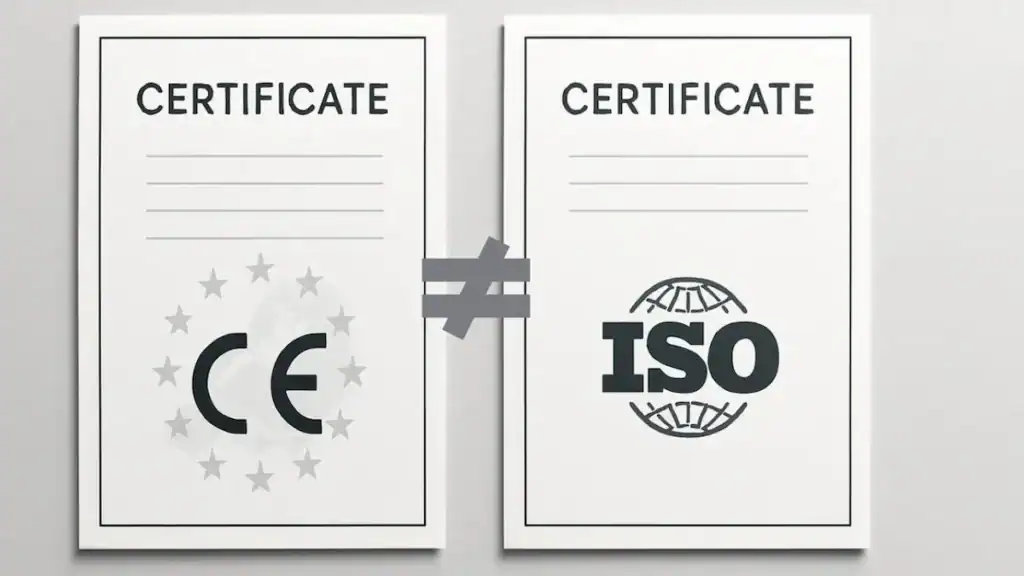
Core Comparison: ISO Certification ≠ CE Compliance
To make your document review clearer, we directly break down their core differences below.
| Artículo | ISO | CE |
| Core Object | Management system (how the factory runs). | Product compliance (whether the equipment is safe). |
| Focus | Stability of enterprise management and quality systems. | Product safety and related EU regulation requirements. |
| Equals Product Certification? | Not exactly equal. ISO approval doesn’t mean flawless equipment. | Not a simple unified certificate. It implies final compliance actions. |
| Verification Focus | Certificate basics, scope, issuer qualifications, and valid status. | DoC, applicable standards, TCF, and physical nameplates. |
How to verify the ISO certification of Chinese bridge equipment manufacturers?
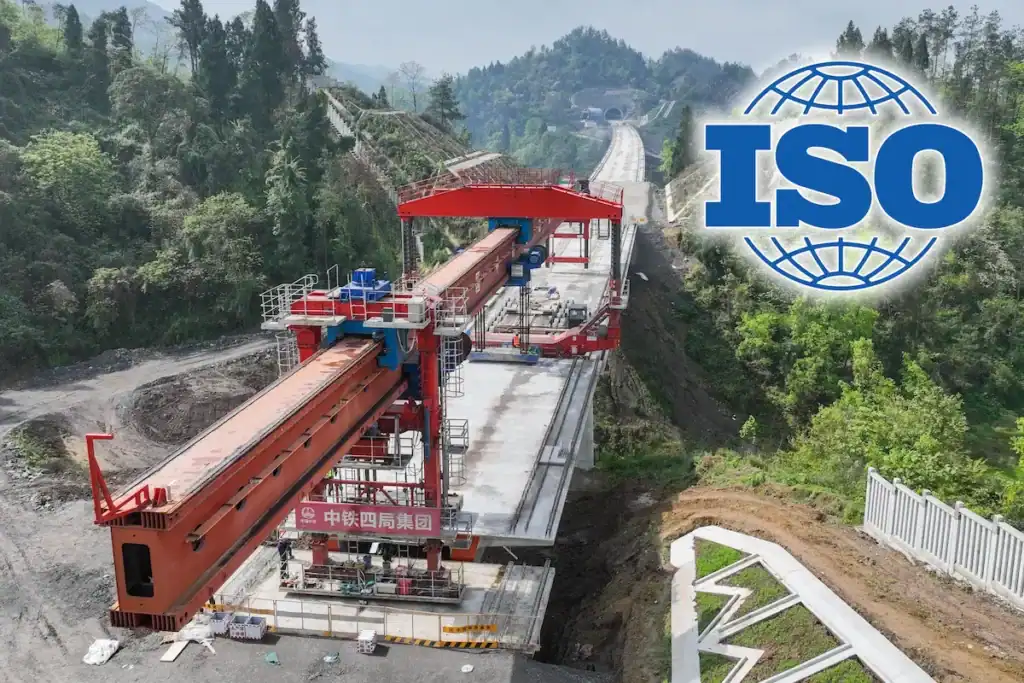
Do not just glance at the large ISO logo on PDF certificate scans from suppliers. Experienced buyers usually use the following five steps to reveal the true background of Chinese bridge equipment suppliers:
- Confirm the legal company name against the business license: Chinese companies often use English names in external communication. However, legal validity is based on Chinese. You must check if the certificate’s English name matches their official Chinese entity. Beware of trading companies using certificates from partner factories fraudulently.
- Check basic ISO certificate information: Focus on scanning the issuance date and validity period. Is the certificate about to expire? Who is the issuing agency? Certificates from renowned international or authoritative Chinese agencies have high credibility. Examples include SGS, TÜV, BV, and CQC. They are better than unheard-of low-cost issuing agencies.
- Cross-check through third-party databases: Do not just listen to one-sided stories from Chinese bridge equipment suppliers. For ISO certificates from local Chinese agencies, visit the official CNCA website. Enter the enterprise name or certificate number for one-click verification. This is the most direct method to identify forgeries.
- Confirm certification status: When querying the database, check both certificate existence and current status. A status of Suspended or Revoked usually implies serious violations or management decline during recent audits.
- Check if the certification scope truly matches the bridge equipment business: Many suppliers have ISO certificates, but their scope might only state processing of steel structures. If you are purchasing high-tech 900T launching gantries, their scope must include bridge lifting equipment design. Deceptive qualifications offer no guarantee. You must ensure the scope highly matches your actual procurement project.
How to verify the CE compliance information of Chinese bridge equipment manufacturers?
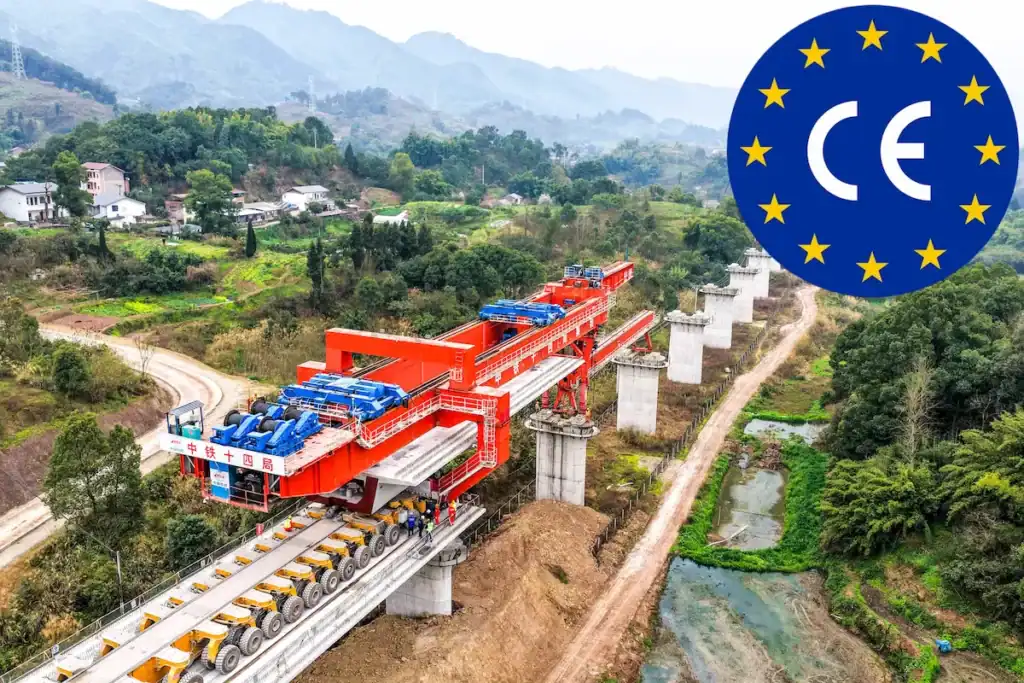
Many buyers are misled by attractive CE certificates from suppliers. In the EU system, the key legal document is the Declaration of Conformity (DoC) signed by the manufacturer. Verify CE compliance through these five dimensions:
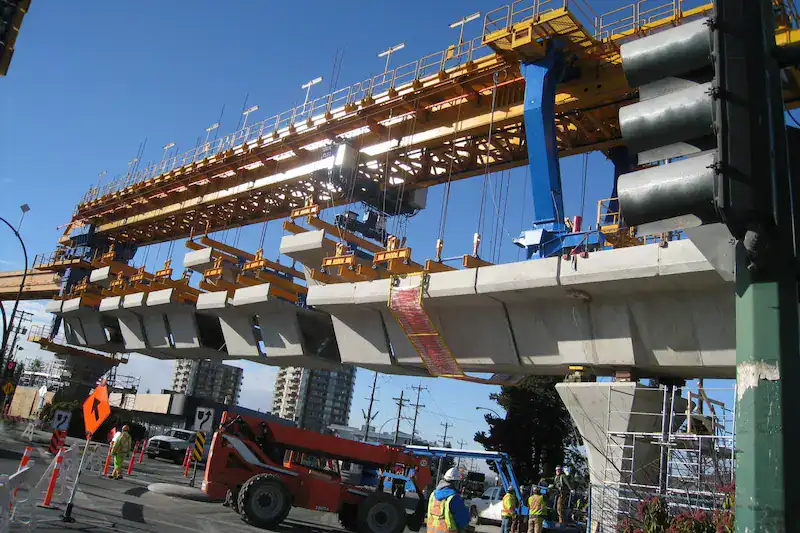
- Confirm if the equipment falls under CE regulations: Identify applicable rules first. Launching gantries mainly fall under Machinery Directive 2006/42/EC, while electrical systems may also involve the Low Voltage and Electromagnetic Compatibility Directives.
- Verify the CE mark and equipment nameplate: Request clear photos of exported equipment nameplates. They should show a correctly proportioned CE mark, manufacturer details, model, serial number, production year, and key technical parameters. Avoid incomplete or low-quality labels.
- Check the EU/EC Declaration of Conformity (DoC): The DoC is central to CE compliance. Request a document signed by the manufacturer or authorized EU representative. It should include equipment details, applicable directives, signer’s name and title, location, and date.
- Verify applicable standards and technical files: Check the Harmonized Standards listed on the DoC. For bridge cranes, EN 13001 and EN 14439 may apply. Suppliers may not disclose the full Technical Construction File (TCF), but a TCF index can show that risk assessments and testing were completed.
- Confirm the true role of the Notified Body: NB involvement is required only for certain machinery categories. If a four-digit NB code appears beside the CE mark, verify it through the EU NANDO database to confirm the body’s authorization.
What else to verify for Chinese bridge equipment manufacturer qualifications?
Certificates are just the threshold. True strength is the real backing. Your project might cross oceans. You deliver customized bridge construction equipment weighing hundreds of tons. Any failure in manufacturing can cause project delays and huge fines. Beyond qualifications, you must check the supplier’s “muscle” against this table:
| Dimensión de evaluación | Core Checkpoints | Why is it crucial? |
| Product and Technical Capabilities | R&D team size, core design software mastery, and FEA report capability. | Bridge equipment is highly customized. Lacking mechanical calculation abilities is dangerous. Equipment easily deforms under extreme conditions. |
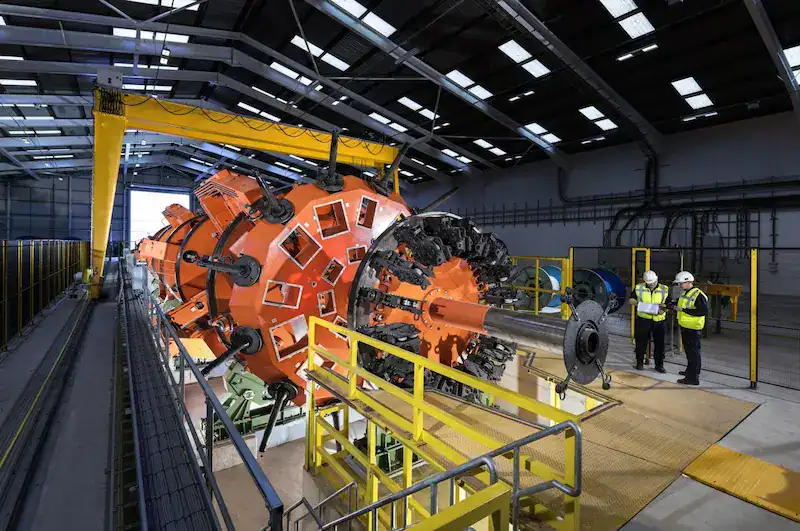
| Manufacturing and Processing | Actual plant area, crane capacity, large CNC boring machines, and heavy tools. | Beware of shell companies or assembly plants. You need large heavy-duty plants. You also need precision tools for assembly accuracy. |
| Factory Quality Management | International welder certifications (EN or AWS), NDT ratio and reports. Heavy-load test conditions. | Welds are the crane’s absolute lifeline. You must request UT or RT flaw detection reports. Also check for assembly test conditions. |
| International Project Experience | Export records of similar tonnage/span, multi-language manuals, overseas installation guidance. | Shipping equipment is just step one. Does the supplier know FEM/DIN standards? Can bilingual engineers guide on-site? This decides project acceptance. |
How to build a Chinese bridge equipment supplier qualification checklist?
Stuffing all these knowledge points into your head is a bad idea. Recalling them during Zoom meetings with Chinese bridge equipment suppliers is a disaster. Doing this during factory visits is equally terrible. Due diligence should rely on systematic tools, not memory. You will face foreign language certificates and factory sales pitches. You will also face complex technical parameters. We keep you clear-headed by extracting all the guides above. And combined the ISO traps, CE verification methods, and factory strength dimensions. We refined them all into a highly structured checklist table. Do this before sending your next inquiry or booking a factory inspection flight. Use this Checklist to filter out inferior players trying to muddle through.
[Get the Full “Chinese Bridge Equipment Supplier Qualification Audit Checklist”]
HSCRANE: How to evaluate bridge equipment manufacturers beyond certification?
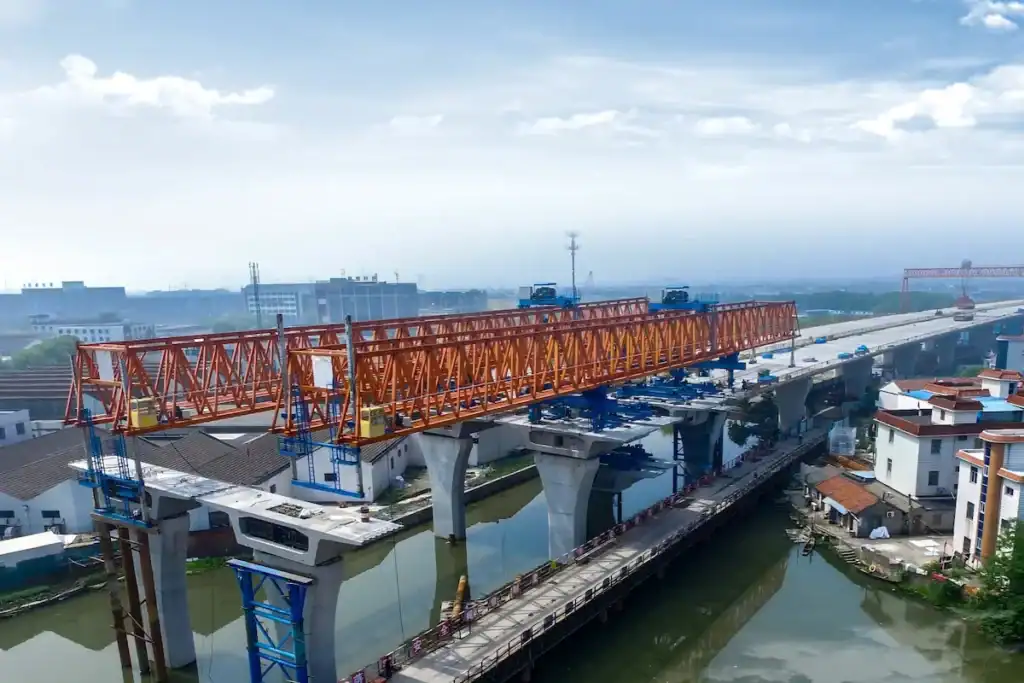
A certificate is just a transnational project ticket. True factory engineering strength carries the overseas load. Evaluating bridge equipment manufacturers requires looking beyond documents. You must examine their standards and manufacturing from an engineering perspective. GRÚA DE ALTA CALIDAD wins international contractors’ favor by focusing on these five dimensions:
- Focusing on bridge construction: Bridge equipment eccentric loads and dynamic impacts are extremely complex. We never copy general crane drawings. We strictly follow EN 13001-3-1 Section 5 for limit states design.
- Large tonnage customization: We face huge non-standard demands. We fully adopt FEM 1.001 standards. We conduct full-lifecycle FEA for different work levels. We keep main girder deflection under 1/800 at full load.
- Engineering design verification: Every drawing undergoes 3D simulation first. We deeply comply with ISO 4304:1987 anti-overturning rules. We clear potential safety hazards in our software in advance.
- Hardcore quality control: High-end equipment is not hammered out. Our steel structure quality control far exceeds ISO 9001. All critical welds pass 100% UT detection per EN ISO 17640:2018. Large CNC boring machines process critical holes for precise assembly.
- Global project delivery: We deliver a complete international standard ecosystem. Our electrical systems strictly follow EN 60204-32 safety standards. This leaves no technical barriers for overseas local engineers.
HSCRANE Classic Cases: Using Real Projects to Verify Chinese Bridge Equipment Manufacturers
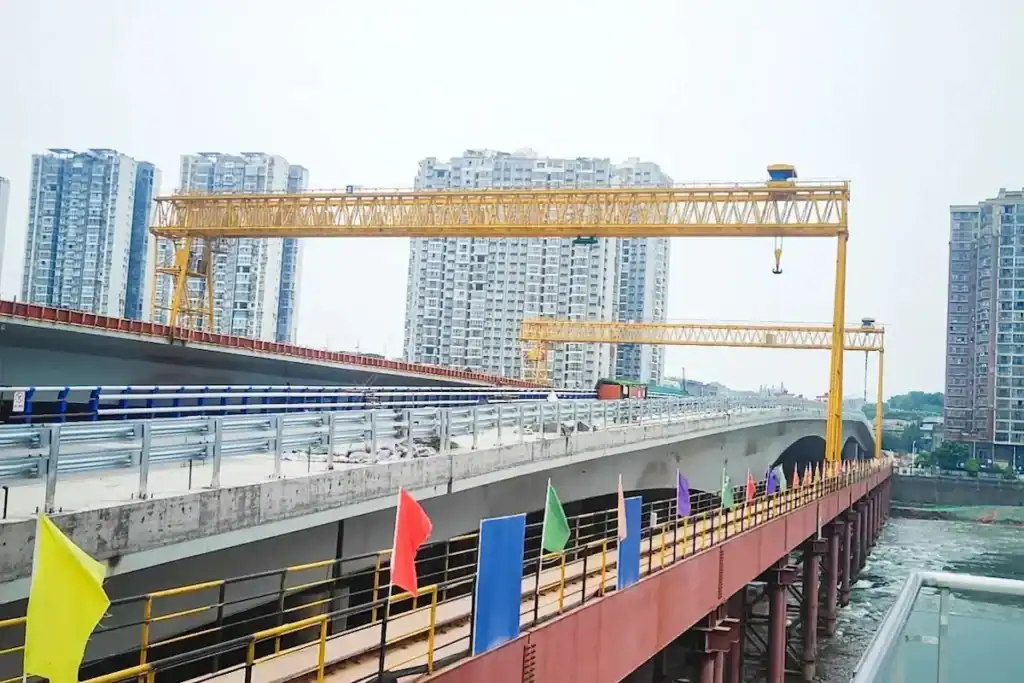
Bragging about technology is worse than showing actual performance. Heavy bridge construction equipment has extreme trial and error costs. True leaders use rising world-class landmark projects for endorsement. Below are some top international projects GRÚA DE ALTA CALIDAD deeply participated in and delivered. All quantitative data and customer information are fully traceable.
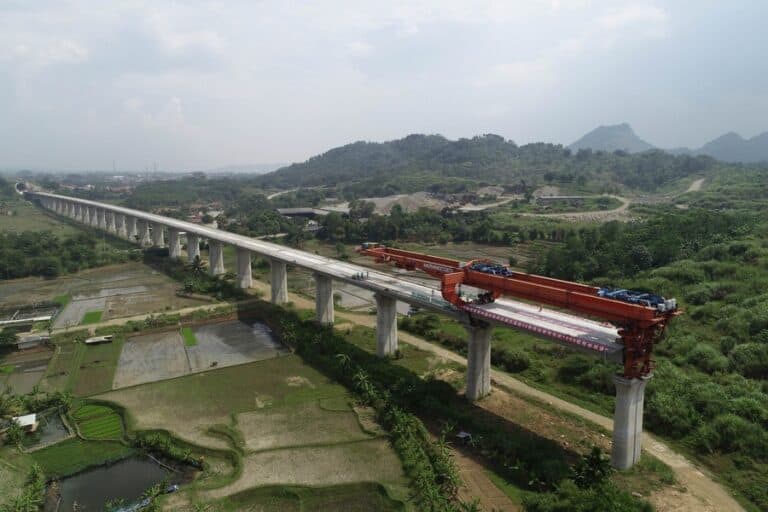
Case 1: Indonesia Jakarta-Bandung High-Speed Railway 900T Casting Yard Project
- Project Location: West Java Province, Indonesia.
- Project Type: High-standard railway (KCJB) precast yard and erection section.
- Clients: Consortiums like PowerChina and CREC.
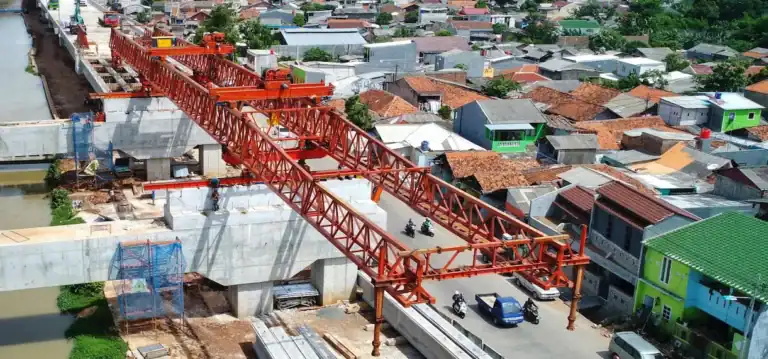
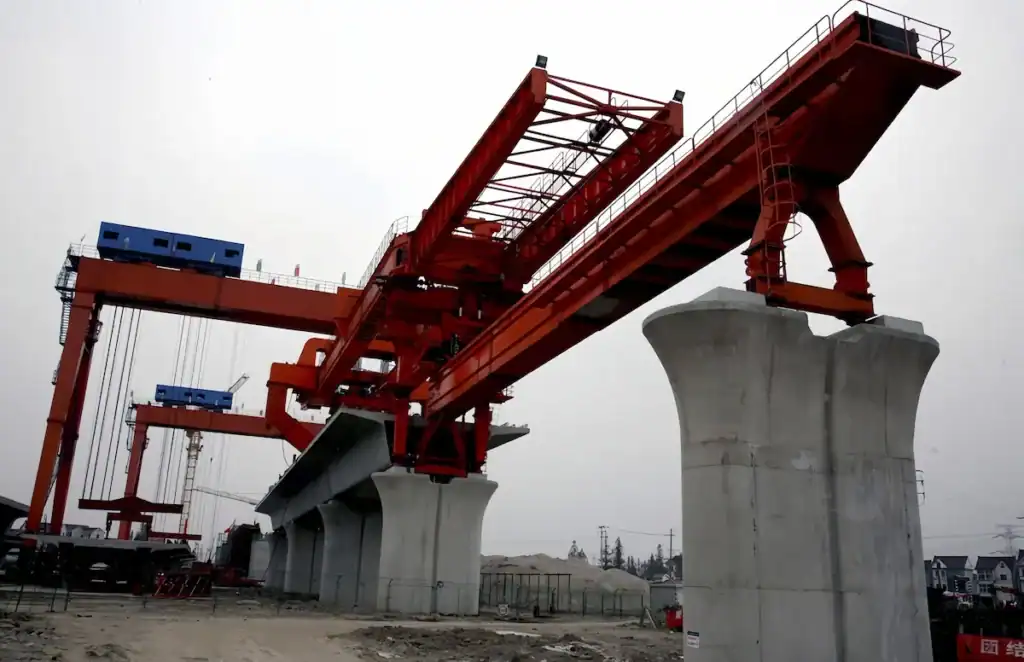
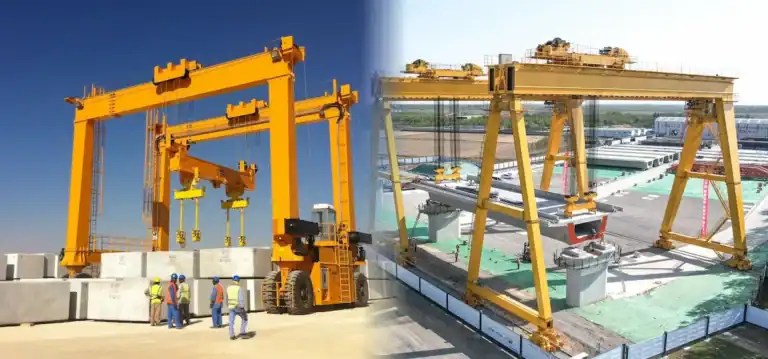
- Delivered Equipment: 900-ton tire straddle carriers and 900-ton launching gantries. It includes complete bridge construction lifting equipment.
- Challenges & Results: The whole railway line has a huge bridge proportion. Tropical Indonesia faces high heat, humidity, and strict earthquake demands. Delivered 900T straddle carriers work daily in muddy yards. They accurately and smoothly lift 900-ton, 32-meter box girders. The equipment passed strict seismic and wind-resistant design calculations. It ensured production progress with a zero failure rate. It withstood frequent extreme heavy-load field tests.
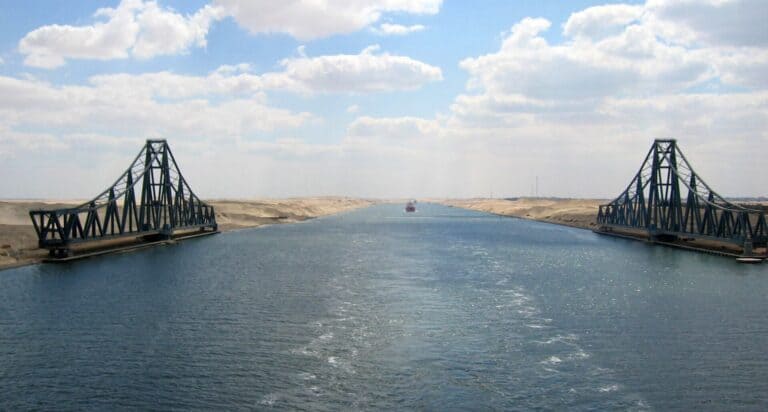
Case 2: Egypt New El Ferdan Railway Bridge Project
- Project Location: Suez Canal, Egypt.
- Project Type: The world’s largest double-track railway swing bridge. Its span is 340 meters.
- Clients: Egyptian Ministry of Transport and SRBG.
- Delivered Equipment: Large tonnage deck cranes and customized heavy gantry cranes.
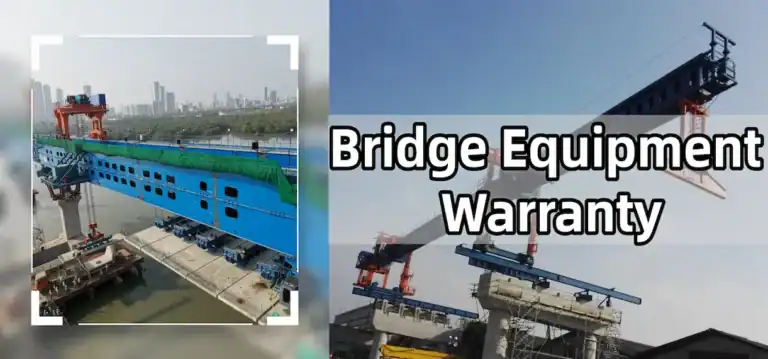
- Challenges & Results: The bridge spans the globally busy Suez Canal. Cantilever assembly occurs tens of meters high without ground support. Heavy steel parts easily suffer from canal wind shear. HSCRANE provided customized heavy lifting plans with the contractor. The equipment has high-precision frequency micro-control and windproof devices. This ensures millimeter-level precision closure of heavy steel girders. It perfectly safeguarded the completion of this world-class bridge.
Conclusión
Verifying Chinese bridge equipment manufacturers is not a certificate design contest. Concrete box girders weighing thousands of tons hang in mid-air. Fake CE declarations or invalid ISO certificates are dangerous. Unmatched scope documents can also cause project shutdowns. They can easily cause fatal engineering disasters. Overseas buyers must master the ability to penetrate paper documents. Check databases and verify DoC standard numbers. You must question the manufacturer’s finite element analysis capabilities. Real compliance is not a logo you can buy. It is muscle memory throughout design, material selection, and testing.
Looking for Chinese bridge equipment suppliers with international delivery capabilities?
Stop wasting energy on massive and confusing qualification documents. Start a hardcore technical dialogue with an experienced manufacturer. Give us your project conditions. Let data and past cases make the final decision.
[Contact HSCRANE for Exclusive Technical Solutions and Quotes]
Want to dig deeper into the design logic behind equipment?
Checking ISO and CE is just the first supply chain threshold. Want to know how these systems and FEM protect crane safety? Spend 5 minutes reading our underlying technical breakdown:
Lecturas recomendadas: [Guía de certificación de equipos para puentes: Una guía completa de las normas CE, ISO y FEM.]
Preguntas frecuentes
Q1: A Chinese bridge equipment manufacturer sent a CE certificate from a third-party testing company. Is it legally valid?
A: For most bridge cranes under the Machinery Directive, a third-party “CE Certificate” is usually voluntary. The legally binding document is the EU Declaration of Conformity (DoC) signed by the manufacturer.
Q2: Why do some Chinese bridge equipment suppliers provide only ISO 9001 certificates without CE marking?
A: ISO 9001 covers quality management systems. CE compliance is required for products entering the EU market. Suppliers without relevant export experience or compliant designs may not provide valid CE documents.
Q3: My project is outside Europe, such as South America or Southeast Asia. Do I still need CE qualifications?
A: CE is not mandatory outside the EU, but its standards are widely used as safety benchmarks. Requiring CE-based design and documentation can help assess supplier quality and reduce project risks.
Q4: How should CE certification and standards be handled for non-standard customized launching gantries?
A: Customized equipment cannot rely on general type tests. Manufacturers should apply relevant EN standards during design, prepare the Technical Construction File (TCF), and issue a project-specific DoC based on actual parameters.
Q5: Can HSCRANE accept overseas third-party factory audits before ordering?
A: Yes. HSCRANE supports third-party reviews of drawings, calculations, and quality records. We regularly cooperate with SGS, TÜV, and BV for Factory Acceptance Testing (FAT). Buyers may appoint independent experts for further inspections.
Este documento es solo para referencia. Las operaciones específicas deben cumplir estrictamente con las leyes y regulaciones locales y los manuales de los equipos.

Obtenga asesoramiento experto para su proyecto de puente.
Nuestro equipo de ingeniería cuenta con décadas de experiencia en maquinaria para la construcción de puentes. Permítanos ayudarle a encontrar la solución adecuada.
 Escanea para chatear