 EN_US
EN_US  Español
  Русский
  العربية
  Português do Brasil
  Français
  Bahasa Indonesia
  Türkçe
  Tiếng Việt
  Bahasa Melayu
  Українська
 Technical Insight
Technical Insight
Bridge Girder Erection Safety: Complete Guide & Risk Control
Overview
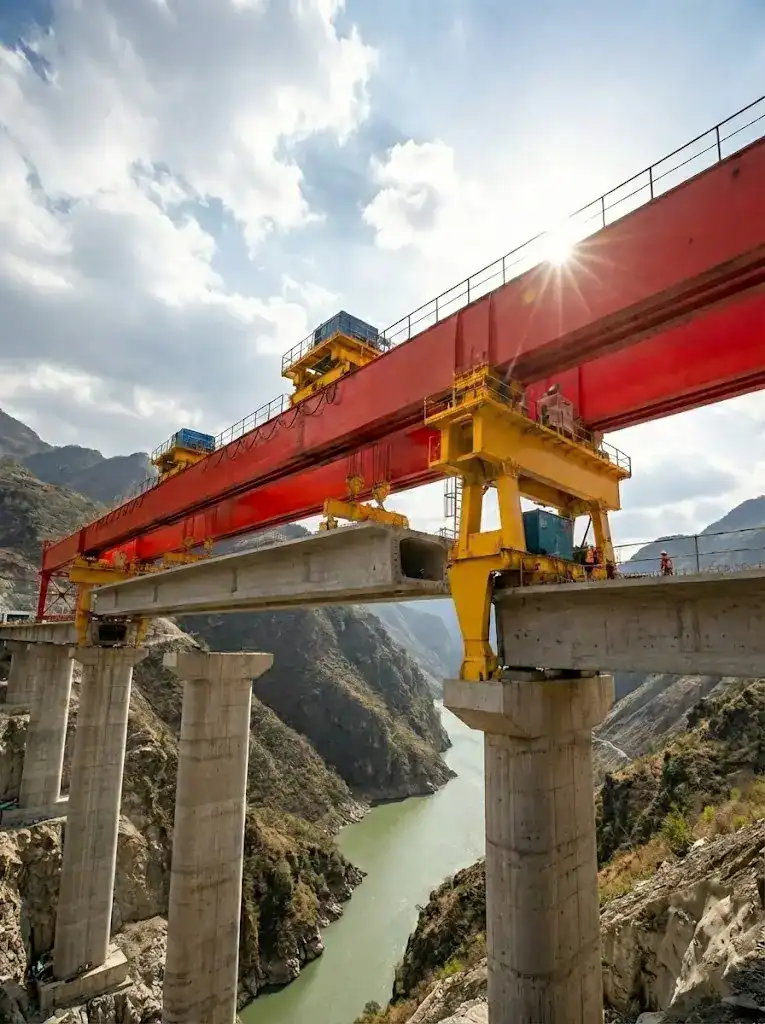
Bridge girder erection is one of the most high-risk phases in infrastructure construction. Operating hundreds of feet in the air with massive dynamic loads means there is zero margin for error. A single miscalculation in center of gravity, a sudden gust of wind, or a bridge launching gantry derailment can lead to catastrophic structural failure, project delays, and severe casualties. In this comprehensive engineering guide, we bypass generic safety advice and dive straight into the technical fail-safes and operational protocols required to secure your bridge construction site—from initial ground bearing assessments to intelligent load monitoring systems.
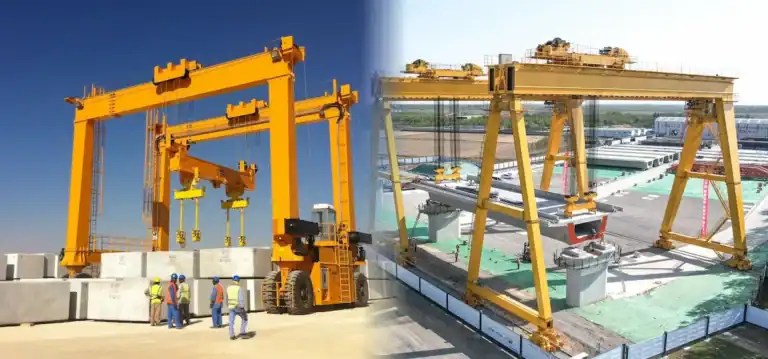
HSCRANE offers custom lifting solutions for complex conditions using high safety standards and precision control. We aim to minimize human error and equipment failure risks from the source. This article helps managers build standardized safety systems for bridge girder erection. We transition from traditional supervision to intelligent prevention using a bridge launching gantry. This ensures efficient project delivery while protecting personnel and equipment on-site.
Bridge girder erection is a critical process in bridge construction. It directly impacts structural precision and overall stability. Work often occurs at high altitudes involving heavy load lifting. A bridge launching gantry must deliver high performance during continuous operations. These tasks demand strict equipment requirements and skilled operations. Poor safety control leads to accidents like falls or instability. Such incidents cause delays and increase construction costs significantly. Systematic safety measures are essential to ensure project quality and efficiency.
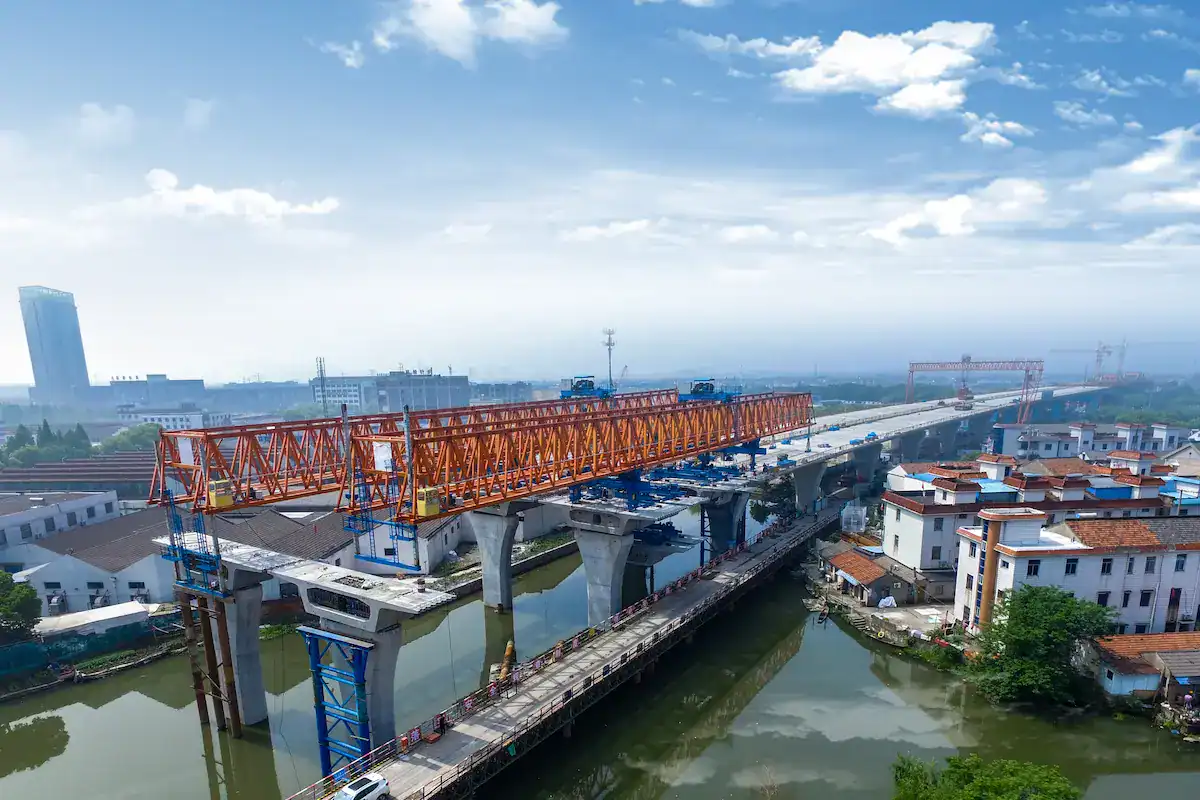
Main Safety Risks in Bridge Girder Erection
Bridge girder erection involves complex, dynamic, and linked risks. Site management must control these six core hazards.
Pre-construction Safety Control
Accidents often stem from design flaws rather than site errors.
- Simulation:Perform full process mechanics simulations for all bridge types. Verify structure stress and anti-overturning coefficients for the bridge launching gantry. This is critical during hole-passing and girder lifting.
- Foundation Assessment:Support points endure hundreds of tons. Conduct soil tests before work. Hardening (e.g., steel plates, concrete) prevents rail deviation or overturning due to settlement.
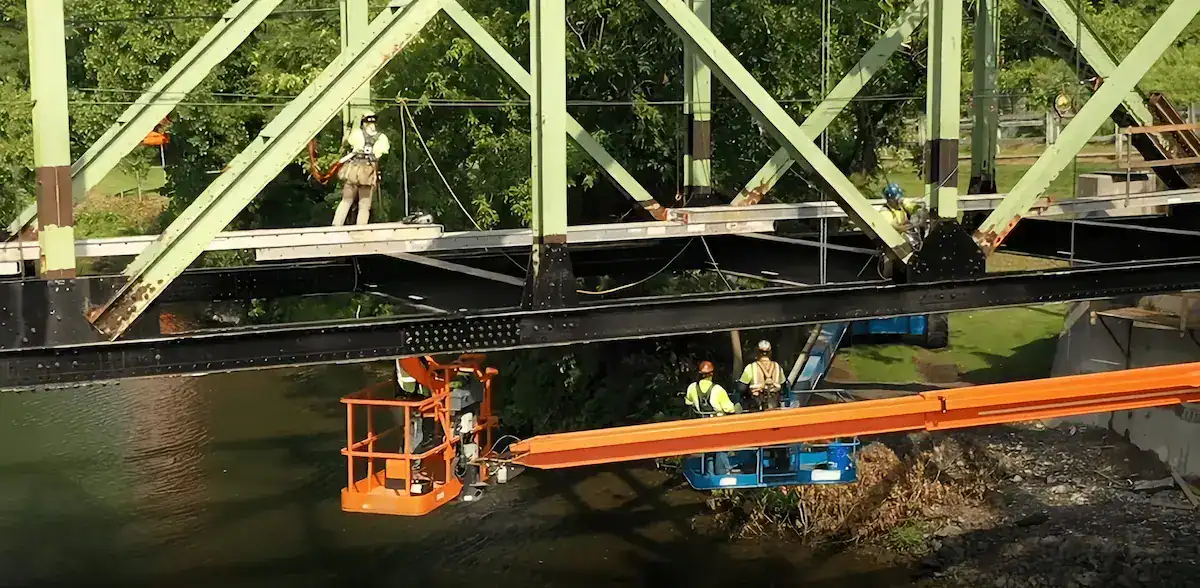
Height and Falling Risks
Bridge girder erection happens at great heights. Falls are the primary cause of fatalities.
- Personnel Falls:Hazards include incomplete edge protection, poor safety harness anchors, and slippery ladder systems.
- Component Falls:Beams can slip during storage, transport, or erection. Issues arise from offset binding points, failed slings, or lack of secondary safety measures.
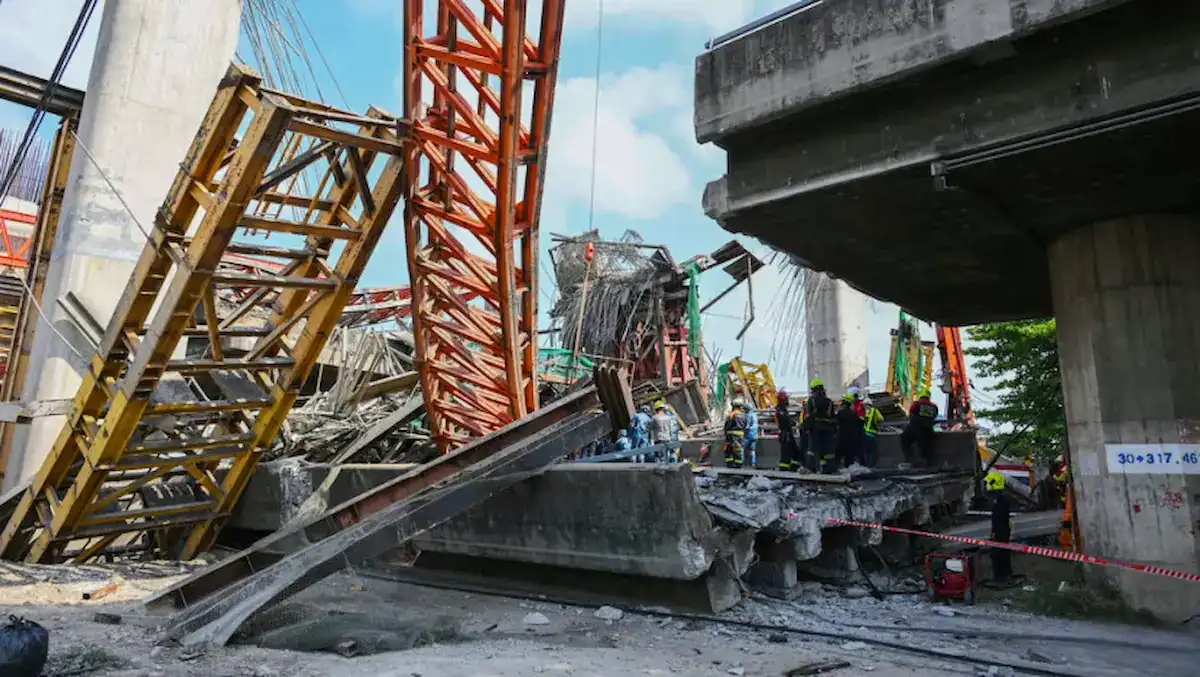
Lifting and Hoisting Risks
Lifting adds dynamic loads. Deviation from parameters causes accidents.
- Overloading:Failing to calculate total equipment capacity leads to dynamic load spikes, especially in complex conditions.
- Instability:Gravity center errors, uneven sling tension, or excessive inertia cause system tipping.
- Oscillation:Wind or acceleration inertia causes uncontrolled beam swaying. This may damage bridge piers or existing structures.
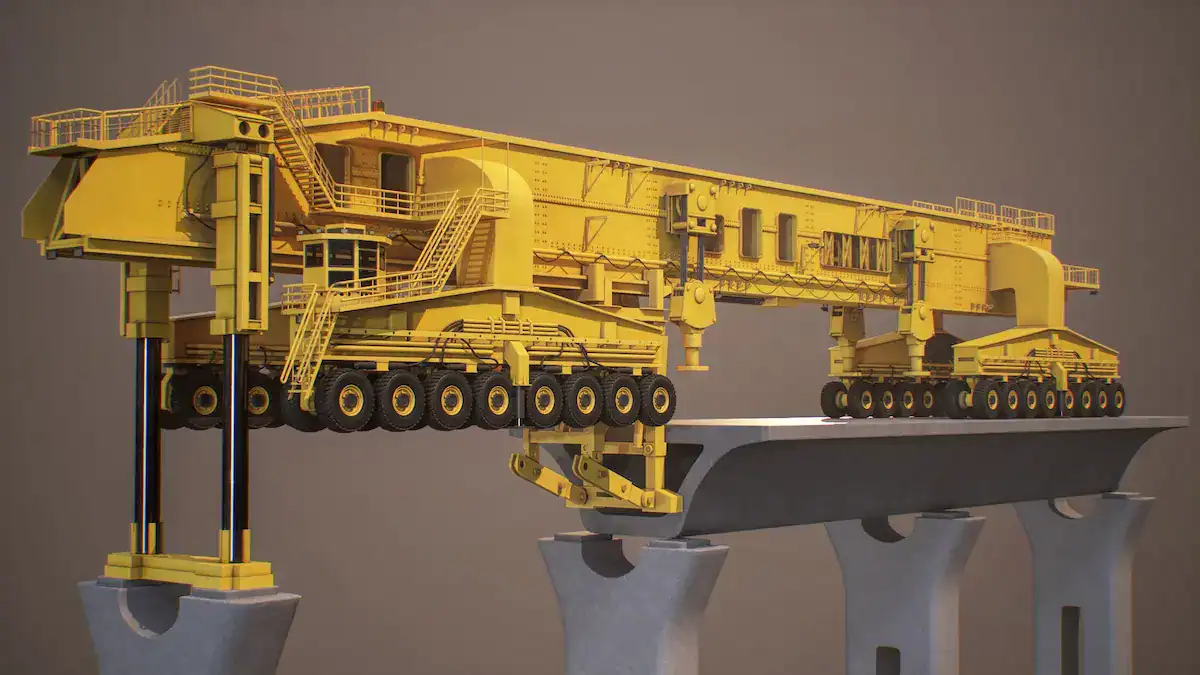
Bridge Launching Gantry Risks
Equipment stability is the cornerstone of bridge girder erection safety.
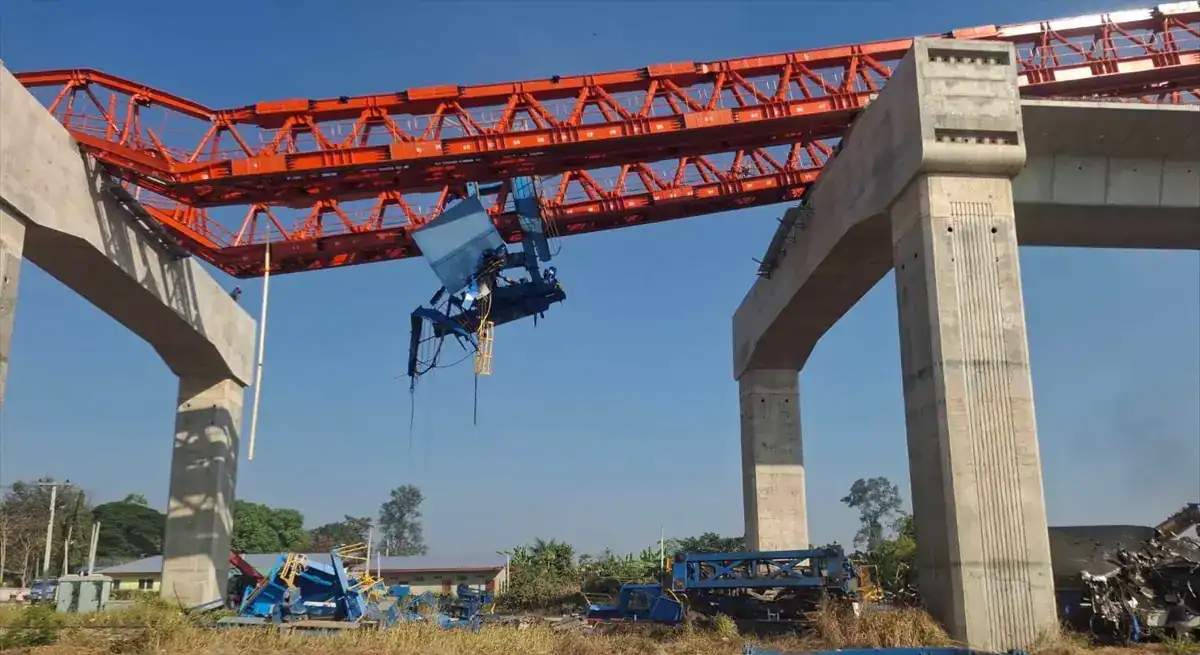
- Rail Deviation:Foundation settlement or weak pins cause the bridge launching gantry to veer off course.
- Structural Overturning:Incorrect counterweight configuration or uneven leg loading leads to longitudinal or lateral tipping.
Environmental Risks
Weather challenges large high-altitude machinery.
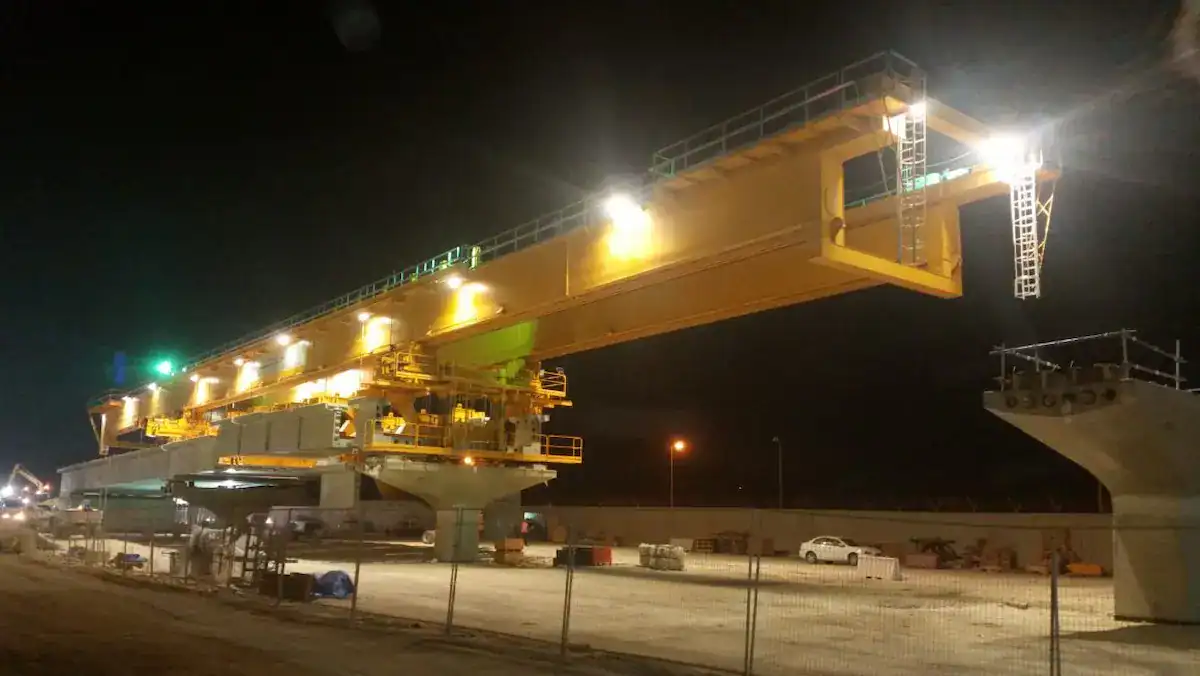
- Wind:Sudden gusts increase lateral loads on beams. This causes lifting imbalance and instability.
- Visibility:Fog or rain obscures signals. This reduces lifting precision and coordination.
- Thermal Stress:Extreme temperature changes affect steel structure fatigue and fastener stress.
Human Operational Risks
Human factors often cause the final failure of safety lines.
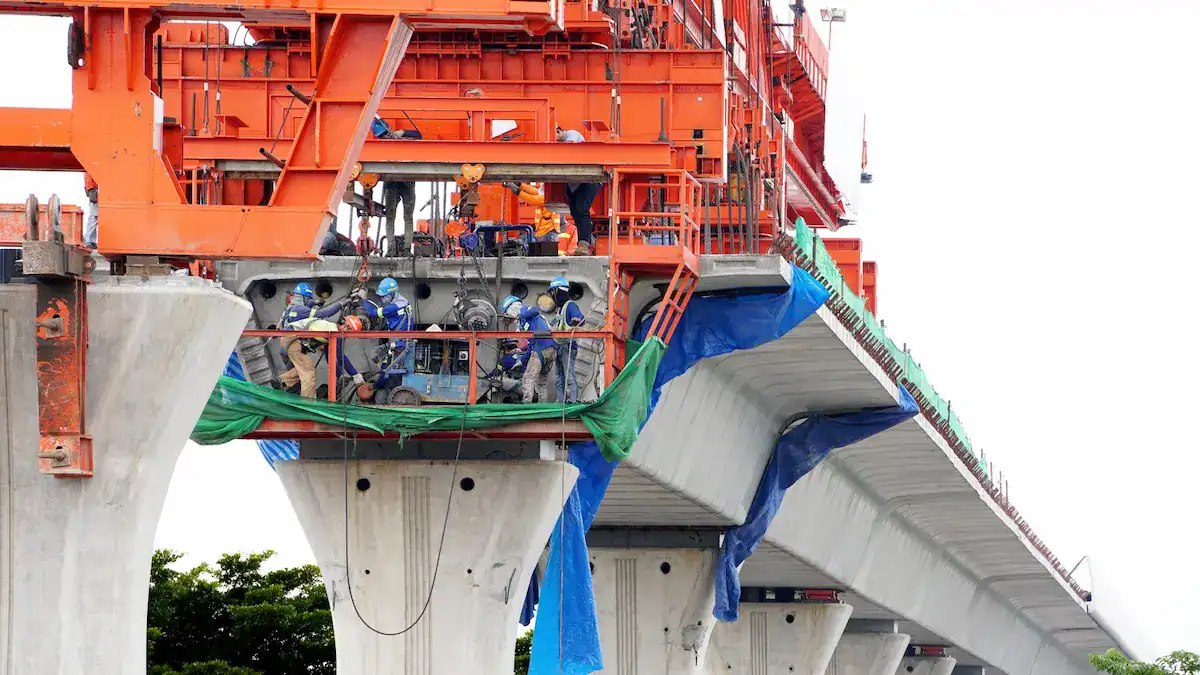
- Violations:Workers may ignore safety rules, such as disabling limits or skipping load tests.
- Command Errors:Inconsistent signals, blind spot operations, or poor communication lead to mechanical collisions.
Core Safety Points for Bridge Girder Erection
Bridge girder erection is a high-risk process. We must build a comprehensive protection system covering personnel, equipment, and the environment. All technical indicators must remain strictly controlled.
High-Altitude Protection
High-altitude work requires a “prevention first” approach with rigid constraints.
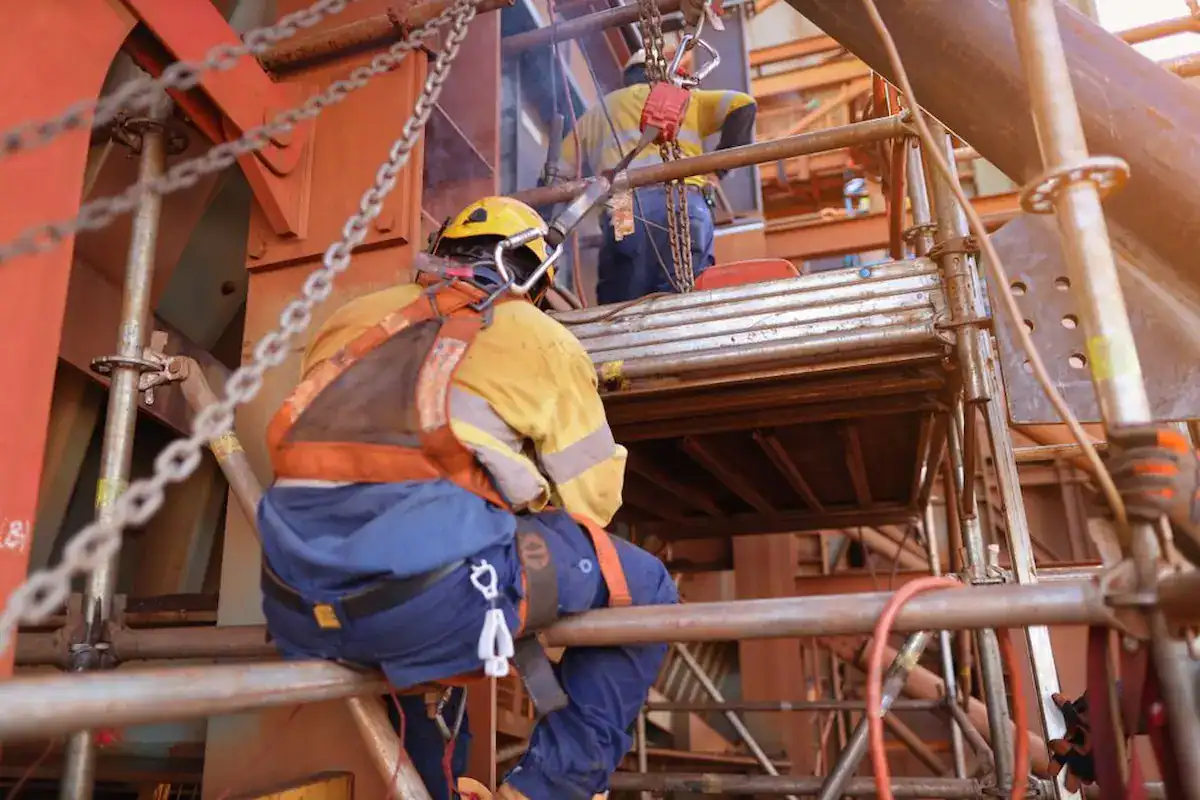
- Full-scale Protection:Work decks require full planking. Edges need 1.2-meter double-layer guardrails with toe boards.
- Lifeline Standards:Never anchor safety belts to non-load-bearing parts. Use mandatory independent lifelines for all personnel. Ensure anchor capacity meets mechanical calculations.
- Safety Netting:Install flame-retardant safety nets under piers and work surfaces. Regularly check connectors to prevent falling object hazards.
Lifting Safety Control
Hoisting during bridge girder erection must follow strict Standard Operating Procedures (SOP).
- Equipment Inspection:Check steel ropes for wear or broken wires. Verify hook safety latches and brake reliability.
- Load Limits:Strictly follow the load chart. Never overload the equipment. Use simulations to calculate the gravity center and ensure even load distribution.
- Operating Norms:Unify command signals. Never keep loads hanging for long periods. Keep lifting paths clear of power lines, camps, and structures.
Bridge Launching Gantry Management
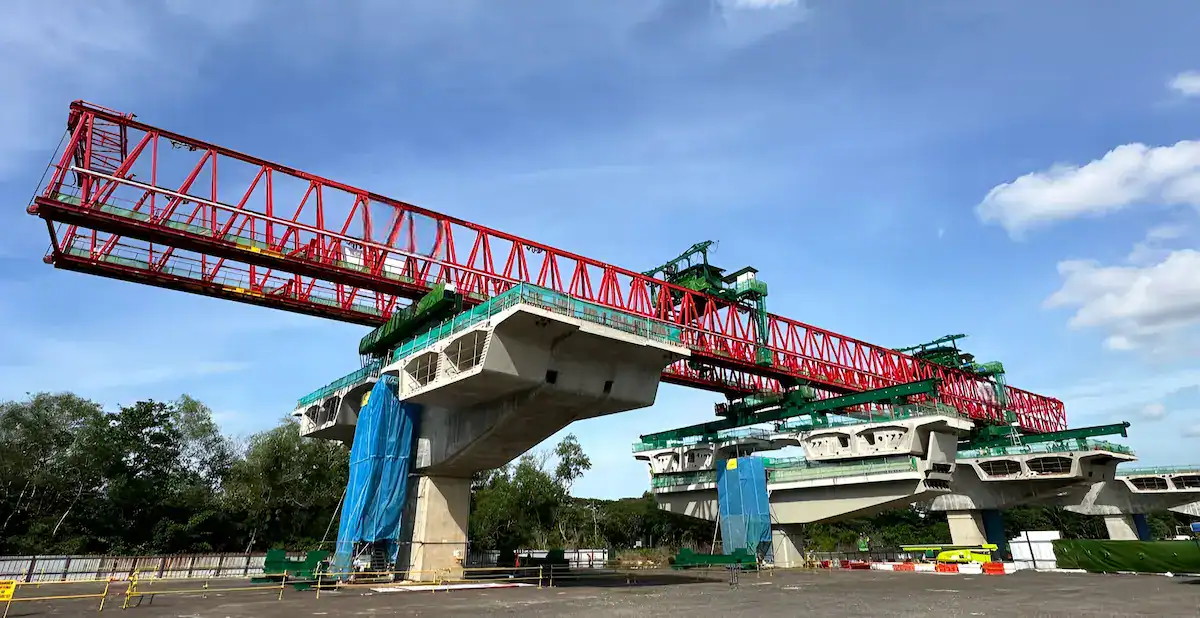
The bridge launching gantry requires full lifecycle safety management.
- Acceptance:After assembly, perform load tests. Use dynamic (1.1x) and static (1.25x) loads. Only operate after third-party certification.
- Rail Maintenance:Monitor rail foundation settlement. Ensure gauge deviation, levelness, and bolt torque meet design standards.
- Safety Limits:Validate height limiters, moment limiters, and wind anchors. Never bypass or alter safety logic.
Environmental Monitoring
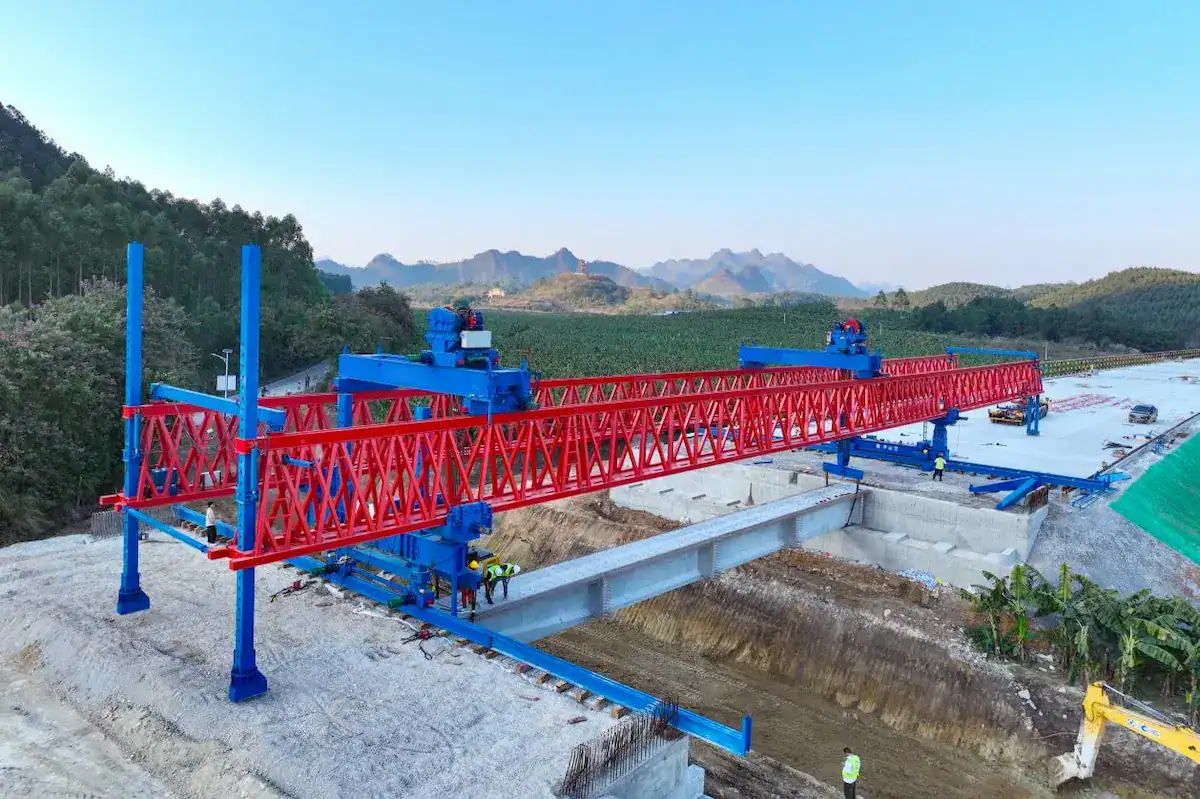
Convert weather data into construction commands to minimize losses.
- Wind Control:Stop work if wind reaches Level 6 (10.8-13.8m/s). Anchor the bridge launching gantry and lower beams to supports.
- Adverse Weather:Ban lifting during rain, fog, or extreme heat.
- Smart Detection:Install wind and temperature sensors on the bridge launching gantry. Automatically trigger warnings via backend monitoring.
Personnel Management
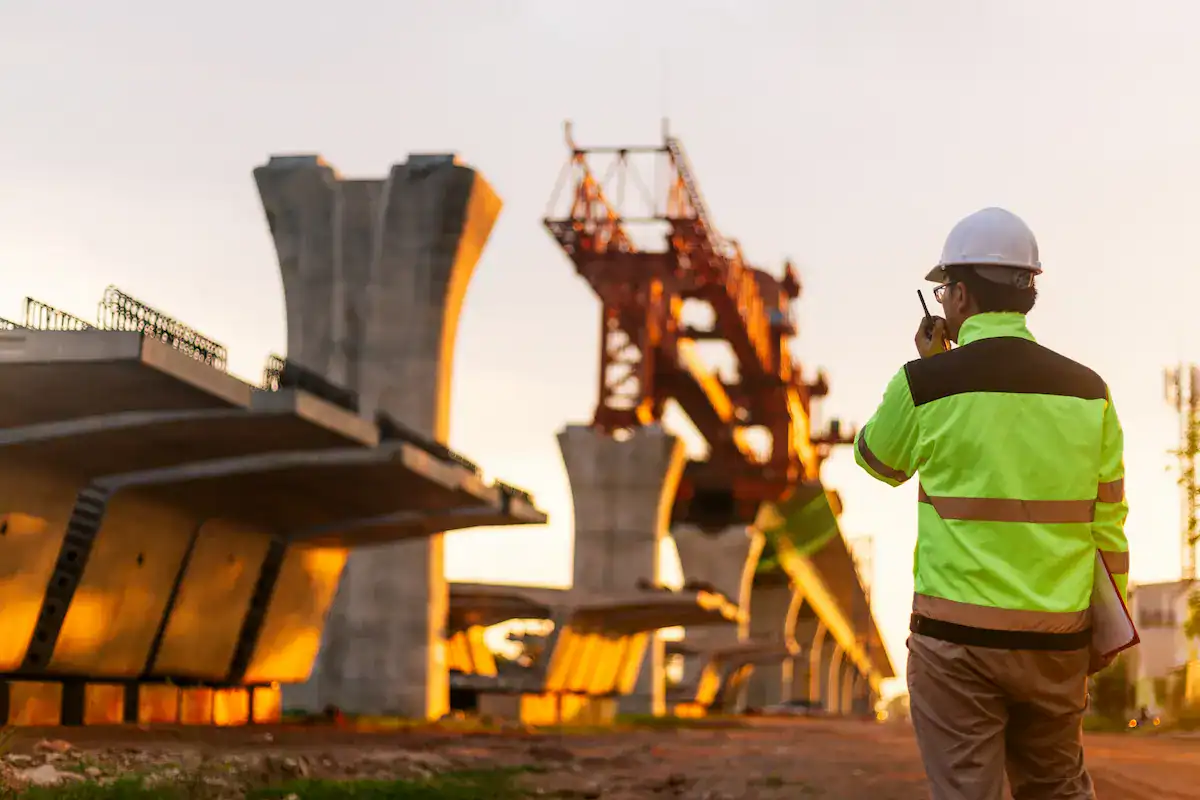
Safety management relies on operator execution.
- Qualifications:Operators and signalmen must hold valid special equipment certificates. Uncertified operation is strictly prohibited.
- Safety Briefings:Conduct daily pre-work briefings. Clearly define risks and escape routes. Require onsite signatures.
- Emergency Drills:Conduct monthly drills. Ensure crews master rescue and self-rescue procedures to move beyond paper plans.

Emergency Rescue
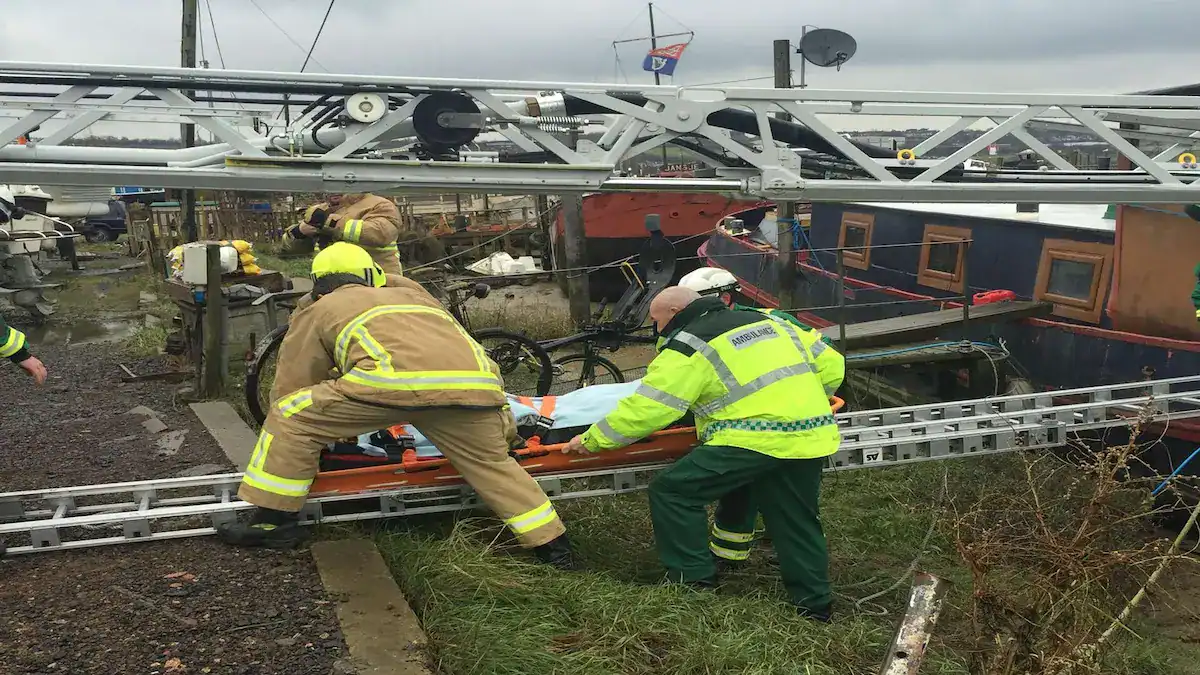
Maintain baseline measures for disaster response.
- First Aid:Equip high-altitude points with independent lifelines. Ensure rescue teams can start evacuation within 3 minutes of an incident.
- Equipment Locking:If the bridge launching gantry shows tipping signs, perform an emergency lock immediately. Do not attempt to recover balance blindly.
- Linkage Mechanism:Establish communication channels with fire and medical services. Report precise coordinates and incident severity after any accident.
Practical Safety Advice for Bridge Girder Erection Sites
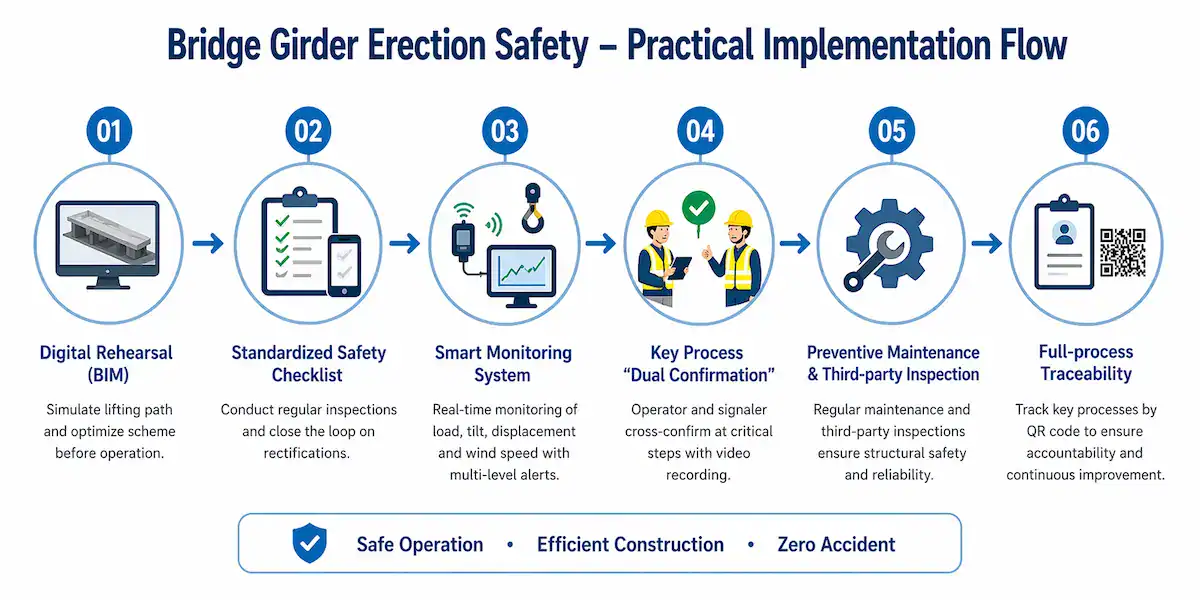
To ensure safety and control during bridge girder erection, we recommend upgrading field management to a modular, digital system. Use the following practical measures:
No. | Measure | Core Implementation Logic | Safety Value |
1 | Digital Rehearsal (BIM) | Use BIM for path simulation before lifting. Remove collisions and optimize posture. | Solve potential risks in virtual space. |
2 | Standardized Checklist | Implement Daily, Weekly, and Monthly checks. Record data in apps for closed-loop rectification. | Eliminate blind spots before operations. |
3 | Intelligent Monitoring | Install sensors on the bridge launching gantry for load, tilt, and wind. Real-time data upload. | Shift from manual checks to real-time warnings. |
4 | Dual-Confirmation | Mandatory cross-confirmation by operator and commander for high-risk steps. Archive site footage. | Reduce human error caused by cognitive bias. |
5 | Preventive Maintenance | Create maintenance plans based on run-hours. Invite third-party bodies for structural testing. | Ensure compliance with FEM/ISO standards. |
6 | Full Process Traceability | Implement “one machine, one file” and “one person, one card” via QR codes. | Reinforce accountability and site safety measures. |
Download the Complete Safety Checklist
Don’t leave your site safety to chance. Download our comprehensive [Bridge Girder Erection Daily Safety Checklist PDF] used by top-tier contractors worldwide to ensure FEM/ISO compliance before every lift.
[Enter Your Email to Download Instantly]
HSCRANE Advantages in Bridge Girder Erection
In high-risk environments, HSCRANE integrates safety and efficiency into our bridge launching gantry through high-standard design and technology:
- High Safety Redundancy:We strictly follow international ISO/FEM All load-bearing parts use high safety factors. The lifting mechanism features dual independent braking systems. This prevents load slipping during power failures or motor issues.
- Stable Structural Design:We use Finite Element Analysis (FEA) for anti-fatigue and stress optimization. High-strength alloy steel improves torsional stiffness. This keeps dynamic swaying to a minimum during bridge girder erection.
- Precision Control & Smart Upgrades:Standard closed-loop VFD ensures millimeter-level positioning. Smart terminals collect load, wind, and tilt data. If thresholds approach limits, the system triggers active defense, such as slowing down or stopping.
- Customized Solutions:We provide modular structures adapted to terrain, bridge span, and logistics. Optimized segment connections reduce transportation difficulty. This ensures your bridge launching gantry enters the site quickly and operates smoothly.
- Full Service & Support:We provide a full lifecycle guarantee. This covers installation, operation training, and remote diagnostics. With 24/7 response, our technical support reaches your frontline instantly. We ensure your equipment maintains high-frequency operation throughout the project.
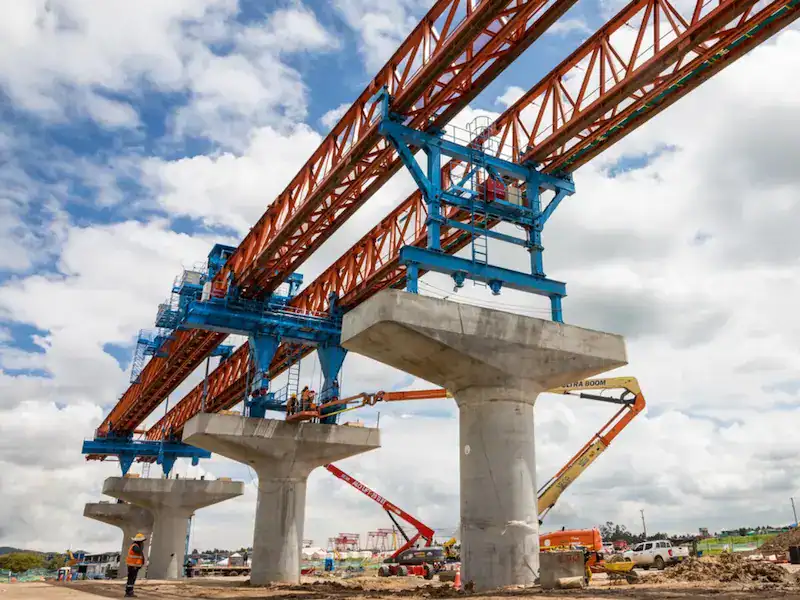
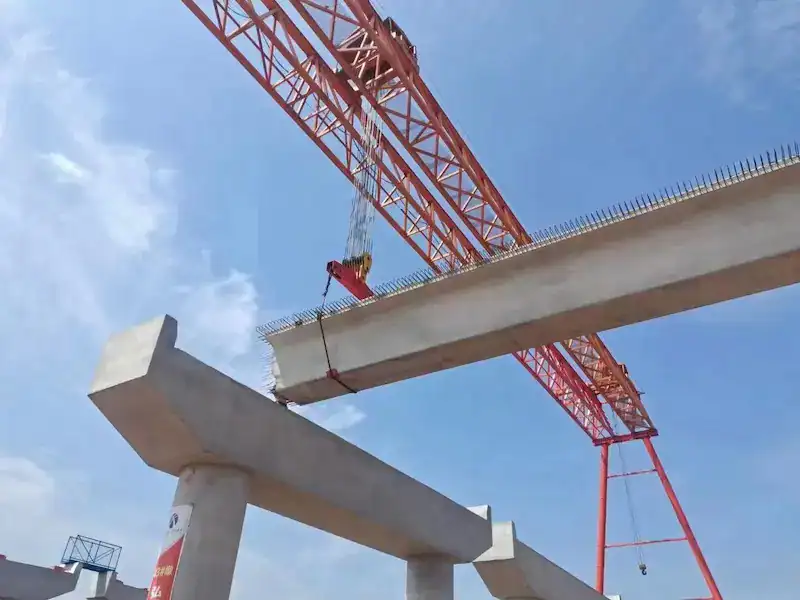
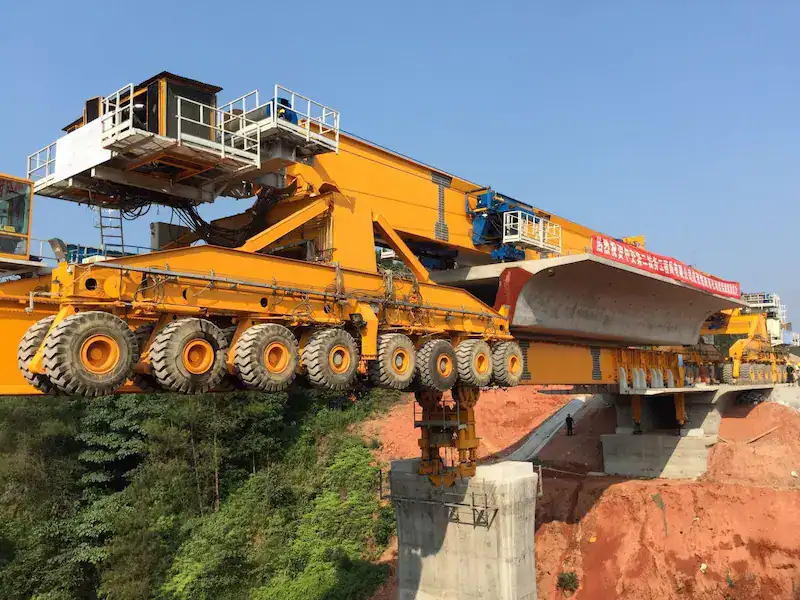
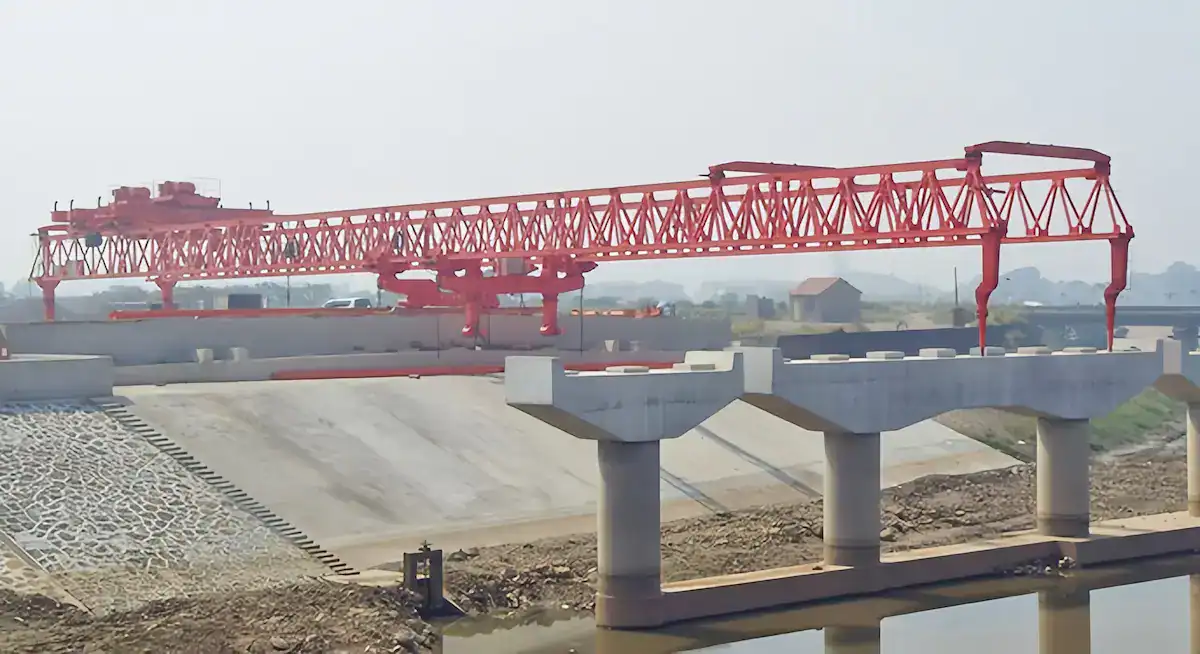
Case Study: HSCRANE Bridge Launching Gantry in Indonesian Highway Project
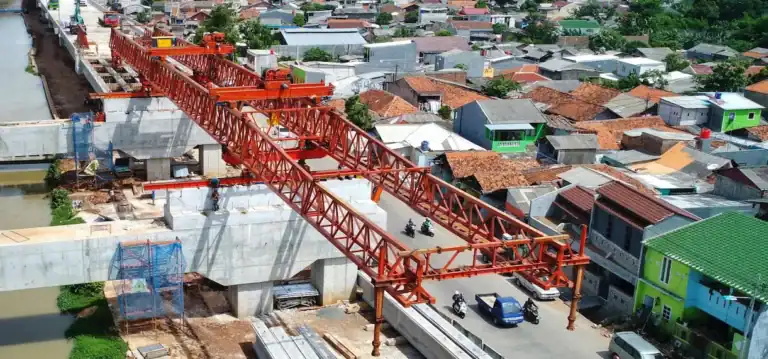
HSCRANE delivered a complete bridge girder erection solution for an Indonesian highway project. The site featured high humidity, strong winds, and complex island logistics. We successfully optimized the bridge girder erection process under extreme conditions.
Project Challenges
- Logistics & Assembly:The island geography required high mobility. The bridge launching gantry needed rapid assembly and disassembly.
- Extreme Conditions:High winds and humidity demanded superior corrosion resistance and anti-overturning control.
- Efficiency:Tight project deadlines required high-frequency “passing-hole and erection” cycling.
Technical Implementation
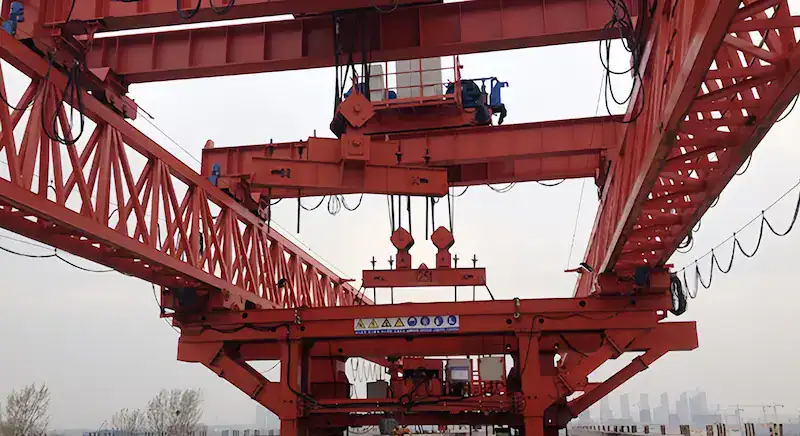
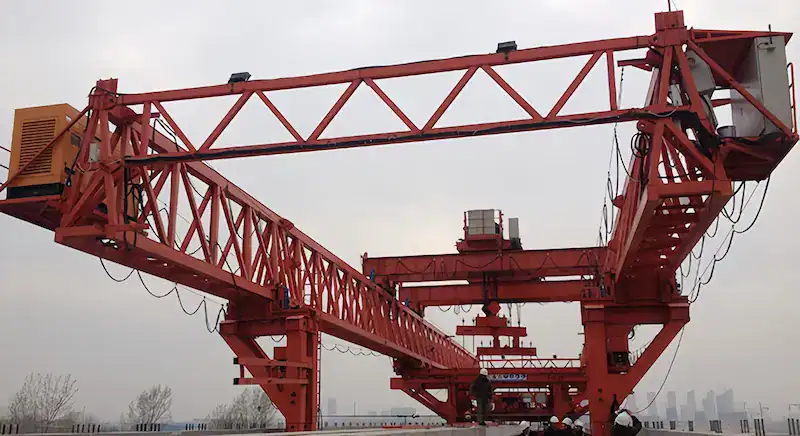
We deployed a customized 180t bridge launching gantry to meet these demands.
- Modular Design:We used high-strength alloy steel modules. All parts fit standard containers. This ensured efficient sea transport and rapid site assembly.
- All-Weather Protection:We applied C5-level industrial anti-corrosion coatings. Sealed, temperature-controlled cabinets protected electronics from tropical humidity.
- Smart Safety:The system integrated load calibration, real-time torque monitoring, and wind interlocks. It triggered automatic protection modes when environmental parameters approached limits.
Project Results
- Higher Efficiency:Optimized variable frequency control improved precision. This shortened the bridge girder erection cycle time by approximately 15%.
- Safety Record:The equipment operated for 18 months under high intensity with zero accidents. It passed all third-party safety inspections.
- Client Value:The project was completed on schedule. The client reduced operational costs and secured future cooperation contracts due to our performance.
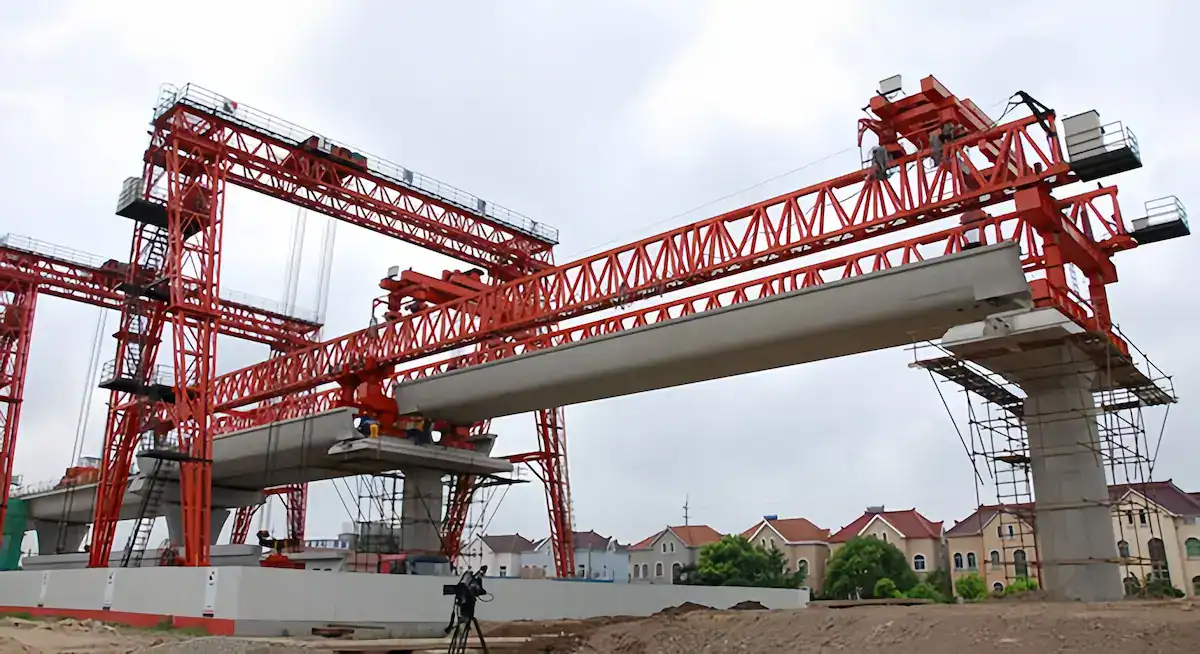
Safe bridge girder erection relies on a dual defense: high-performance equipment and precise control. We effectively manage high-altitude, heavy-load threats. The future of bridge construction depends on intelligent equipment and digital management. Moving from manual inspection to active sensor-based warnings is an industry necessity.
Planning a Bridge Project? Get Expert Support.
High-altitude operations require precision. HSCRANE provides technical consulting from equipment selection to onsite safety assessment.
- Engineering Consulting:Free technical solution evaluation and advice.
- Customization:Tailored equipment for non-standard spans or special environments.
- Rapid Response:Contact our technical team now to reduce project risks.
[Click Here to Contact HSCRANE Technical Consultant]
Related Technical Insight:
In bridge girder erection, improper operation causes up to 30% of project delays. How does HSCRANE shorten cycles by 15% via smart control and structural optimization? We analyzed efficiency logic and field tips for complex conditions to maximize your output.
[Click to Read: From Principle to Practice: How Bridge Launching Gantry Improves Bridge Construction Efficiency
FAQ
Q1: Which international standards apply?
A1: Designs must comply with ISO 14644, DIN DIN EN 13001, and FEM standards. Equipment should meet FEM 2M or ISO M5 ratings to ensure reliability under continuous high-intensity loads.
Q2: How do we balance safety and cost?
A2: Safety is “cost prevention.” High-redundancy design and monitoring systems reduce hidden costs by preventing downtime, liability risks, and lifting errors.
Q3: What are the wind speed limits?
A3: Operations must stop at Level 6 wind (10.8–13.8 m/s). We recommend multi-level alarms: Level 4 (Warning), Level 5 (Slow down), Level 6 (Automatic lockout).
Q4: Why use an intelligent monitoring system?
A4: Manual supervision is reactive. Real-time data on loads, tilt, and wind allows for “predictive maintenance,” identifying structural instability before an incident occurs.
This document is for reference only. Specific operations must strictly comply with local laws and regulations and equipment manuals.

Get Expert Advice for Your Bridge Project
Our engineering team brings decades of experience in bridge construction equipment. Let us help you find the right solution.

 Scan to chat