 EN_US
EN_US  Español
  Русский
  العربية
  Português do Brasil
  Français
  Bahasa Indonesia
  Türkçe
  Tiếng Việt
  Bahasa Melayu
  Українська
 Technical Insight
Technical Insight
Straddle Carrier Buying Guide: 10 Questions to Ask Before You Purchase
Overview
A straddle carrier is a core piece of equipment for container logistics in ports, yards, and large factories. But when ordering, many engineering and purchasing teams hesitate. How much load margin is needed? What stacking height is just right? Should you choose diesel, electric, or hybrid? Blind decisions based on experience cause poor efficiency. Even worse, you will face painful maintenance bills later.
This article gets straight to the point. We list 10 key questions to confirm before buying a straddle carrier. We cover scenarios, energy costs, and business expansion. This guides you clearly through the selection process. We also analyze real cases and custom solutions from HSCRANE globally. This helps minimize your investment risks effectively.
Planning a straddle carrier project?
For ports, rail yards, or inland hubs, HSCRANE offers one-stop services based on your conditions. We provide design, manufacturing, and installation to lower lifecycle costs.
[Enter Project Parameters to Find the Best Equipment Selection]
Why is Need Analysis Vital Before Buying a Straddle Carrier?
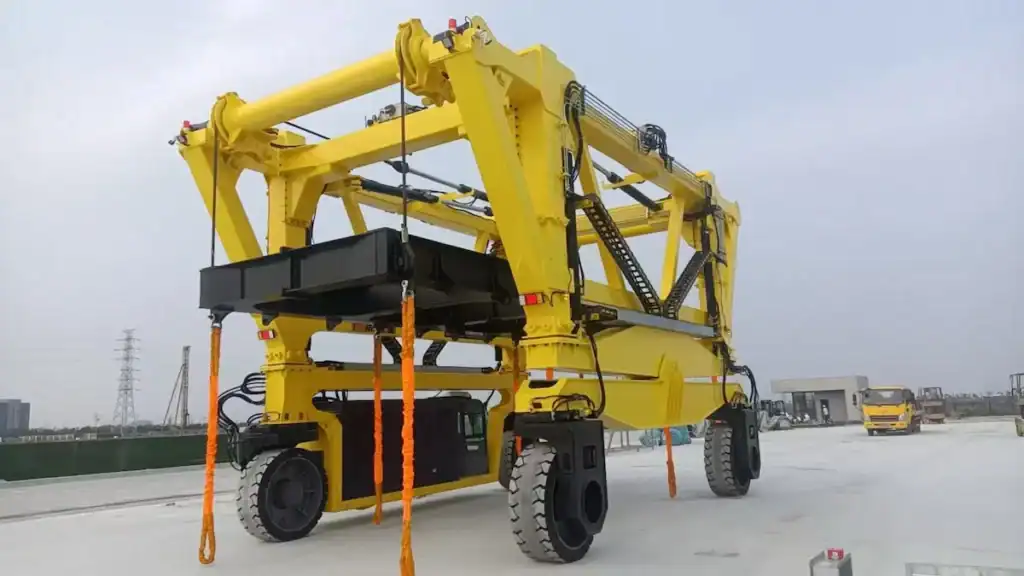
Many purchasing managers often ask one question during initial inquiries. They usually ask: “How much is this machine?” But for heavy equipment like a straddle carrier, price isn’t everything. Focusing only on initial quotes hides the iceberg below.
Buying a straddle carrier is never a one-time deal. It is a core, long-term fixed asset investment. A well-designed, solidly built straddle carrier lasts over 20 years. Rough selection based only on experience brings long-term trouble. Your company may pay for high energy costs and poor efficiency. You might also face frequent repairs for 20 years. Every effort spent on early planning is valuable. It directly translates into solid return on investment (ROI).
Comparison: Planning vs. Operation Impact
| Planning Core Elements | Consequences of Blind Buying | Long-Term Benefits of Scientific Planning |
| Load and Size Forecast | Buying too big wastes energy. Buying too small fails to handle future heavy container business. | Precisely matches current and future 3-5 year throughput needs. Maximizes overall equipment effectiveness (OEE). |
| Power System Choice | Blindly buying traditional diesel faces strict environmental limits later. You may also face soaring fuel costs. | Choosing hybrid or electric based on local policies cuts emissions. This significantly lowers the handling cost per container. |
| Yard and Aisle Matching | Finding insufficient turning radius on site stops work. You must spend heavily to rebuild the yard. | Perfectly fits the existing yard layout upon arrival. It works directly without extra civil or widening costs. |
Common Purchasing Mistakes for Enterprises
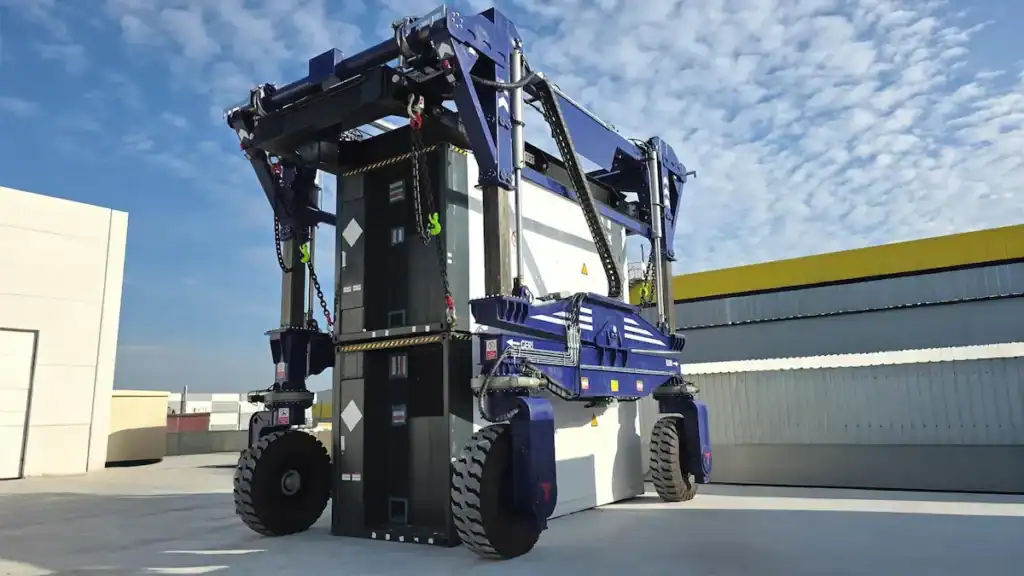
Based on HSCRANE’s global experience with ports and yards, we notice a trend. Many enterprises easily fall into these traps during early stages:
- Ignoring Lifecycle Costs: On the surface, cheaper equipment saves 10% on purchasing. However, design flaws cause soaring fuel costs over 20 years. Expensive custom parts and downtime losses will multiply that savings.
- Blindly Copying Others: You see a huge seaport using a high-end straddle carrier. You then try to copy it for an inland park. In reality, foundation bearing capacity, pacing, and climate vary greatly. This means your straddle carrier must be custom-tailored.
- Over-specifying Parameters: Some think higher lifting capacity and stacking layers are better. This wastes money on a heavy, energy-draining performance beast. It wastes assets if 80% of daily work handles empties.
With these traps in mind, we can get to business. Let’s see what questions must be confirmed before official procurement.
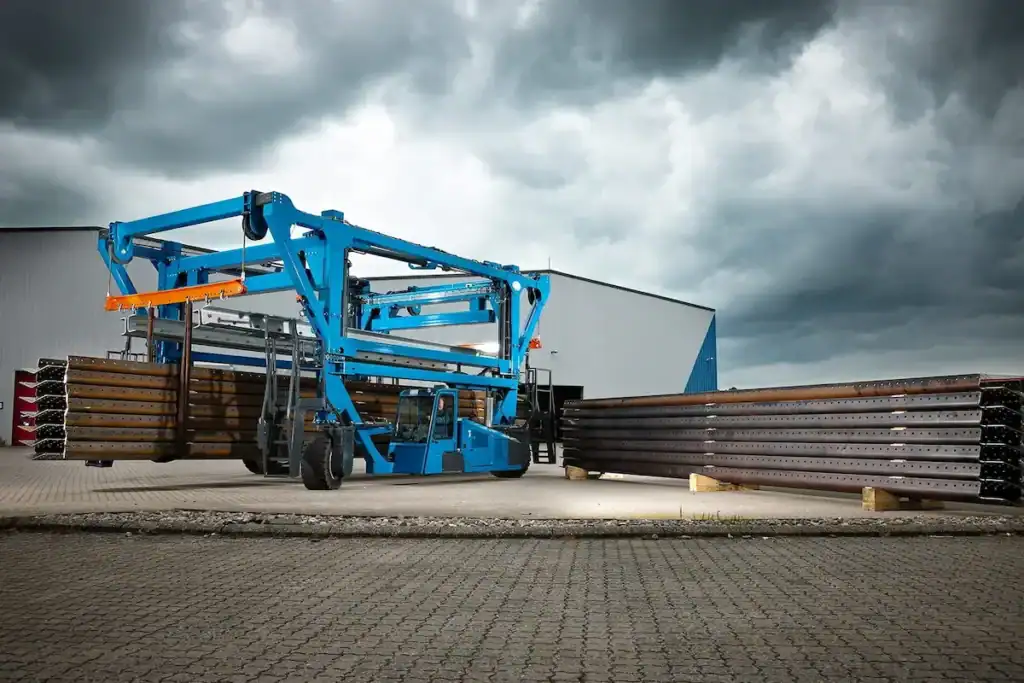
10 Questions You Must Confirm Before Buying a Straddle Carrier
Before sending RFQs to suppliers, hold an internal evaluation meeting. We strongly advise engineering and purchasing teams to do this. Clarifying these 10 questions thoroughly saves you lots of time. It helps you quickly find the right straddle carrier among technical parameters.
1: What is Your Operating Scenario?
Don’t rush to look at specs; check your site first. Different environments require vastly different wheel pressure, span, and corrosion resistance. Chassis design must adapt to actual road conditions.
| Core Operating Scenario | Typical Features & Equipment Challenges | Selection & Configuration Focus |
| Port Container Terminal | Severe salt spray corrosion, huge throughput, high-frequency work with quay cranes. | Highest anticorrosion coating, high speed, automated upgrade interfaces, smart dispatching system. |
| Rail Freight Center | Crosses railway tracks, limited ground capacity, fast train loading and unloading. | Custom span for track width, optimized wheel pressure distribution, multi-mode drive control. |
| Inland Port | Serves as a logistics hub, handles various container sizes and intermodal transport. | Multifunctional spreader, smart recognition, easy maintenance, versatile container handling. |
| Container Yard | Narrow aisles, high stacking density, needs to maximize yard utilization. | Compact body, multi-wheel independent steering, high stacking capability, precise positioning control. |
| Large Manufacturing Plant | Handles oversized, heavy, or non-standard components with high positioning accuracy requirements. | Custom non-standard spreaders, high-precision positioning, stable heavy-load control capacity. |
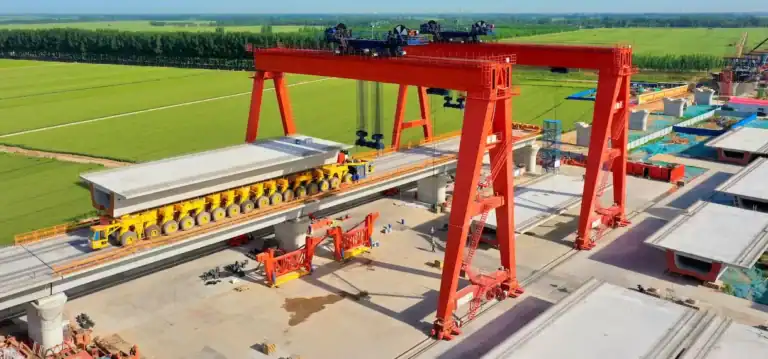
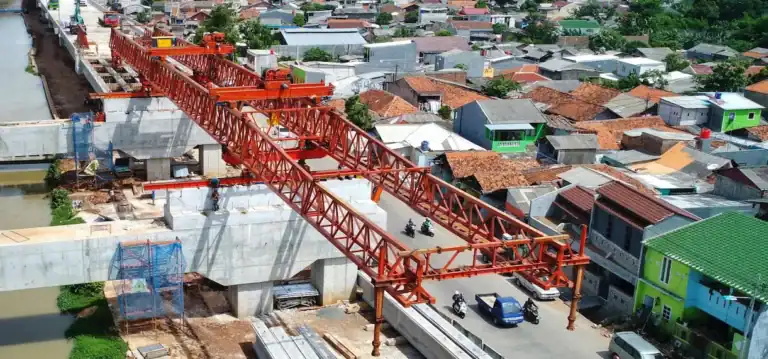
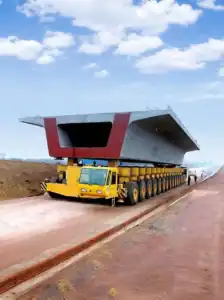
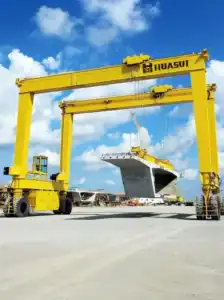
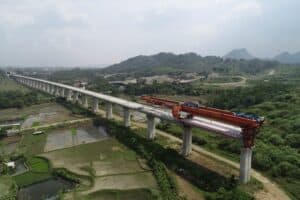
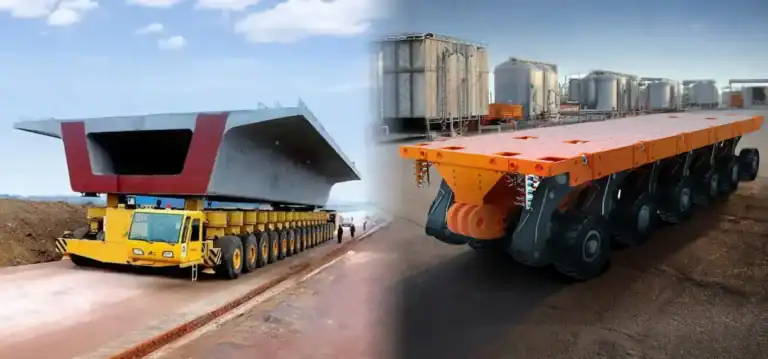
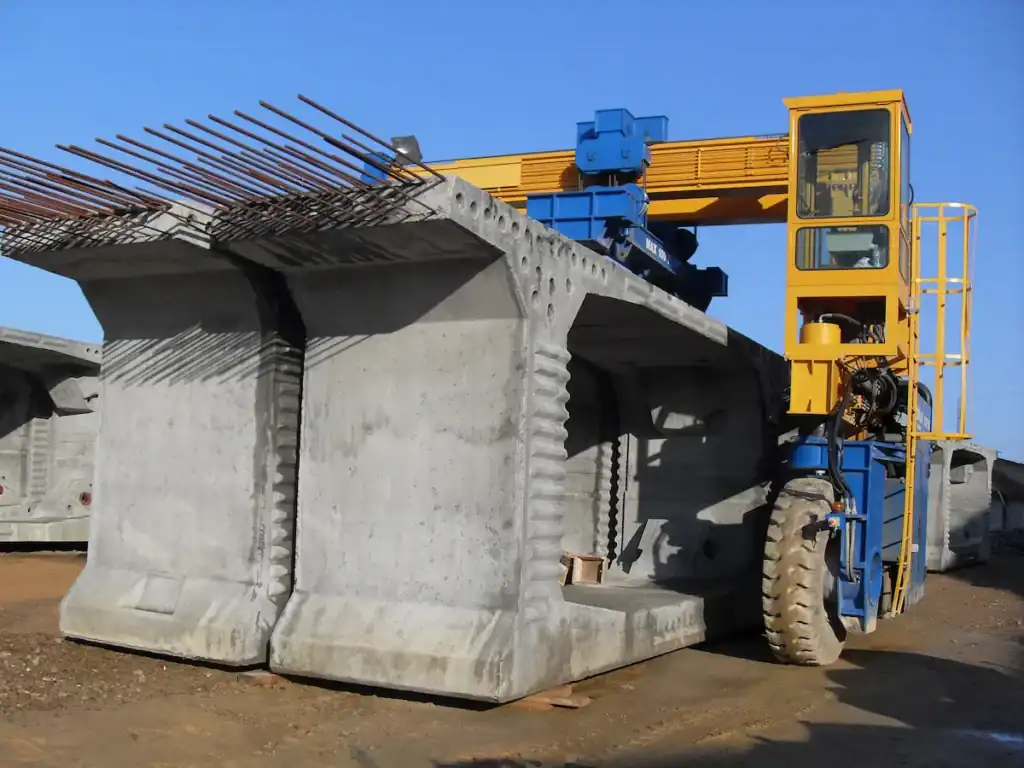
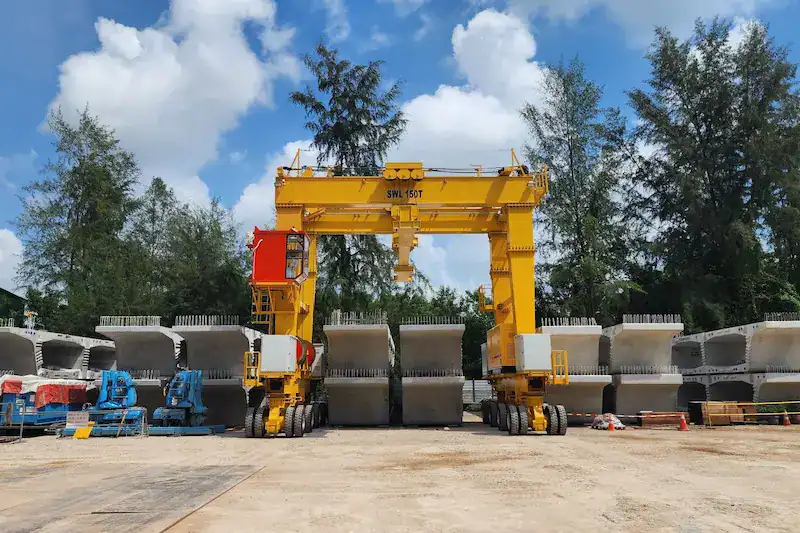
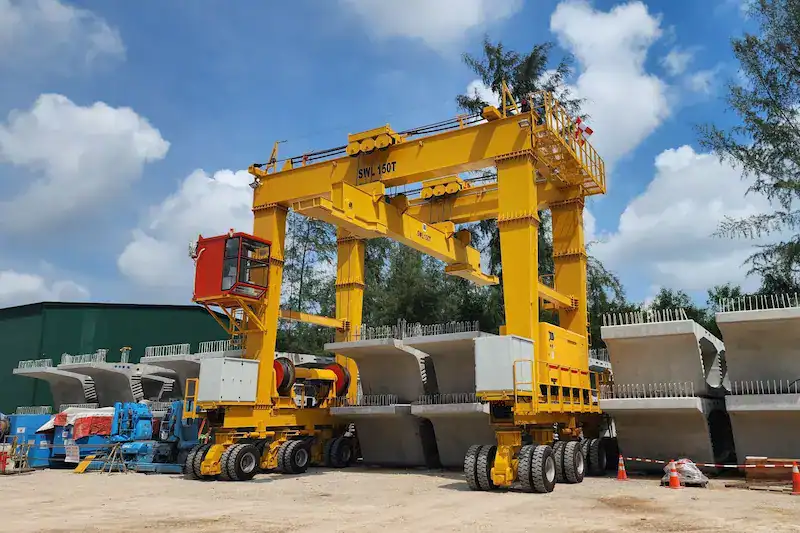
| Bridge Construction | Lifts prefabricated, box, and steel beams. Site roads are complex and operating environments change often. | Features extra-heavy capacity, high ground clearance, heavy hydraulic steering, and unpaved road adaptation. Supports custom beam spreaders and remote synchronous control. Ensures safe, efficient transportation and lifting of bridge components. |
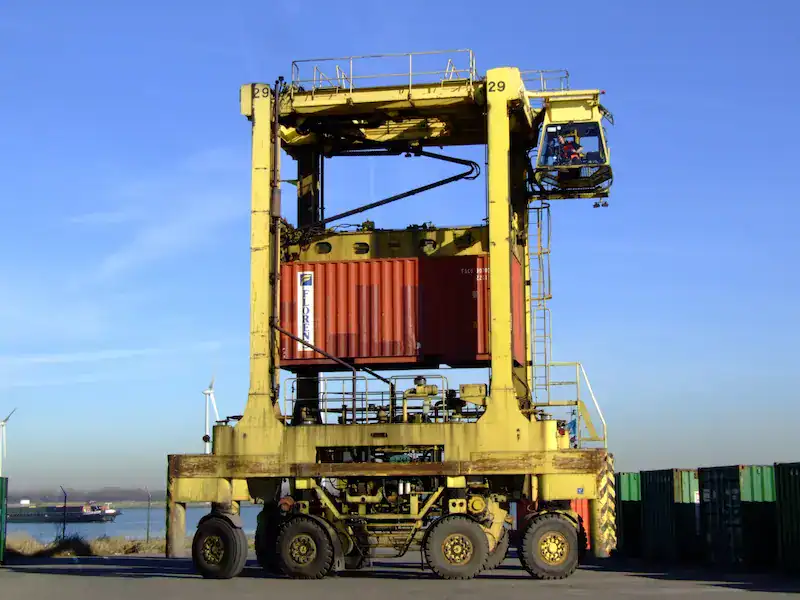
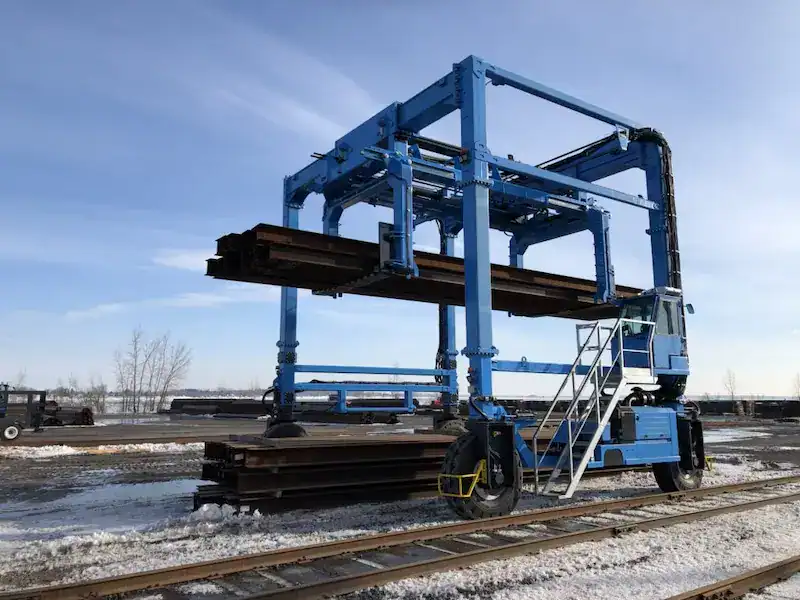
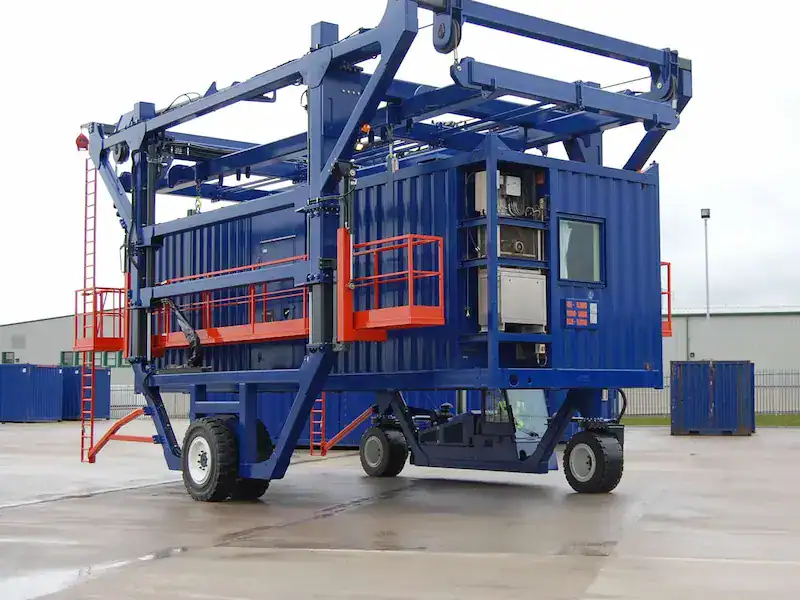
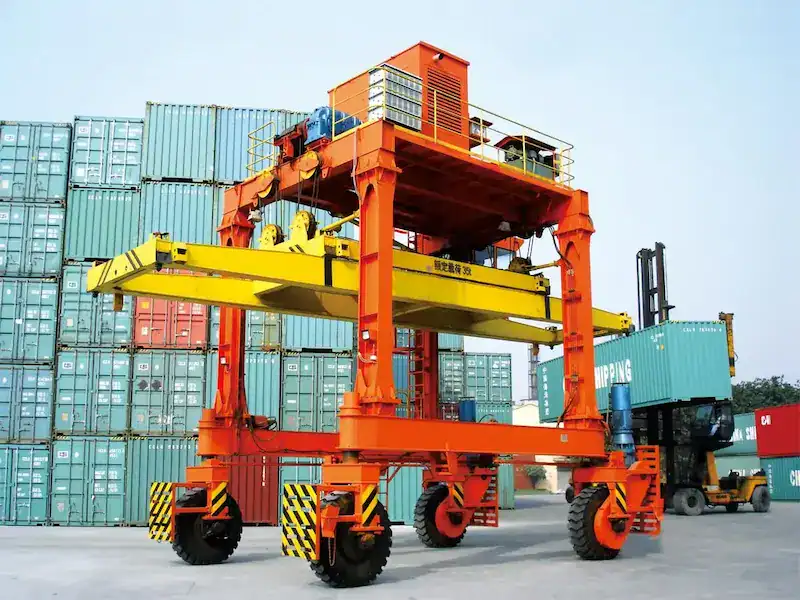
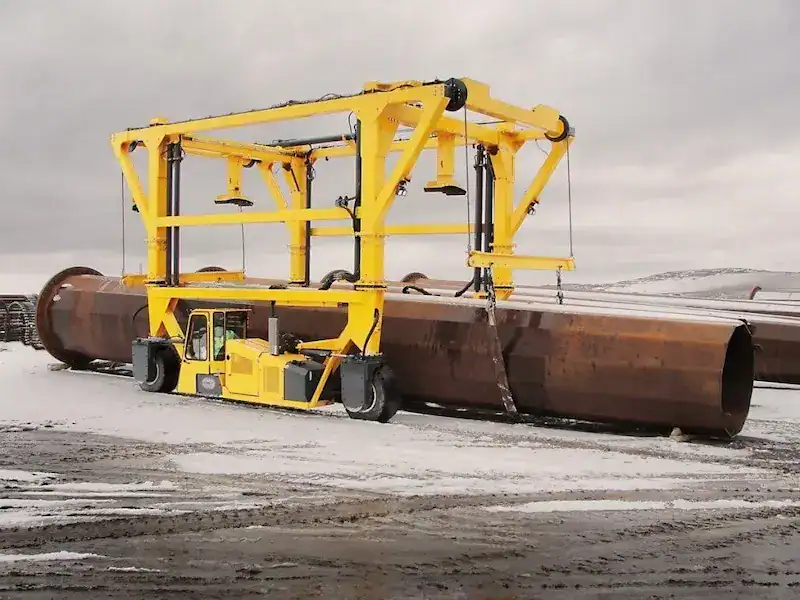
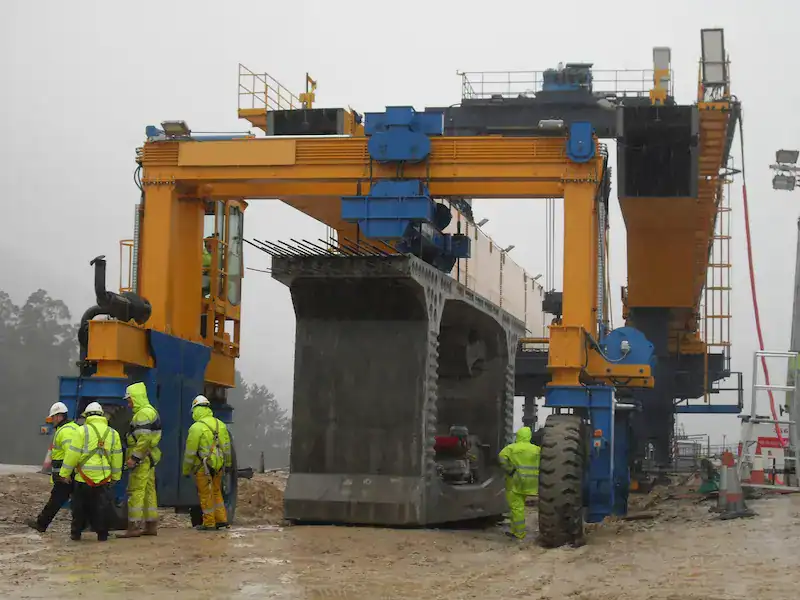
2: What Load Capacity Do You Need?
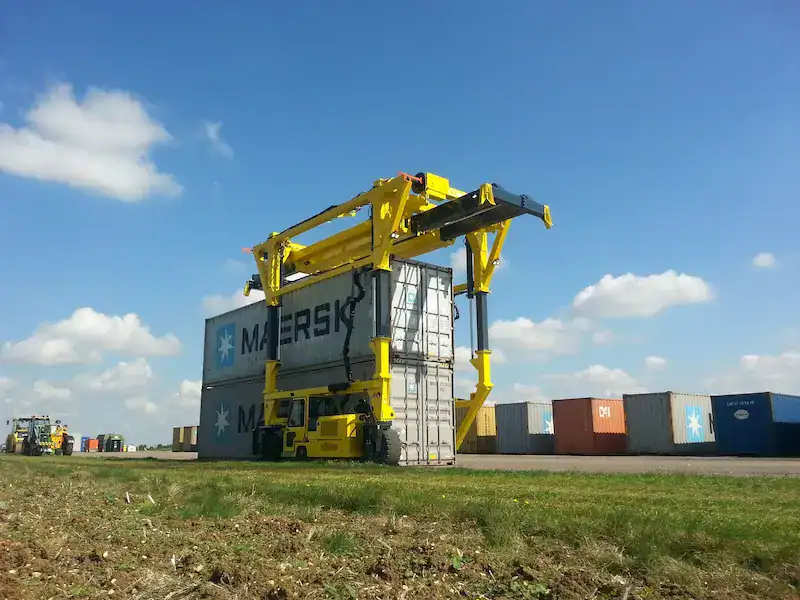
- Standard Weight vs. Eccentric Load: Don’t focus only on “maximum lifting capacity”. Specify if daily operations handle loaded 20ft, 40ft, or 45ft containers. Consider if uneven cargo weight causes frequent eccentric loading. This determines the compensation capability of the hoisting mechanism.
- Single or Twin-Lift Operation: Does your terminal demand extremely high throughput? If so, do you need twin-lift spreaders to hoist two 20ft containers at once? This directly determines steel usage for main beams and power system output.
- Spreader Tare Weight Allowance: When calculating rated load, subtract the hydraulic telescopic spreader weight. This tare weight is usually several tons. Calculate the actual net load accurately.
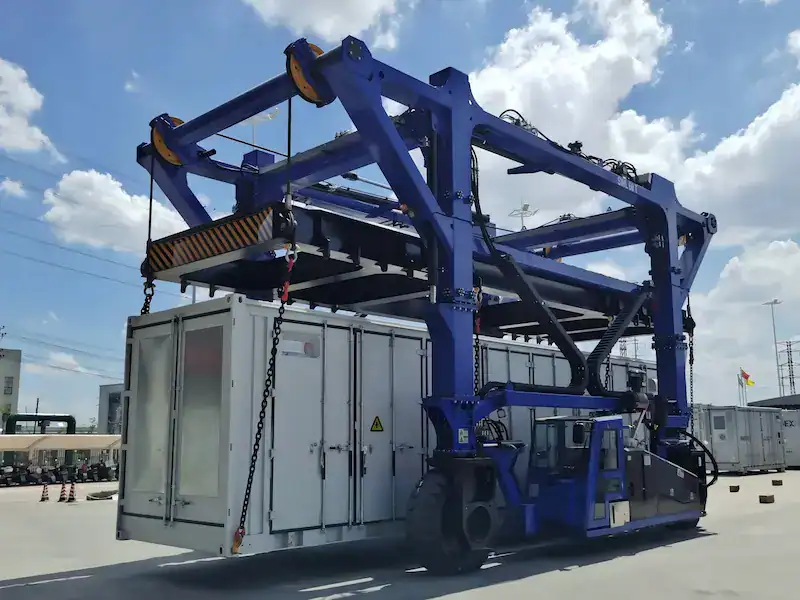
3: What Stacking Height Do You Need?
- Evaluate Stacking Capability: Industry standards use “1-over-2” or “1-over-3” to measure stacking capability. For example, 1-over-2 means straddling two tiers to stack a third tier. Higher stacking tiers require taller legs on the straddle carrier. This raises the overall center of gravity.
- Wind Resistance & Dynamic Stability: Higher stacking creates a larger windward area. Is your project in a typhoon-prone coastal area? If so, tall straddle carriers need higher wind resistance. They must also include anti-overturning alarm systems.
- Visibility & Blind Spots: As height increases, driver blind spots looking down get larger. Check if multi-channel HD cameras come as standard. Ask if cab side-shift functions exist to improve visibility.
4: Should You Choose Diesel, Electric, or Hybrid?
Choosing the wrong power source wastes money. Policy shifts might force early equipment retirement. Today’s main powertrain options each have distinct advantages:
| Powertrain Type | Core Advantages | Suitable Operating Scenarios |
| Diesel Drive | Strong power output, no range anxiety, lower initial purchase cost. | Traditional heavy-duty ports, remote yards with poor power infrastructure or high electricity prices. |
| Pure Electric | Zero emissions, extremely low noise, drastically lower future energy and maintenance costs. | Fully automated terminals, urban logistics parks with strict environmental rules. |
| Hybrid Power | Perfect balance between range and energy consumption. Kinetic energy recovery systems cut peak loads significantly. | Comprehensive logistics parks facing carbon pressure where full electrification is impossible. |
If you are hesitating, look at major industry trends. First, strict emission regulations force change. Standards like EU Stage V or US EPA Tier 4F phase out old diesel engines. Second, energy costs are crucial over time. Electric or hybrid power costs per container handled are much lower than diesel. Third, carbon reduction brings financial perks. New energy straddle carriers help secure green port subsidies or low-interest financing.
Not sure which straddle carrier fits your project?
HSCRANE senior engineers offer free custom selection advice and design schemes. We tailor solutions to your yard area, container specs, daily throughput, and budget.
[Click here to contact the HSCRANE senior engineering team]
5: Does Equipment Support Future Expansion?
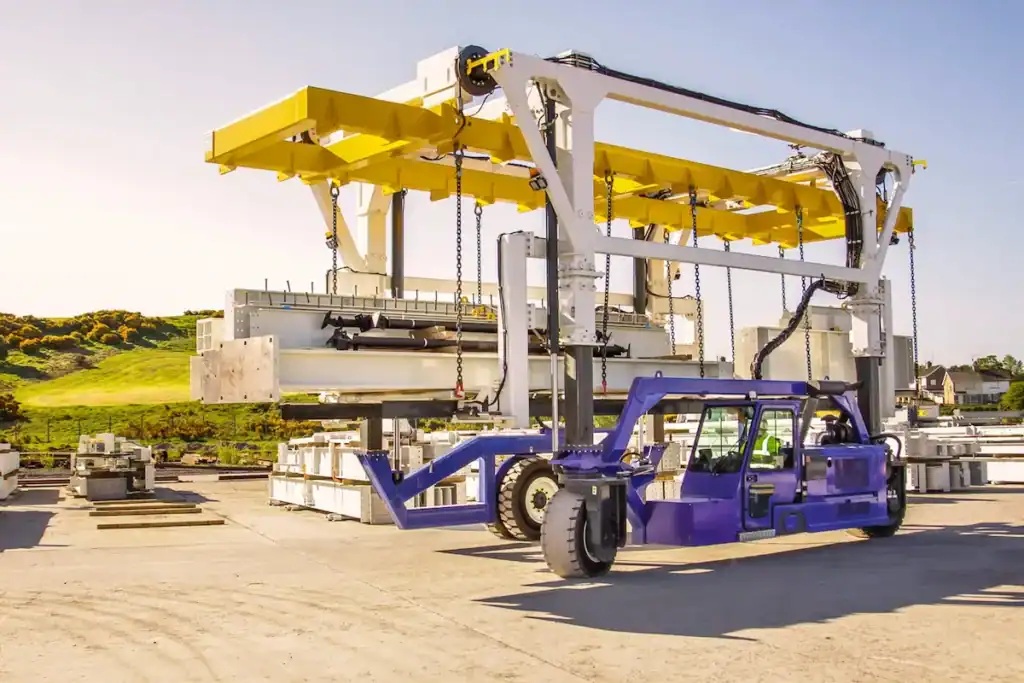
- Automation Upgrade Reserved: What if your yard automates into Auto-Straddle Carriers in a few years? Does the current chassis reserve space for LiDAR and DGPS antennas? Does it include hardware and software communication interfaces?
- Capacity Buffer Margin: Current daily throughput might be 500 TEU. What if that doubles in three years? Can the fatigue-resistant design handle intensive 24/7 non-stop operations?
6: Does Equipment Efficiency Meet Throughput Requirements?
- Key Speed Metrics: Loaded hoisting speed, unloaded hoisting speed, and gantry travel speed. These three core numbers build the actual cycle time. Theoretical efficiency on drawings must withstand field testing.
- Fine-Tuning & Alignment Efficiency: Is spreader side-shift and rotation smooth after reaching position? Experienced drivers know precise container grabbing beats fast hoisting. Micro-adjustment system sensitivity determines actual operational speed.
7: Are Maintenance Costs and Spare Part Supplies Reliable?
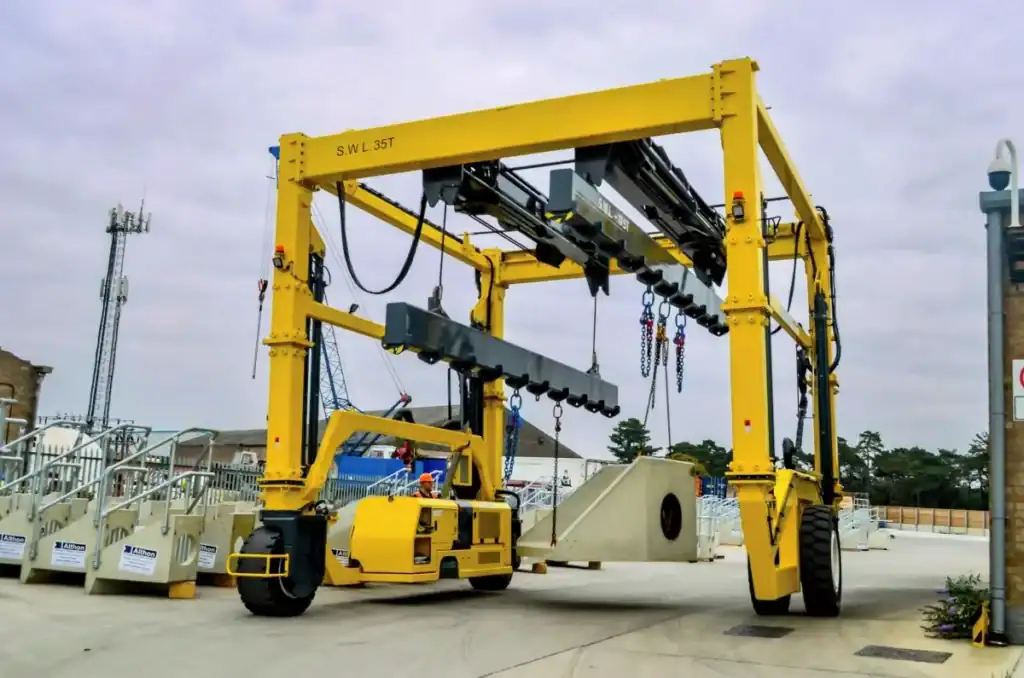
- Core Component Commonality: Are engines, hydraulic pumps, and electrical controls from top tier brands (like Cummins, Danfoss, Siemens)? This determines if you can quickly source affordable local replacement parts.
- Daily Maintenance Convenience: Are lubrication points centralized? Is the electrical control cabinet placed for easy standing access? Repair ease and duration directly impact unplanned downtime.
8: Does Equipment Comply with Local Safety and Industry Standards?
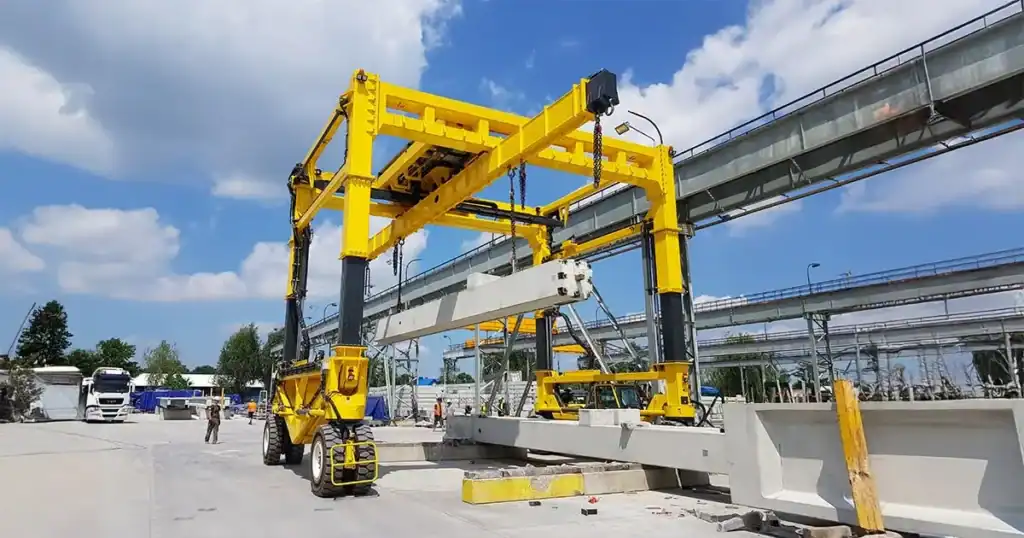
- Mandatory Compliance Certification: Does the equipment meet ISO standards, FEM rules, and local labor department safety regulations?
- Active Safety Features: Besides physical limiters, confirm if anti-sway, anti-collision radar, overload limiters, and driver fatigue monitoring exist.
9: Does the Supplier Have Customization Capabilities?
- Special Climate & Environment Packages: Russian clients need -40°C cold hydraulic packages. Middle East projects require 50°C heat and sandstorm desert cooling systems. Can the supplier make deep structural modifications?
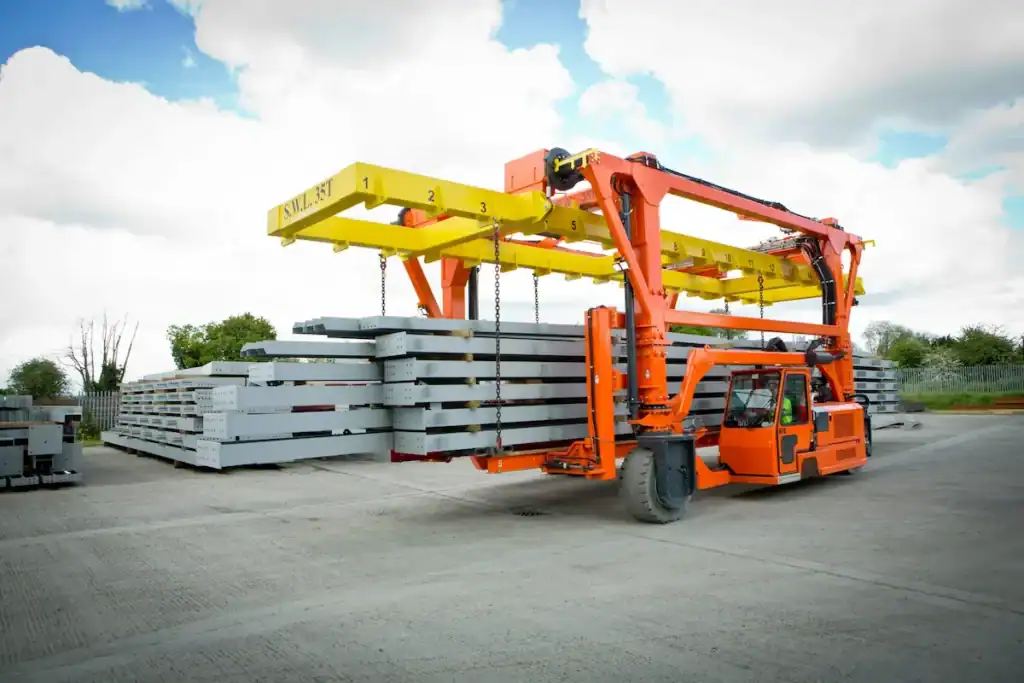
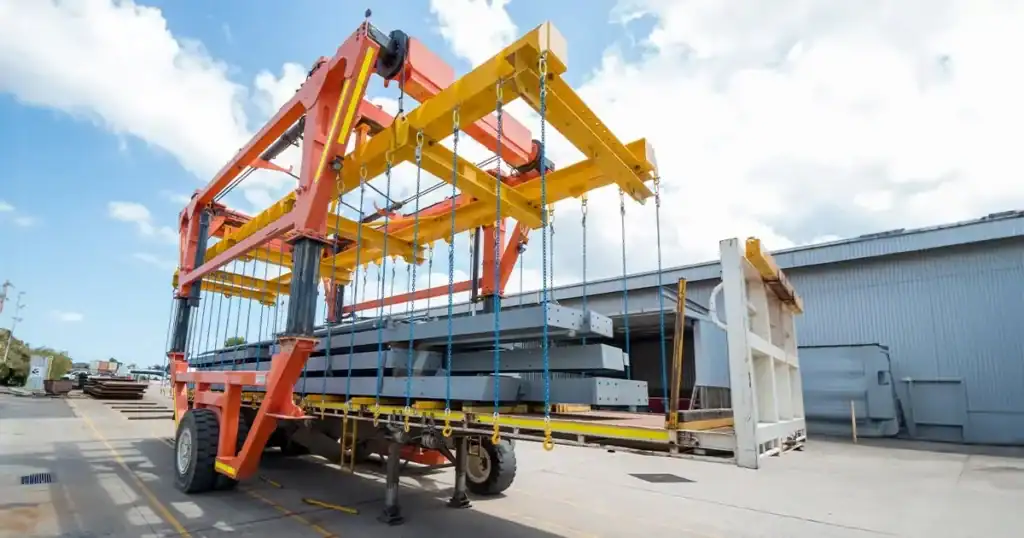
- Non-Standard Handling Needs: What if your factory moves containers plus precast concrete or long pipes? Can the manufacturer design custom quick-change spreaders for multiple uses?
10: Does the Manufacturer Have Proven Cases and Complete Service Systems?
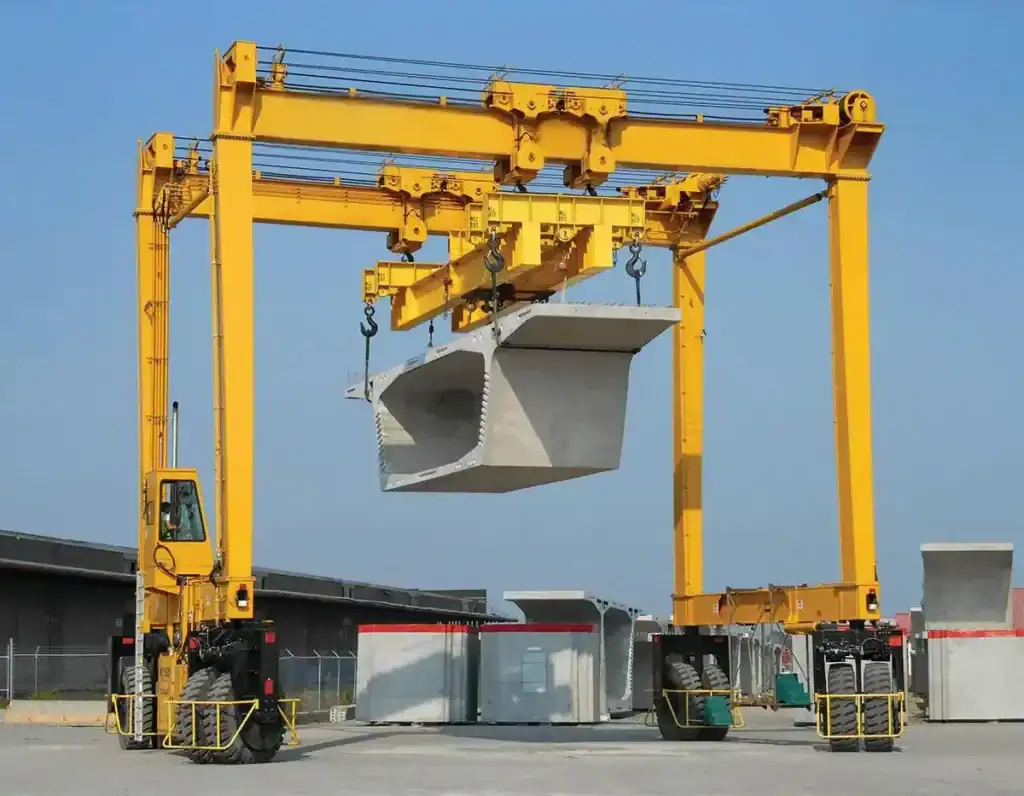
- Similar Scenario Experience: Don’t just check total sales. Verify successful deliveries of straddle carriers in similar climates and operational paces.
- After-Sales Response Mechanism: A breakdown stops the logistics chain. Does the manufacturer offer a 24/7 remote diagnostic module? Are local spare parts warehouses or stationed engineers available?
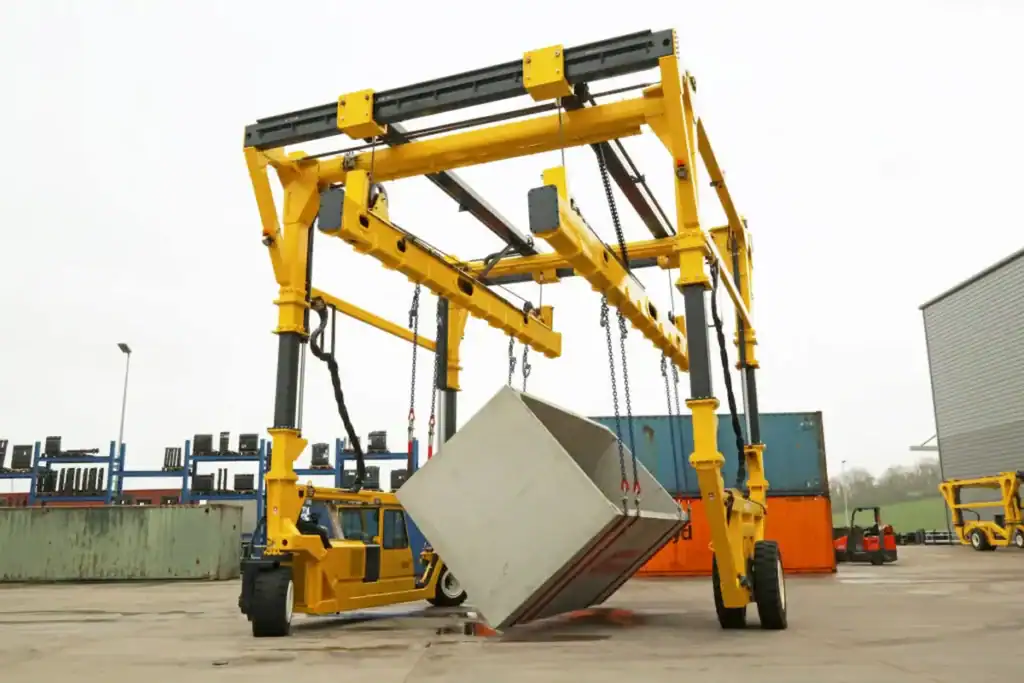
Why Do More Customers Choose HSCRANE Straddle Carrier?
In heavy asset investments worth millions, sentiment cannot convince purchasing committees. Only hard data and standards give answers. HSCRANE straddle carriers thrive globally because of our focus on engineering logic:
- Strict International Standards: Our straddle carrier designs strictly align with three major systems from the drawing phase. These include ISO 4301 for A7/A8 heavy-duty operations. They also follow FEM 1.001 Booklet 3 for crane fatigue calculations. Finally, EN 15056 covers mandatory container spreader safety. This is not just compliance. It guarantees a 20-year equipment lifespan.
- Custom Loads & Spans: We support non-standard loads from 20 to 60 tons. We also customize spans across single lanes or multi-track railways. We never force standard products onto your site.
- Modular Design & High-Strength Frame: Main bodies use high-strength low-alloy structural steel with high torsional resistance. Core hydraulic and electrical parts feature modular packaging. Replacing wearing parts on site is fast like building blocks. This significantly reduces maintenance downtime.
- Energy-Saving Drive System: Equipped with new variable-frequency drive systems, handling costs per container drop significantly. Built-in industrial PLC systems seamlessly connect with your TOS or ERP system.
- Reserved Smart Interfaces: Standard communication buses allow adding DGPS navigation and laser anti-collision anytime. This smoothly upgrades machines to Auto-SCs. It also connects to our 24/7 remote health monitoring cloud platform.
- Rich Global Handling Experience: Backed by decades in ports, railways, and heavy industry, HSCRANE provides complete support. We offer design drawings, global installation, commissioning, and lifecycle spare parts supply.
Conclusion
Purchasing a straddle carrier is never just checking specs, comparing prices, and signing contracts. It is a deep rehearsal for your enterprise’s operational efficiency over the next 20 years. We discussed matching scenarios precisely, planning power systems long-term, and preparing for automation upgrades. The 10 key questions listed above are essentially a highly valuable mine-clearing guide. You must finalize these details strictly before negotiations. This ensures you do not buy a gas guzzler or money pit. Instead, you get a capable assistant. It truly helps increase throughput and reduce per-container costs.
Is your project under planning but you remain unsure about selection details?
Do not let uncertainty slow down your project progress. Your site might be a crowded inland yard or busy seaport. HSCRANE’s senior engineering team is fully ready to help.
[Contact us immediately] — Get free site assessment services and customized 3D solution drawings. Let our professional experience save every penny of your trial-and-error costs.
FAQ
To boost your confidence in internal decisions, we compiled recent frequent questions. These are top focus areas when customers buy straddle carriers.
Q: How long is delivery for a customized straddle carrier from order to final handover?
A: It depends on customization. Standard models take 6 to 8 months. Complex designs like full automation take 9 to 12 months. Start technical discussions during your civil engineering phase.
Q: Can we upgrade a manual version to an Auto-SC later if budgets are tight?
A: Yes, but you must include hardware pre-installation initially. Choose the “Automation-Ready” configuration. We will pre-install wiring, LiDAR brackets, DGPS interfaces, and open PLC protocols. Later, just add sensors and software for a smooth transition.
Q: Can the straddle carrier handle extra-long pipes or heavy equipment alongside containers?
A: No problem. Its chassis clearance and gantry lifting capacity are core advantages. We design quick-change special spreaders for non-standard cargo. Switch easily between standard twist-locks, electromagnets, or heavy beams. This achieves multi-purpose use.
Q: How does HSCRANE guarantee after-sales and spare parts for remote overseas projects?
A: Waiting for parts is fatal. We use a double insurance strategy:
High Commonality Design: Core parts are globally guaranteed top brands. You can easily buy local replacements.
Remote Diagnostics & Local Support: Standard health monitoring modules allow quick cloud-based fault reading. We also dispatch local network technicians for complex issues.
This document is for reference only. Specific operations must strictly comply with local laws and regulations and equipment manuals.

Get Expert Advice for Your Bridge Project
Our engineering team brings decades of experience in bridge construction equipment. Let us help you find the right solution.