 EN_US
EN_US  Español
  Русский
  العربية
  Português do Brasil
  Français
  Bahasa Indonesia
  Türkçe
  Tiếng Việt
  Bahasa Melayu
  Українська




 Technical Insight
Technical Insight
How Does a Beam Lifting Gantry Crane Work? Technology Behind Bridge Beam Handling
Overview
At bridge construction sites, the beam lifting gantry crane plays a more critical role than you think. It is not just a handling tool, but the “central nervous system” of the entire beam yard. Many contractors only focus on lifting capacity when selecting a beam lifting gantry crane. They often ignore how hydraulic synchronization or frequency conversion systems affect efficiency and safety.
This article skips dry theoretical definitions. It focuses directly on front-line operations. We will detail the structural logic and workflow of the beam lifting gantry crane. We also explain how hydraulic and electrical systems achieve millimeter-level precision. Whether you are a site manager facing complex conditions or a purchasing decision-maker, this guide helps. This guide shows key pitfalls in choosing a beam lifting gantry crane. It helps you evaluate the best “steel partner” for your project. This will reduce operational risks and improve hoisting efficiency.
Need a High-Performance Beam Lifting Gantry Crane for Your Bridge Project?
HSBRIDGE focuses on bridge construction equipment R&D. We know that each beam lifting gantry crane works under unique conditions. We do not just provide standard equipment. A customize your beam lifting gantry crane based on beam size, span, and terrain.
[Contact us now for a free technical solution]
What is a Beam Lifting Gantry Crane? Why is it Key for Bridge Construction?
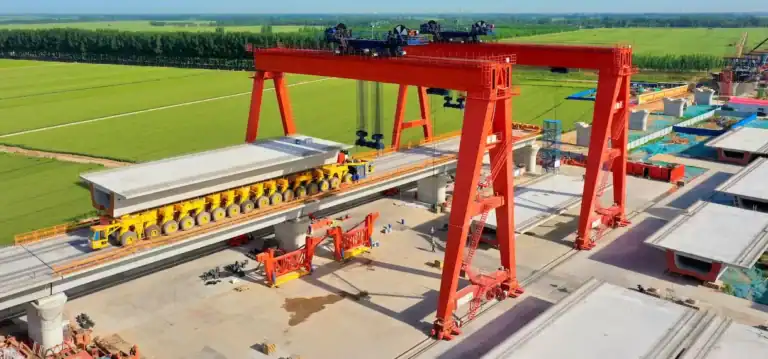
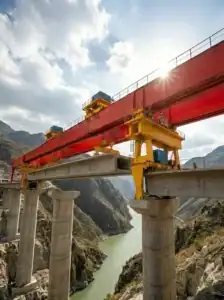
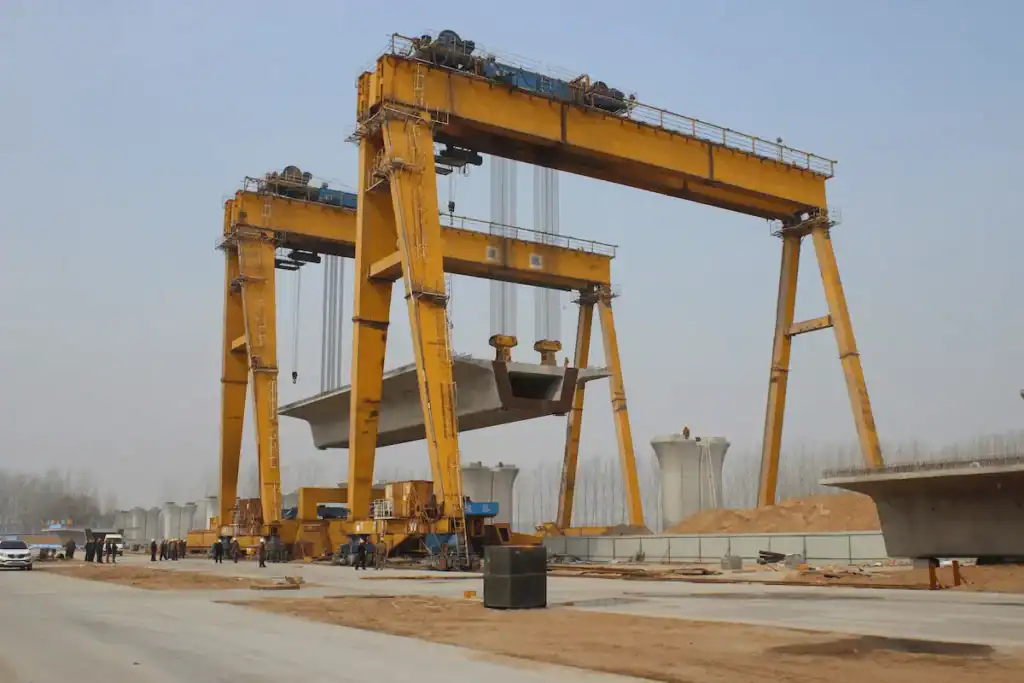
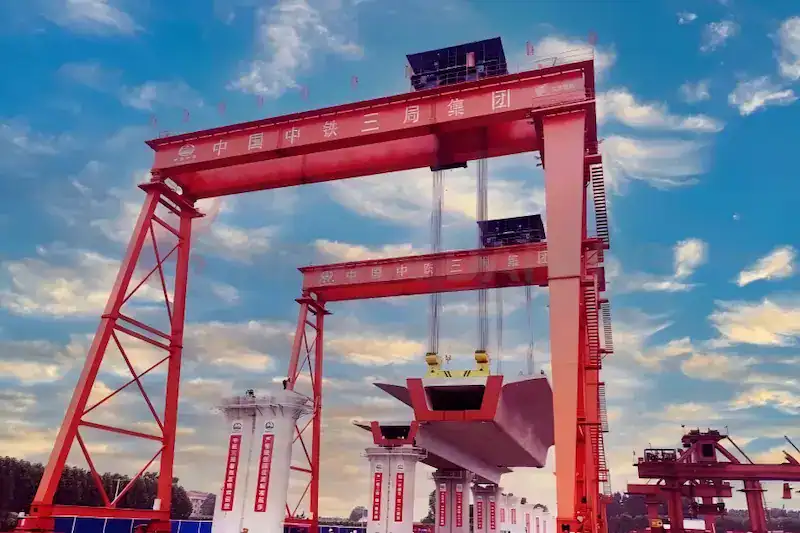
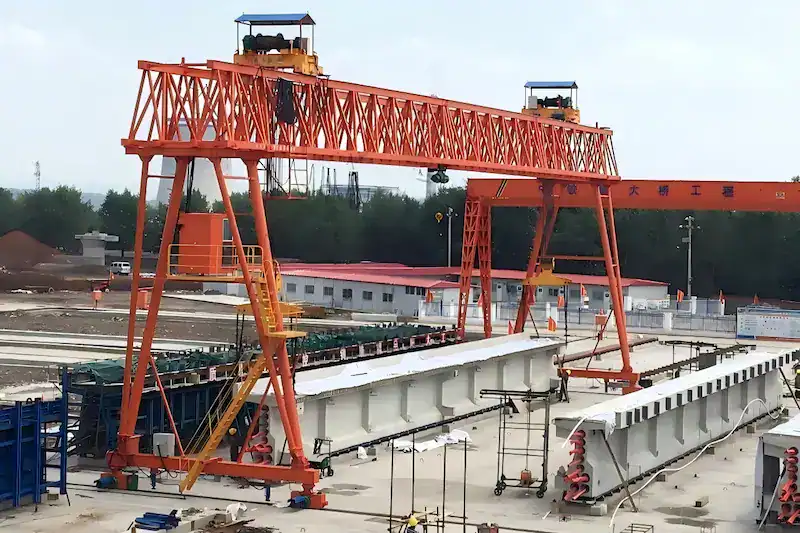
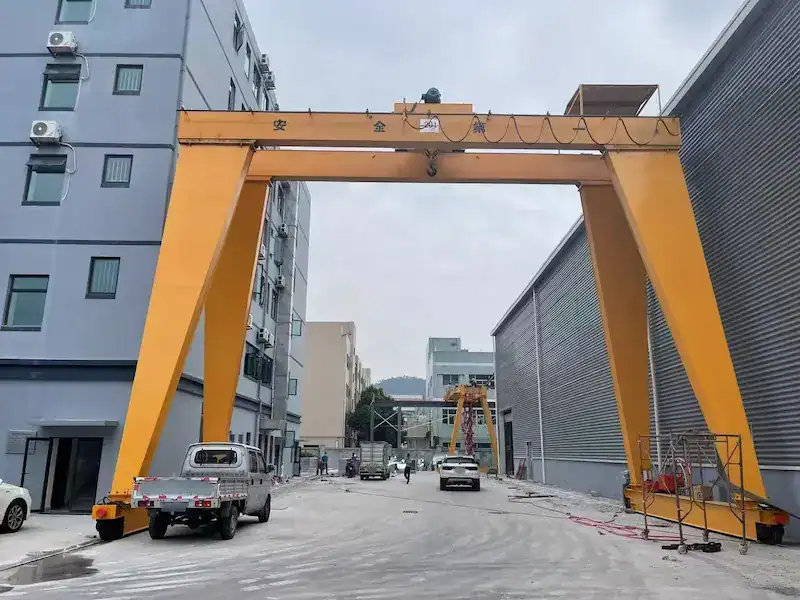
A beam lifting gantry crane is a specialized gantry crane. It is designed to handle and hoist large precast concrete beams. This includes T-beams, box beams, and U-beams. Unlike indoor general-purpose cranes, a beam lifting gantry crane handles loads weighing hundreds or thousands of tons. It must have immense strength and extremely high synchronization control accuracy. This prevents the beam from twisting or suffering damage from unbalanced loads.
Main Application Scenarios of the Beam Lifting Gantry Crane
In modern bridge construction, precast beam yards always require a beam lifting gantry crane. Its main applications are concentrated in the following fields:
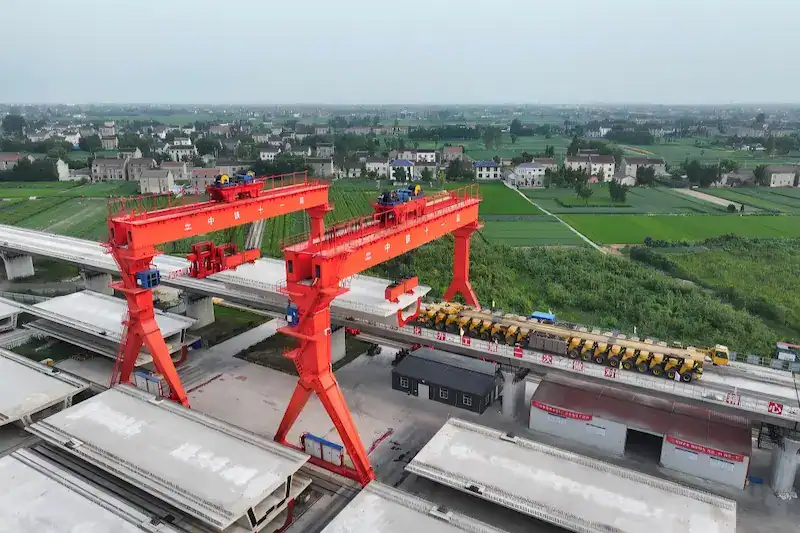
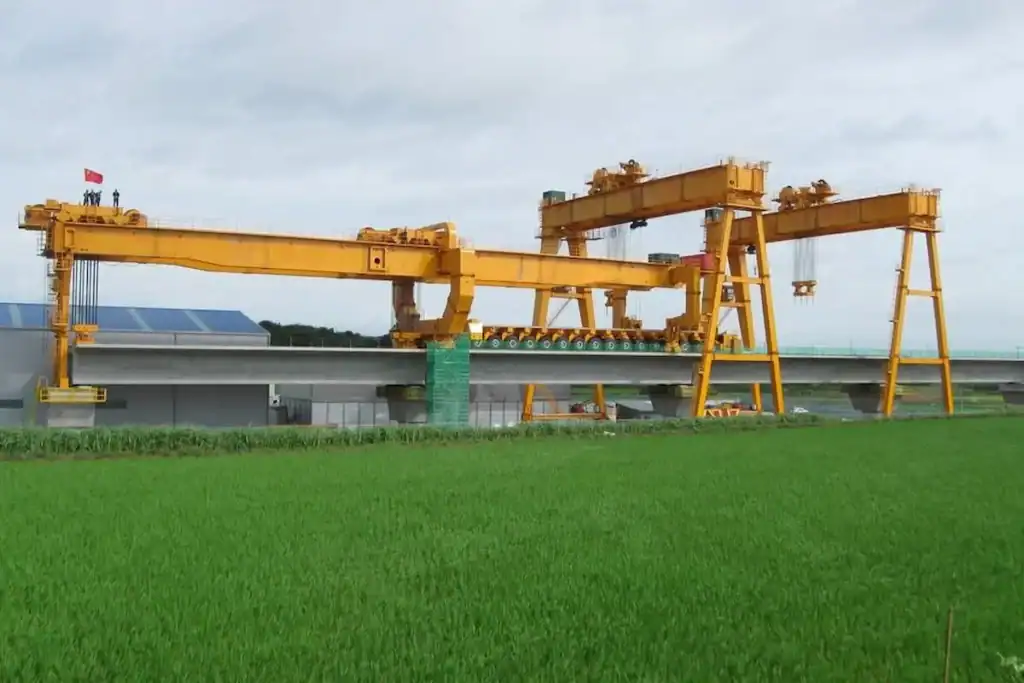
- High-Speed and Intercity Railway Bridges: For thousand-ton double-line box beams, two beam lifting gantry cranes lift together. This requires extremely strict synchronization.
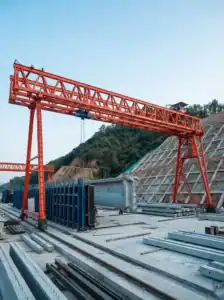
- Highway Bridges: It handles frequent transfer of large-span T-beams or box beams between production and storage yards.
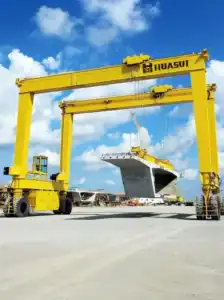
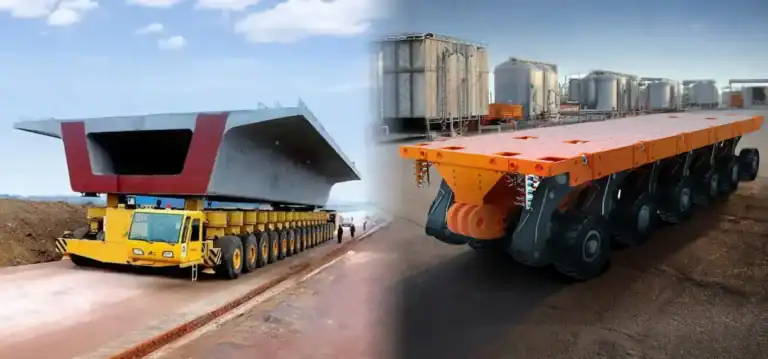
- Municipal Viaducts: With limited site space, a rubber-tyred beam lifting gantry crane is often used. This allows flexible heavy-load steering and displacement.
- Beam Yard Handling and Loading: It accurately hoists finished precast beams onto transporters for feeding.
- Bridge Deck Transport: It works with beam transporters on finished decks to feed the bridge launching gantry.
Differences Between the Beam Lifting Gantry Crane and Other Lifting Equipment
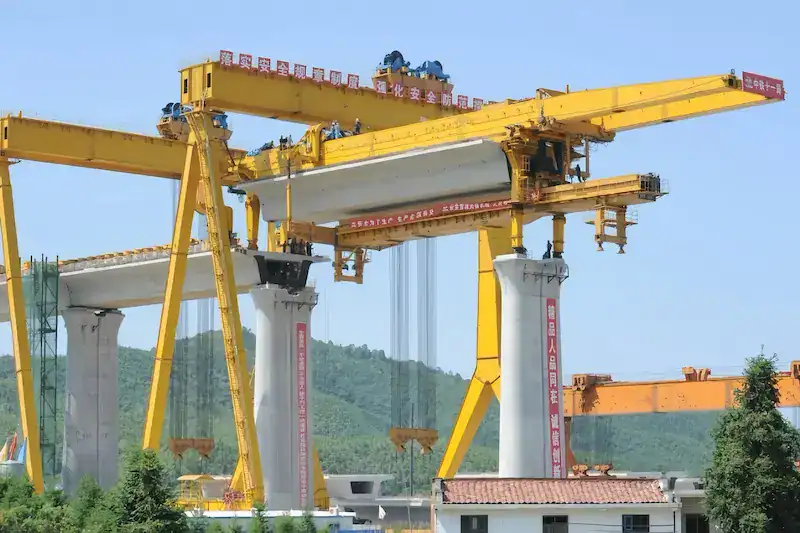
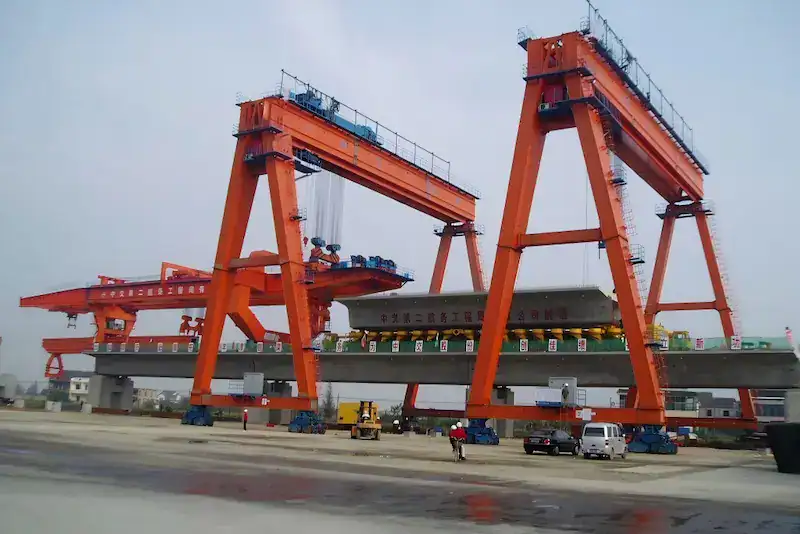
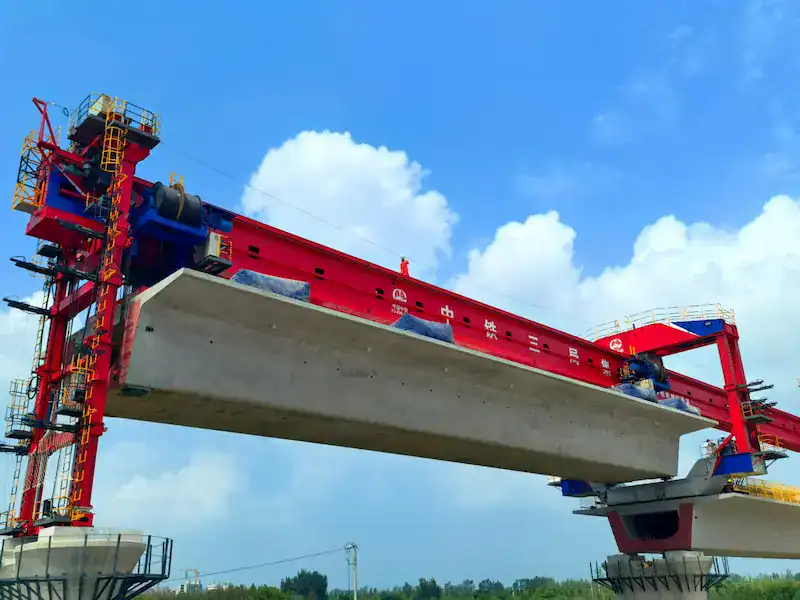
A common industry mistake is confusing a beam lifting gantry crane with a bridge launching gantry. Simply put, the beam lifting gantry crane handles moving and feeding. The bridge launching gantry handles cross-pier installation. To help you choose the right equipment, we have prepared the following comparison list:
| Equipment Name | Main Purpose | Cross-Pier Installation? | Typical Site |
| Beam lifting gantry crane | Handling, storing, transferring, and loading beams | No | Precast yards, finished bridge deck transport routes |
| Bridge launching gantry | Installing transported beams onto bridge piers | Yes | Pier installation sites (the construction frontline) |
| General gantry crane | Outdoor hoisting of general materials like rebar and formwork | No | Material yards, ports, outdoor factories |
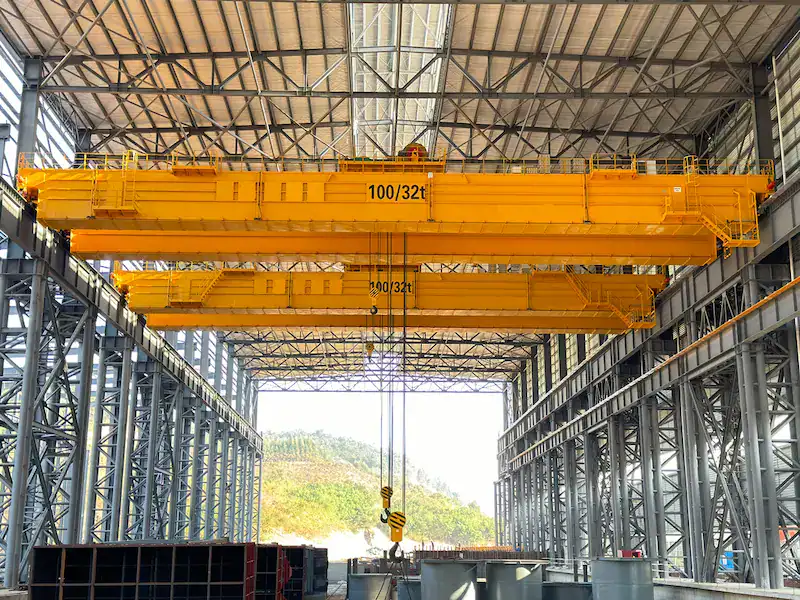
| Overhead crane | High-frequency indoor hoisting at fixed spots or tracks | No | Indoor workshops, machining shops |
Project Pitfall Guide: The beam lifting gantry crane does not directly erect bridges. However, it is the “blood pump” of the entire erection progress. If the beam lifting gantry crane is inefficient or fails, other equipment must wait. This directly causes the entire project to stall.
Structural Composition and Component Functions of the Beam Lifting Gantry Crane
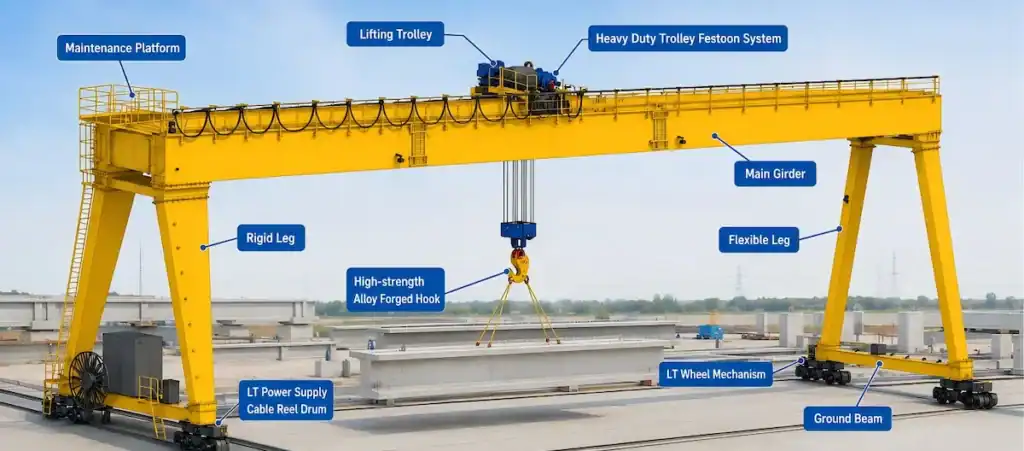
Evaluating a beam lifting gantry crane means looking beyond total tonnage. You must dissect its “skeleton” and “nervous system” to prevent disasters.
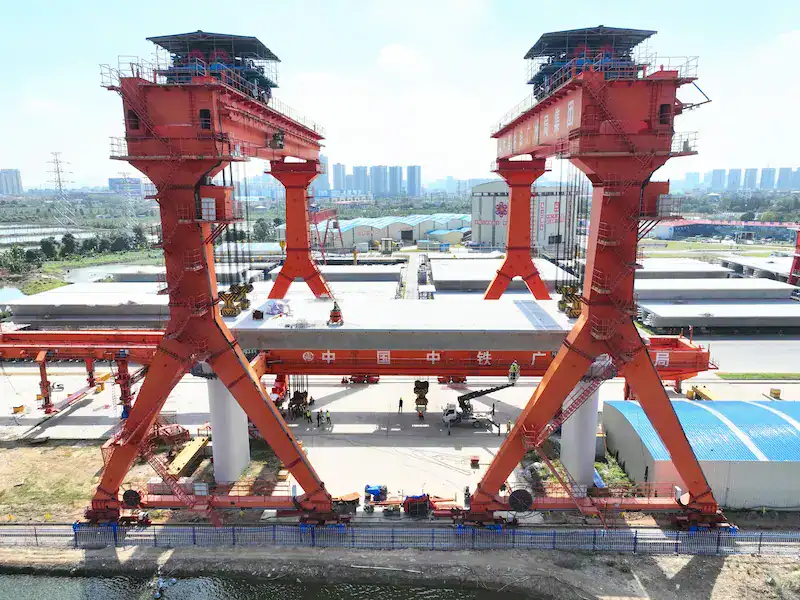
We break down its core structural components and engineering roles:
| Core Components | Structural Features | Actual Engineering Functions |
| Main Girder System | High-strength steel box/truss with FEA optimization. | Bears huge weight and dynamic impacts. Keeps deflection within safe limits. |
| Leg System | “One rigid, one flexible” design with large span. | Releases temperature deformation stress. Allows wide transporters to pass smoothly. |
| Hoisting Mechanism | Heavy-duty winches, ropes, and customized equalizer beams. | Distributes gravity evenly. Prevents concrete cracking from local overload during lifting. |
| Traveling Mechanism | Rail-mounted multi-wheel bogies or rubber-tired steering. | Rail type ensures stable straight lines. Tire type allows multi-directional steering. |
| Control System | Integrated PLCs, VFDs, sensors, and hydraulic valves. | Controls synchronization during dual-crane linkage. Achieves millimeter-level lowering. |
Looking for Reliable Lifting Solutions for Beam Yards?
Wind loads and ground settlements challenge a beam lifting gantry crane’s strength. HSBRIDGE rejects standard templates. We analyze your wind load, bearing capacity, and drawings to deliver strictly calculated custom designs.
Worried about hoisting risks in special conditions? [Submit your project parameters immediately] for a custom structural design draft and safety report!
How Does a Beam Lifting Gantry Crane Work? Complete Workflow Analysis
Hoisting hundreds or thousands of tons of precast beams is not simply “pulling up and putting down”. It tests equipment mechanical performance. It also strictly reviews the entire control system and operating specifications. In actual high-speed rail or highway yards, a beam lifting gantry crane cycle strictly follows these four stages:
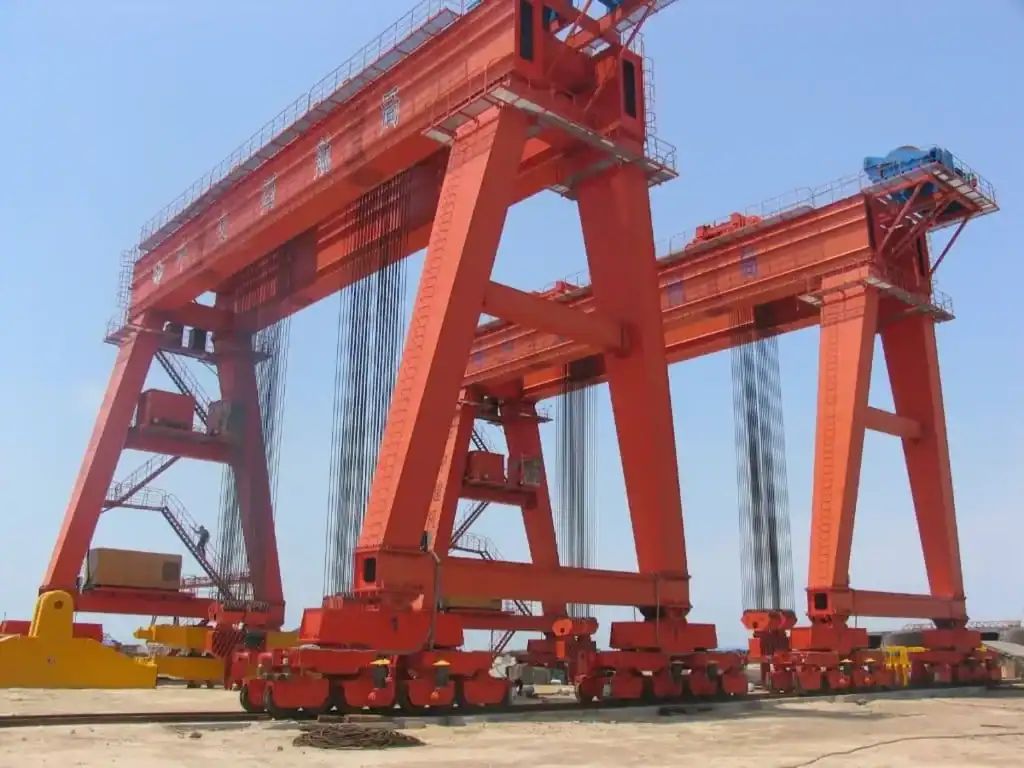
Stage One: Beam Inspection and Spreader Installation
Experienced lifting commanders know that hoisting accidents often originate before equipment leaves the ground. This stage focuses on stress analysis and connection confirmation.
- Beam Center of Gravity Confirmation: Not all precast beams are absolutely symmetrical. Examples include curved bridges or variable-cross-section box beams. Before installing spreaders, strictly check the gravity center against drawings. If calculations deviate, the beam will tilt severely upon lifting.
- Lifting Point and Embedded Part Inspection: Concrete has limited tensile strength. You must ensure lifting point positions are perfectly accurate. Also, pad special corner protectors where wire ropes contact beam edges. This prevents damage to the concrete structure and avoids cutting ropes.
- Wire Rope Pre-tensioning Test: Winches must never exert direct force initially. Operators must slowly tighten ropes using “inching” mode. Stop operations to check if all rope strands bear stress evenly. Check if the equalizer beam is jammed before proceeding.
Stage Two: Stable Hoisting
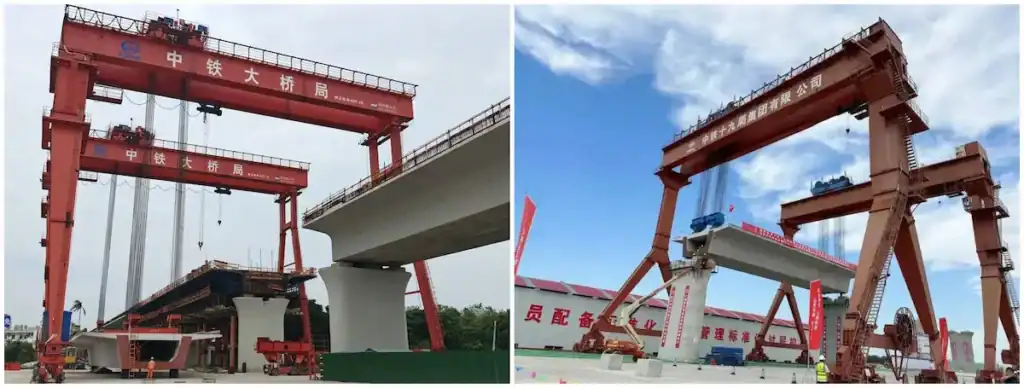
The moment the beam leaves the ground, the beam lifting gantry crane faces massive stress mutations. The rule here is: better slow than rushed.
- Slow Startup and Impact Load Prevention: Huge beams have great static friction and adsorption on the ground. The hoisting mechanism must start at extremely low frequencies for smooth stress transitions. Sudden pulling creates instant impact loads. This could snap ropes or cause irreversible fatigue damage to main girders.
- Strict Unbalanced Load Prevention: When dual trolleys or two beam lifting gantry cranes work together, inconsistent speeds cause unbalanced loads. The control system must monitor loads on both sides in real-time. It ensures beams rise steadily in a horizontal posture. They must clear the pedestal and reach a safe driving height.
Stage Three: Beam Transportation
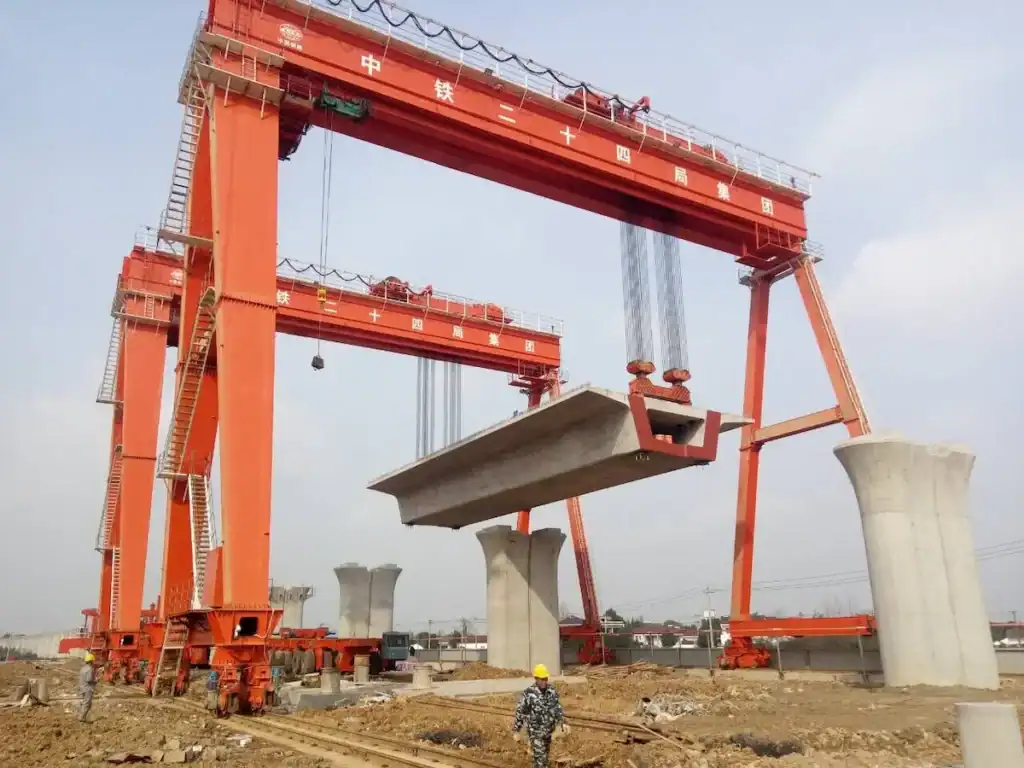
When beams hang in mid-air for site transfer, the beam lifting gantry crane faces huge inertia challenges.
- Transverse and Longitudinal Movement Coordination: The beam lifting gantry crane’s bridge and trolley must move cooperatively. This depends on transporter positions or yard layouts. In space-limited yards, this requires excellent vision and operational coordination.
- Frequency Conversion and Sway Suppression: Hundreds of tons moving create a pendulum effect with amazing destructive power. Modern high-performance beam lifting gantry cranes use VFD technology extensively. This achieves stepless speed regulation for bridges and trolleys. This flexible start-stop mechanism eliminates mechanical jerks. It minimizes beam inertia swaying.
Stage Four: Precise Beam Lowering
Placing beams steadily on transporters or pedestals is the final step. It requires the highest positioning accuracy.
- Micro-motion Control (Inching Mode): When beams are mere centimeters from the support, operators switch to micro-speed mode. The hoisting mechanism lowers at an extremely slow speed. This leaves ample fine-tuning time for ground personnel.
- Hydraulic Synchronization and Millimeter-level Positioning: In dual-crane lifting, lateral hydraulic or electrical synchronization systems are vital. All four beam fulcrums must touch supports simultaneously and evenly. Premature stress on any side causes local stress concentrations and hidden cracks. With high-precision encoders and algorithms, the beam lifting gantry crane controls final errors within millimeters.
Field Record: Many beam yards rush schedules and ignore rope pre-tensioning or micro-motion lowering. This accelerates equipment wear. A mature beam lifting gantry crane control system reduces operator fatigue. It is also the last defense for enforcing safety norms.
How Hydraulic and Electrical Systems Ensure Safety
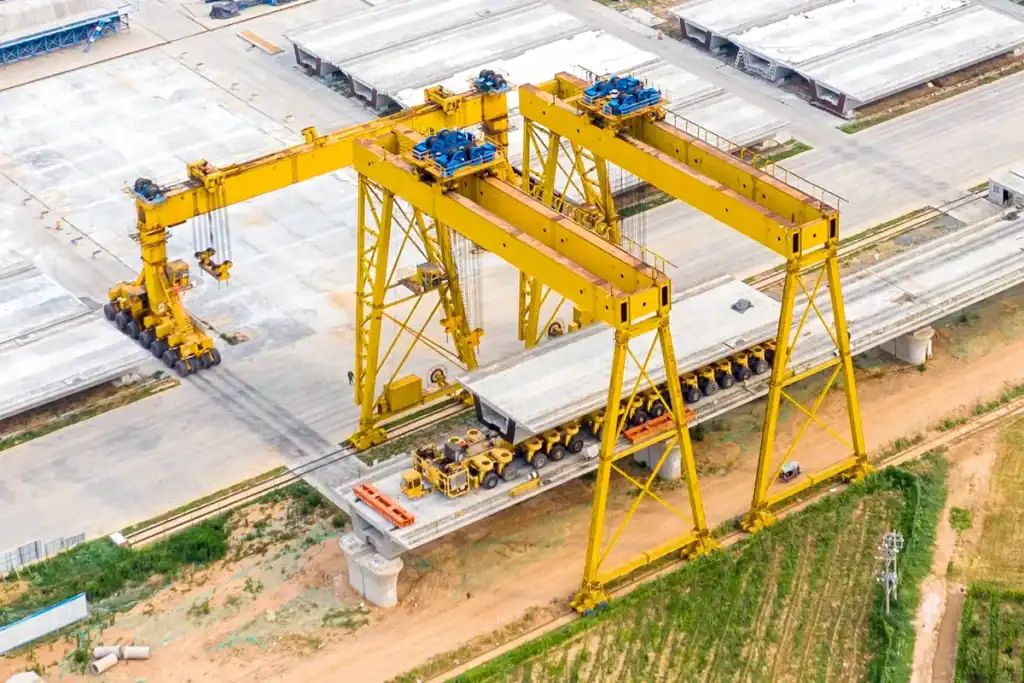
Operating a massive hundred-ton machine requires more than just human eyes and feelings. Modern beam lifting gantry cranes avoid raw mechanical force. High-end hydraulic and electrical control systems guarantee absolute safety.
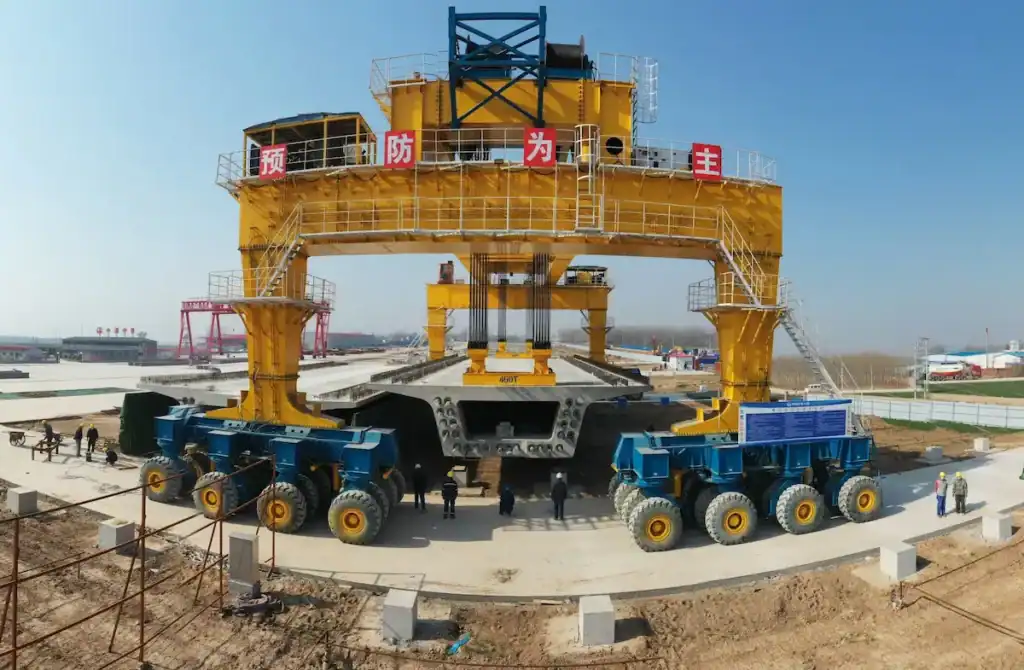
Hydraulic Synchronization Control
During dual-crane lifting or large-span traveling, tiny displacement differences cause severe skewing. This skewing damages rails or causes overturning.
- Anti-overturning Function: Built-in valves and sensors monitor leg travel on the beam lifting gantry crane. If deviations occur, the system adjusts hydraulic flow in milliseconds. This corrects the path and keeps travel smooth.
PLC Automatic Control
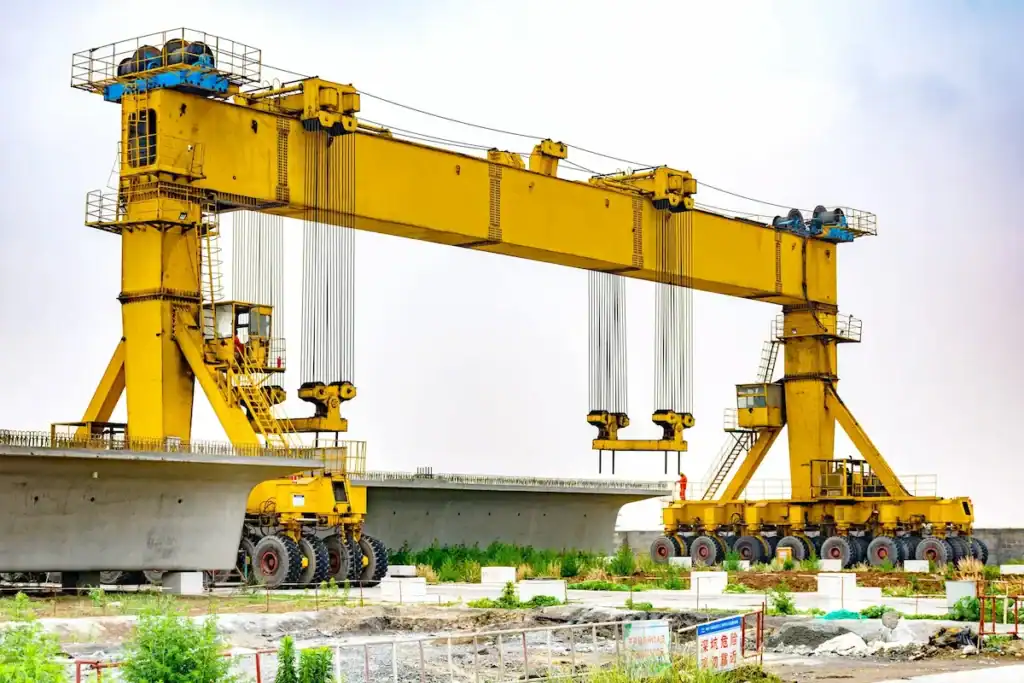
Human errors are inevitable. A PLC system stops dangerous movements before they start.
- Sequence Control and Interlock Protection: Strict logical locks prevent errors. The hoisting motor cannot start if brakes are not fully released. This prevents motor damage or hook slipping.
- Automatic Alarm Mechanism: During overload, over-limit, or overheating, the PLC triggers sound and light alarms. It cuts dangerous circuits to stop operations.
Intelligent Monitoring System
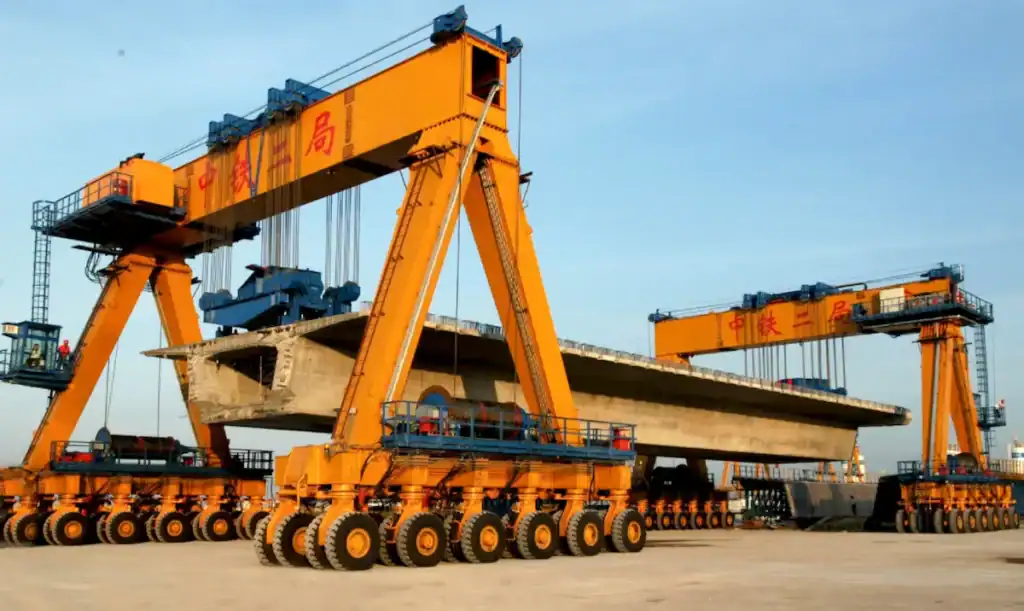
The beam lifting gantry crane uses a comprehensive sensor network for complex outdoor environments.
- Laser Ranging and Anti-collision: Sensors measure safe distances between multiple machines. They automatically decelerate or stop the machine.
- Absolute Encoder: This records real-time hook heights. It provides precise data for millimeter-level lowering.
- Anemometer: If wind speeds exceed safe thresholds (level 6), the sensor stops the beam lifting gantry crane. It prompts operators to lock windproof shoes.
- Remote Diagnosis (IoT): Engineers read fault codes via the cloud. They provide remote repair plans quickly, reducing downtime.
Evaluating Performance: Parameters and Selection Guide
Many contractors buy cranes based only on beam weight. This leads to constant failures or wasted budget. To choose the right beam lifting gantry crane, evaluate these core parameters:
| Parameter | Significance | Selection Advice |
| Rated Capacity | It decides safe hoisting weight. This is a critical factor. | Choose 1.25 times the heaviest beam. Safety margins handle extra loads from water or mold. |
| Span | It decides horizontal coverage. This affects space utilization. | Calculate span using the layout. It must cover pedestals, storage, and transporter routes. |
| Lifting Height | Insufficient height prevents safe loading onto transporters. | Meet clearance needs. Consider storage layers, transporter heights, and spreader space. |
| Travel Speed | It directly affects lifting efficiency and cycle times. | We highly recommend VFD controls. Move slowly for stability. Empty cranes can travel faster. |
| Duty Class | Lower classes fail during continuous high-strength operations. | Choose class A6 or higher for active yards. Do not downgrade to save money. |
Expert Selection Tip: Parameters are just the first step. Two beam lifting gantry cranes with identical capacities differ in performance. This depends on steel thickness, motor brands, and controls. Focus on core component quality when comparing quotes.
Why Choose the HSBRIDGE Beam Lifting Gantry Crane?
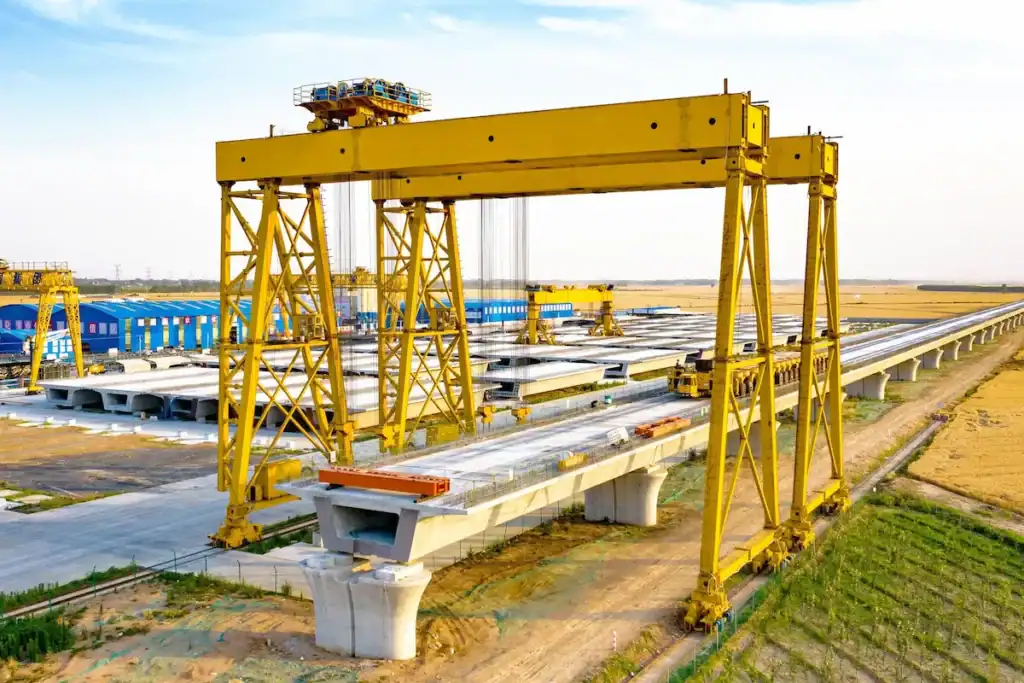
For billion-dollar bridge projects, a beam lifting gantry crane is no simple consumable. It is a core asset ensuring project progress. From steel cutting to electrical debugging, HSBRIDGE rejects mediocrity. We use strict international standards to protect you:
- Strict European Design Standards: Every drawing passes strict third-party inspections. Equipment structural design strictly follows EN 13001-3-1 and FEM 1.001. This ensures absolute stability under complex eccentric and wind loads.
- FEA Optimization: We reject traditional bulky designs. Through 3D stress simulation, we reduce weight while maintaining wind and torsion resistance. This lowers wheel pressure. It directly saves you huge yard foundation treatment costs.
- High-Strength Steel Box Girder: Materials and manufacturing meet ISO 4301-1 work level requirements. Main girders use Q355B or higher high-strength steel plates. Fully penetrated automated welding greatly improves fatigue resistance. It easily handles high-frequency, large-tonnage continuous yard operations.
- PLC Smart Control Center: Strong hardware needs a smart brain. We integrate Siemens or Schneider high-level PLCs. They include dozens of interlock protections like anti-rope-break. It acts as a tireless safety officer monitoring construction limits.
- VFD Drive Technology: Say goodbye to mid-air swaying during heavy hoisting. Crane travel and hoisting mechanisms use closed-loop VFD technology. This achieves smooth stepless speed regulation. Heavy loads start and stop smoothly, minimizing physical beam swing.
- Custom Design Support: We never force clients to adapt. We handle ultra-wide high-speed rail box beams or variable-cross-section T-beams. Span, headroom, and spreaders are custom-made based on your drawings.
- Global After-Sales Service: We know downtime costs thousands daily. HSBRIDGE supports remote IoT diagnostic modules. Together with our fast global network, parts and repair plans reach you instantly.
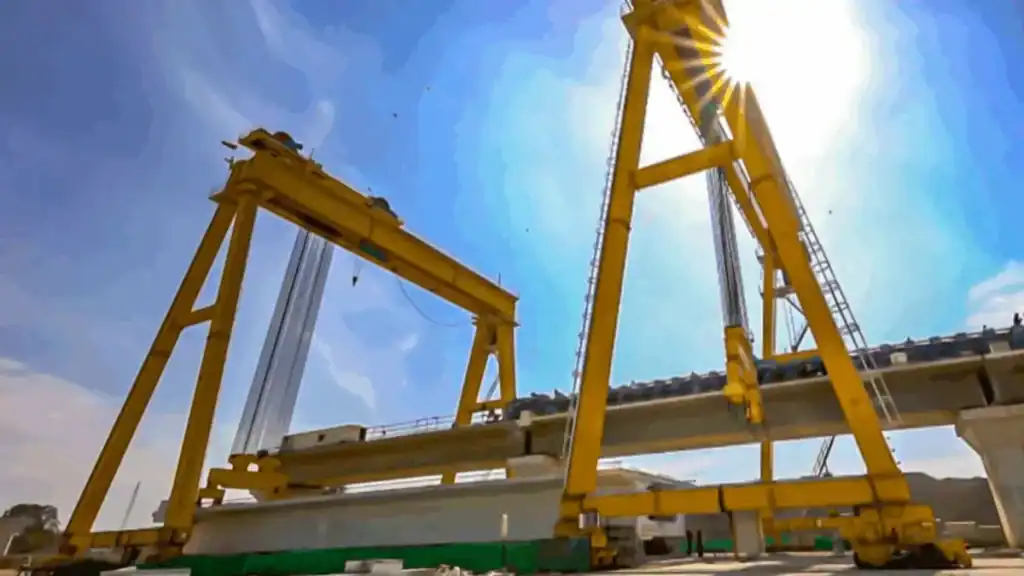
HSBRIDGE Classic Case: Lifting Solutions for Large Bridge Projects
Real construction sites present unexpected challenges. Here is how HSBRIDGE solved extreme conditions for a major client.
- Client: PT Waskita Karya (Indonesia).
- Project: Southeast Asia cross-sea highway.
- Scope: Transfer 650 precast box beams (380 tons each) within 18 months.
The Client’s Challenges:
- Harsh Climate: Tropical coastal heat, humidity, and heavy rain risked short-circuiting standard electrical parts.
- Soft Ground: Reclaimed soil risked track settlement. Excessive wheel pressure of a beam lifting gantry crane could cause derailment.
- Tight Schedule: Zero error margin with a target of lifting four beams daily.
HSBRIDGE‘s Custom Solution:
We delivered two 200t+200t dual-trolley VFD beam lifting gantry cranes with custom upgrades:
- Lightweight Design: A composite “box + truss” structure reduced wheel pressure by 15% while resisting level-12 typhoons.
- IP65 Protection: Stainless steel cabins with industrial AC isolated electrical parts from rain and salt.
- Master-Slave Linkage: One operator synchronized both cranes. The closed-loop VFD kept synchronization errors under 5mm.
Project Results:
- Achieved zero core component failures over 16 consecutive months.
- VFD micro-motion cut beam lowering time by a third, boosting efficiency by 20%.
- Completed the project 25 days early, earning the client a progress guarantee award.
Conclusion
In large bridge projects, profits are squeezed from “no rework, no downtime.” Choose the right beam lifting gantry crane. You buy project-long progress guarantees and safety commitments, not just steel.
A poorly designed equipment brings maintenance hassles. It also brings fatal risks of dropping heavy concrete beams. Whether you face standard T-beams or wide box beams, it must match site conditions. It needs matched capacity, span, and controls to be your worry-free steel center.
Ready to Purchase Equipment for Your Next Large Bridge Construction?
Stop struggling with standard online parameter tables. Give us your yard layout, heaviest beam parameters, and working pain points. HSBRIDGE’s engineering team will provide a customized design draft with visible returns.
[Contact us now] for free site technical solutions, exclusive equipment guidance, and transparent quotes.
Further Reading: How to Control the Project Procurement Budget?
Selecting bridge construction equipment parameters is only the first step. Under tight budgets, how do you match cranes and transporters to eliminate hidden financial waste?
Click to view: [Bridge Construction Equipment Selection and Cost Control Guide (2026)]. This helps spend every equipment budget wisely.
FAQ
Q: How to distinguish a beam lifting gantry crane from an erecting machine?
A: Just remember their core roles. The equipment works in the yard to handle and load beams. The erecting machine stands on piers to install beams. One never goes on piers, one must.
Q: How do I calculate the required tonnage for a beam lifting gantry crane?
A: Never order by beam net weight! The formula is: heaviest beam weight × 1.25 plus spreader weight. For a 160-ton beam, we highly recommend a 200-ton beam lifting gantry crane. Never run it at max load long-term.
Q: Can the beam lifting gantry crane be customized for limited yard space?
A: Yes, absolutely, you must customize. We offer 1-on-1 non-standard customization. We customize capacity, span, and tire steering to your drawings.
Q: What practical problems does PLC smart control solve?
A: PLC changes personal experience into rigid system protection. It auto-stops the beam lifting gantry crane if a leg deviates. It is your ultimate steel firewall against illegal operations.
Q: How can site managers maximize hoisting safety?
A: Hardware and management are indispensable.
Hardware: Closely check synchronization systems, absolute encoders, anemometers, and overload limiters.
Management: Strictly enforce trial hoisting and forbid unbalanced lifting. Stop work when wind exceeds level 6.
This document is for reference only. Specific operations must strictly comply with local laws and regulations and equipment manuals.

Get Expert Advice for Your Bridge Project
Our engineering team brings decades of experience in bridge construction equipment. Let us help you find the right solution.