 EN_US
EN_US  Español
  Русский
  العربية
  Português do Brasil
  Français
  Bahasa Indonesia
  Türkçe
  Tiếng Việt
  Bahasa Melayu
  Українська


 Technical Insight
Technical Insight
Bridge Girder Launcher Maintenance: Best Practices for Longevity and Safety
Overview
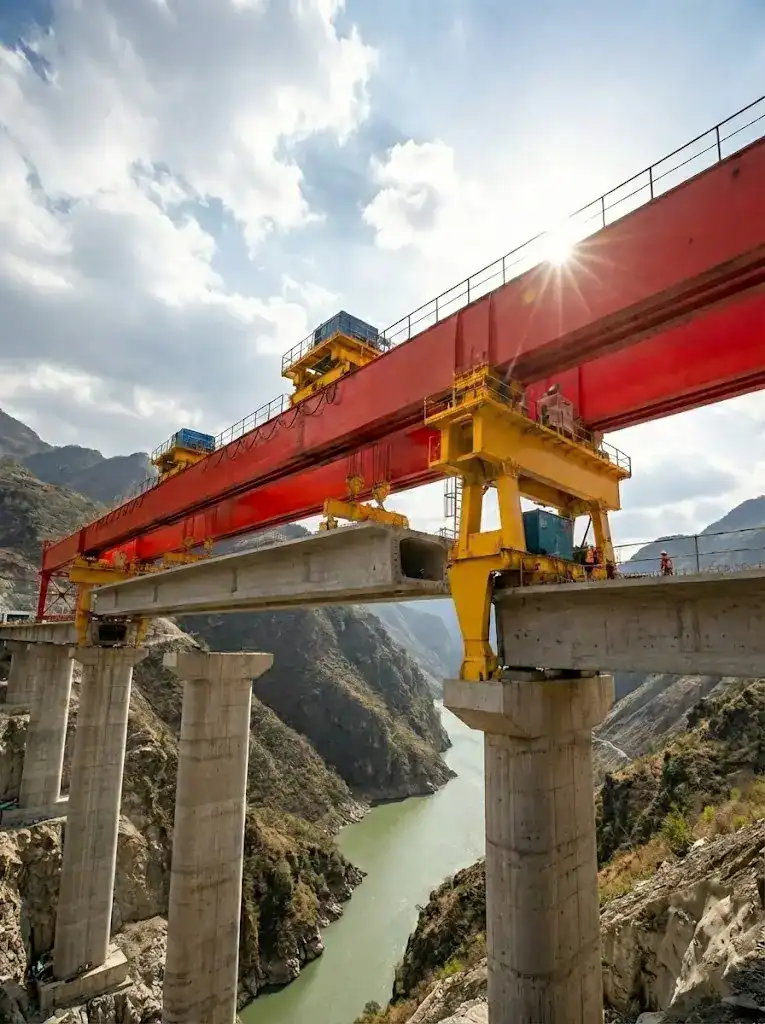
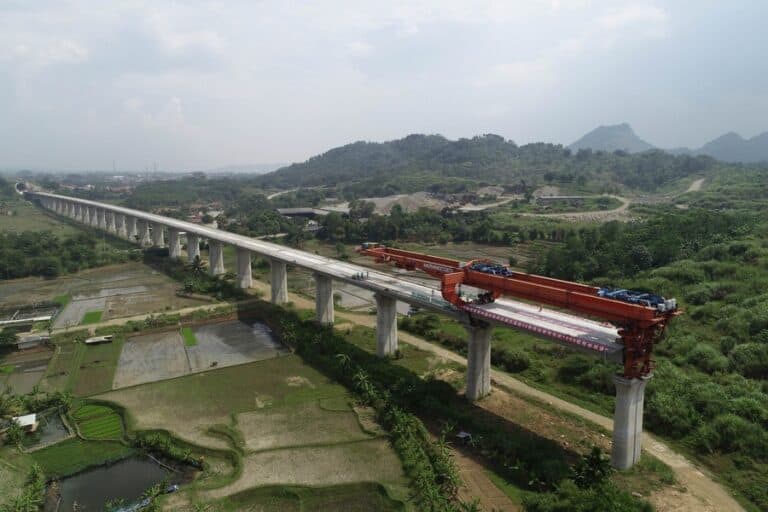
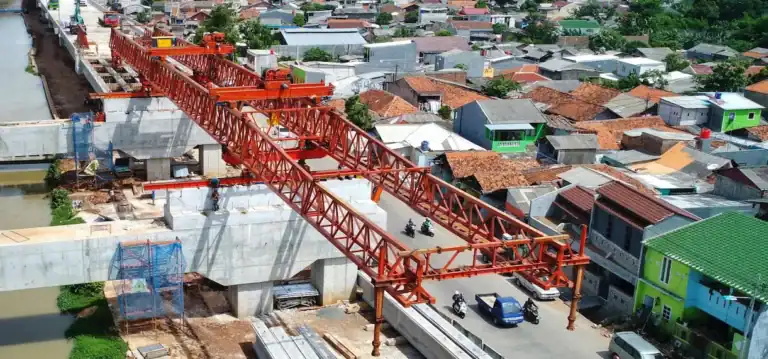
A bridge girder launcher is a construction site giant. It works aloft under heavy loads long-term. Any failure in mechanical, hydraulic, or electrical systems delays projects. Severe issues can even cause fatal accidents. Therefore, daily bridge girder launcher maintenance is essential. It is much wiser than emergency repairs.
This article skips empty theories. We focus on real on-site pain points instead. We provide a practical, ready-to-use maintenance guide. It covers daily pre-shift inspection checklists. It includes standard weekly, monthly, quarterly, and annual plans. We target critical components for specific maintenance. We also cover troubleshooting and safety system testing. The goal is very simple. We help teams secure safety screws. This reduces downtime and extends equipment life.
Finding it hard to focus on site maintenance?
Click here for HSBRIDGE professional solutions. Let our senior engineers customize your safety and efficiency plan.
Why Is Bridge Girder Launcher Maintenance So Important?
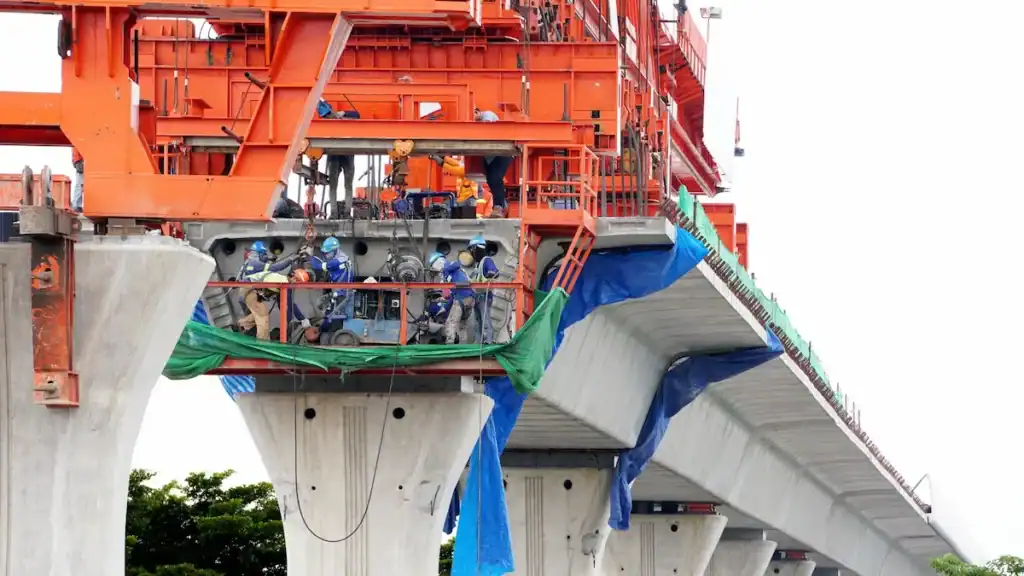
- Direct link between maintenance and construction safety: A bridge girder launcher performs high-altitude balance work. It handles hundreds or thousands of tons. One loose high-strength bolt, cracked weld, or faulty valve causes disasters. On-site maintenance is not for inspection. It is a safety insurance for workers.
- Reducing downtime costs: Bridge construction follows a strict sequence. If the launcher breaks down, all transport trucks and concrete stations stop. Hundreds of workers will sit idle. Daily shutdown losses easily reach tens of thousands. Spending one or two hours on inspections prevents unexpected shutdowns. Changing worn seals kills risks early.
- Extending bridge girder launcher lifespan: These machines cost millions of dollars. No owner wants oil leaks or structural deformation within three years. Maintain it like a car. Grease bearings and lubricate wire ropes regularly. Conduct non-destructive testing on time. This keeps the machine solid, maintains good condition, and raises resale value.
Bridge Girder Launcher Daily and Pre-Shift Inspection Procedures
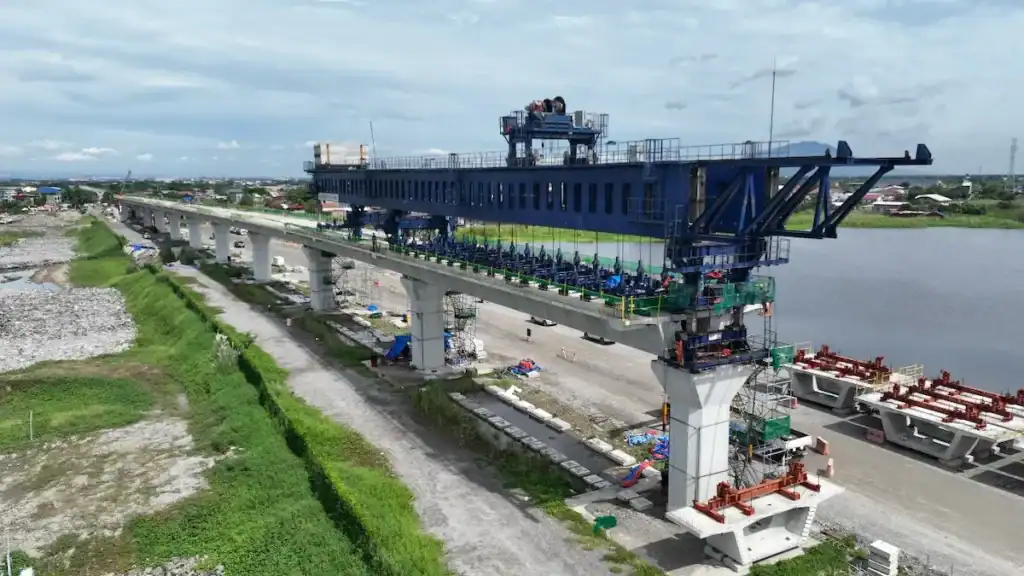
The half-hour check before starting is critical. It is the final safety barrier for workers. Operators and engineers must follow this routine daily. Do not wait for heavy beams to hang mid-air. Finding leaks or limit failures then is too late.
Here are the core points for daily inspections. We recommend printing this out as a mandatory checklist before work:
| Inspection Module | Key On-Site Inspection Areas | Confirmation Standards & Troubleshooting Focus |
| Structural Parts | Main girder connections; high-strength bolt joints; core weld zones. | The steel structure suffers heavy fatigue daily. Check for visible micro-cracks or deformations. Look for severe rust from outdoor exposure. Retighten any loose bolts to specified torque immediately. |
| Hydraulic System | Hydraulic oil level; hose wear; loose joints; leakage points. | The hydraulic system is the launcher’s muscle. Refill oil immediately if it runs low. Check hoses for aging, cracks, or scratches. Inspect joints and cylinders for any leaks. Even tiny leaks can cause sudden pressure loss. |
| Safety Devices | Emergency stop buttons; limit switches; travel protection; alarms. | Test each safety device before your shift. Ensure the emergency stop cuts power instantly. Check if limit switches stop the machine immediately. Ensure alarms are loud enough. Never start operations if any defense fails. |
| Lubrication System | Centralized lubrication points; wire rope drums; critical large bearings. | Running under heavy loads without oil causes damage. Ensure all pins and sliders have enough grease. Wire ropes must not be dry. They must be fully lubricated without broken strands. Listen for harsh friction noises during empty tests. |
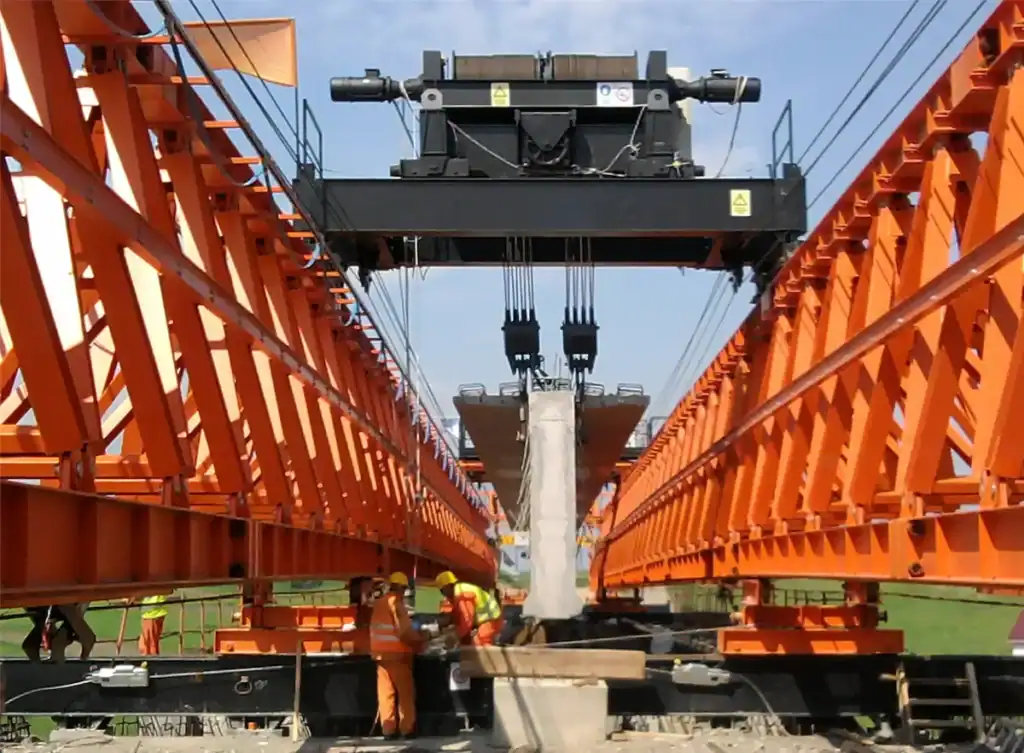
Pre-Shift Inspection Checklist
We created a standard English Pre-Shift Inspection Checklist. This benefits international project departments and overseas teams. The form is designed for front-line workers. It allows easy checking and ensures clear accountability.
【Click to Download: HSBRIDGE Bridge Girder Launcher Pre-Shift Inspection Checklist】
Bridge Girder Launcher Preventive Maintenance Plan
Daily checks before starting are not enough. This high-risk equipment requires a regular maintenance ledger. Establishing standard maintenance cycles saves money and prevents disasters. This is the best way to avoid unexpected downtime.
We recommend construction units strictly follow this preventive maintenance schedule:
| Maintenance Cycle | Core Maintenance Tasks | On-Site Goals & Troubleshooting Logic |
| Weekly Maintenance | 1. Tighten all bolts on key load-bearing parts. 2. Check wire ropes for wear and broken strands. 3. Clean hydraulic and air filter elements. 4. Inspect cable tracks and fixed dead ends. | Nip risks in the bud. Focus on fixing loose parts caused by weekly vibrations. Clean clogged filters to prevent impurities from damaging the hydraulic system. |
| Monthly Maintenance | 1. Test overload limiters and safety protection devices. 2. Recalibrate wind speed and travel sensors. 3. Inspect hoisting and traveling brake systems. 4. Listen to hydraulic pumps for abnormal noises. | Inspect core execution and safety mechanisms deeply. Ensure brakes hold heavy loads safely mid-air. Guarantee all system feedback signals remain perfectly accurate. |
| Quarterly Maintenance | 1. Conduct non-destructive testing on main girder welds. 2. Check reducer oil for metal debris. 3. Test the hydraulic system pressure for leaks. 4. Clean electrical cabinets and check contactors. | Mid-to-large physical examination. Detect invisible metal fatigue and degraded oil here. Find hidden electrical contact aging and internal hydraulic valve leaks. |
| Annual Maintenance | 1. Hire third parties for structural flaw detection. 2. Conduct static and dynamic load tests (e.g., 1.25x). 3. Upgrade PLC firmware and replace aging wires. 4. Recertify the safety system compulsorily. | Major overhaul and refurbishment level. Reset the machine condition for next year’s heavy work. Meet local safety inspection and compliance requirements. |
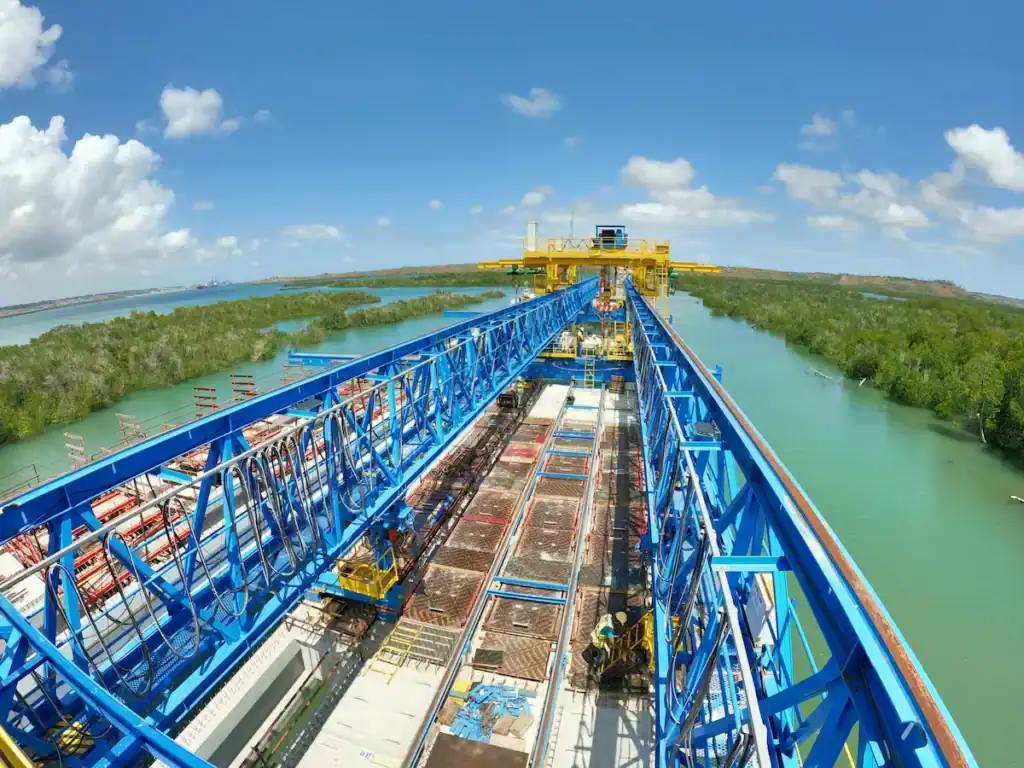
Maintenance Schedule
We provide a professional English preventive maintenance schedule. You can issue this plan to maintenance teams or foreign staff. It is easy to print and post in project offices or operating cabs.
【Click to Download: HSBRIDGE Preventive Maintenance Schedule】
Bridge Girder Launcher Key Component Maintenance Guide
- Main girder maintenance: The main girder is the machine’s backbone. Monitor camber deflection closely to prevent structural deformation. Focus on connection pins and web welds. Peeling paint or local rust indicates metal fatigue and micro-cracks. Use flaw detectors immediately.
- Support leg system maintenance: Support legs bear loads at high altitudes. Front and middle legs endure maximum stress during skew construction. Maintain perfect vertical alignment. Ensure hydraulic locks are securely fastened. Check cylinders for sliding and support footings fully.
- Hoisting mechanism maintenance: Winches and wire ropes are critical for safety. Never let reducers run out of oil. Replace brake shoes immediately if wear exceeds half the limit. Avoid tangled or broken ropes. Replace worn pulley grooves to prevent rope damage.
- Traveling mechanism maintenance: Proper fit between drive wheels and tracks ensures smooth movement. Keep tracks clear of hard objects to prevent derailment. Check if drive motors on both sides run synchronously. Calibrate inverter parameters immediately if drifting occurs.
- Electrical control system maintenance: The control cabinet is the launcher’s brain. Site dust and vibrations easily loosen terminals, causing poor contact. Power off and blow out dust weekly. Inspect all contacts. Keep systems dry during rainy seasons to prevent short circuits.
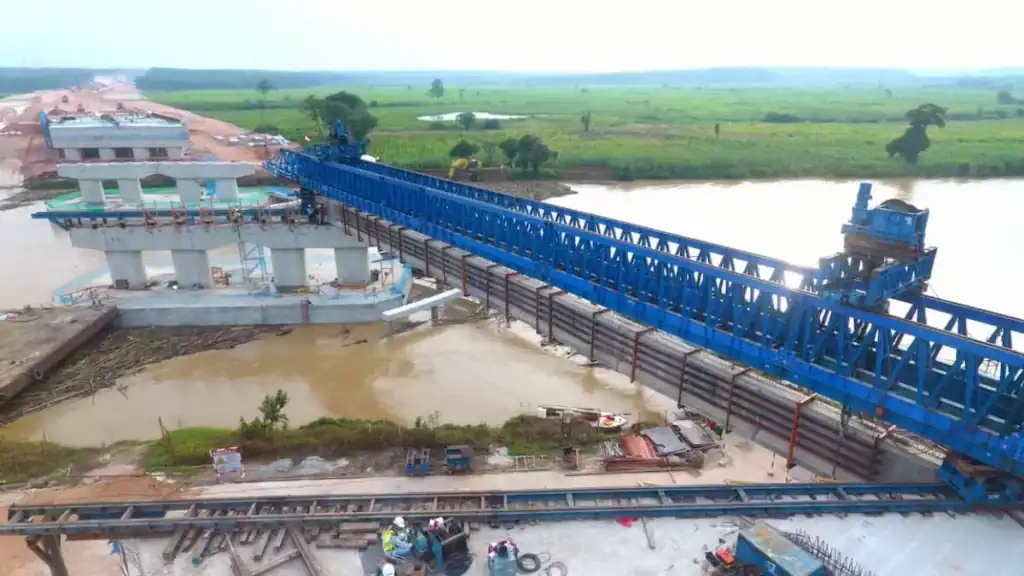
Safety System Verification and Functional Testing
Bridge girder launcher safety systems protect operators and workers on site. These systems stay dormant but must act instantly during emergencies. Do not rely only on visual checks. Conduct regular functional tests to ensure proper operation:
- Load Moment Indicator (LMI) testing: Screen accuracy requires verification. Hoist a concrete counterweight of known weight to check the display. Test the overload cutoff mechanism. Systems must alarm at 90% load. They must cut off hoisting at 105% to 110% load.
- Wind speed monitoring system testing: The launcher is highly sensitive to crosswinds aloft. Wind gauges can get stuck by dust or birds. Spin the cups to ensure smooth rotation. Simulate a critical wind signal in the cabinet. Confirm the alarm sounds and blocks high-risk actions.
- Emergency stop system testing: Test more than just the cab console button. Press every red button on ground pendants and near support legs. Pressing them must cut all power instantly. Any delay or slight movement indicates contactor sticking. Replace components immediately.
- Anti-collision and interlocking device testing: Different equipment movements must not conflict. Run the machine at lowest speed to trigger limit switches physically. Verify the brakes stop it instantly. Check logic interlocks. The hoist must remain disabled before legs are fully anchored.
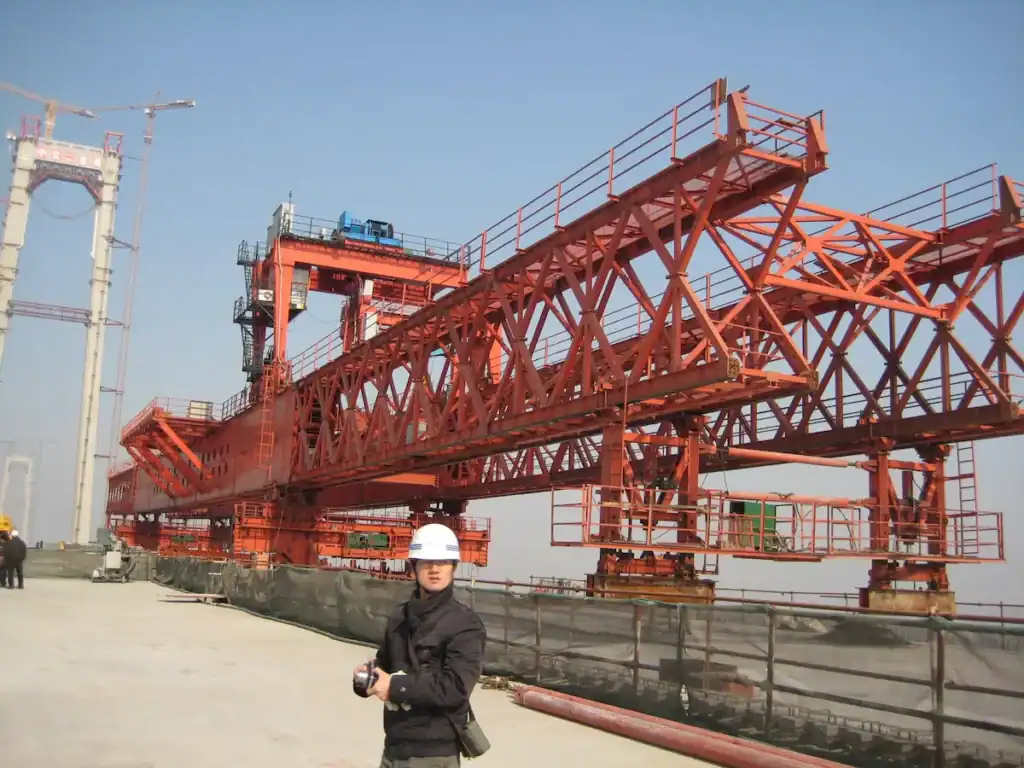
Common Bridge Girder Launcher Faults and Troubleshooting Methods
Equipment will inevitably malfunction on dusty, high-intensity construction sites. Do not disassemble components blindly when facing trouble. Here are four common faults and their quick troubleshooting routines:
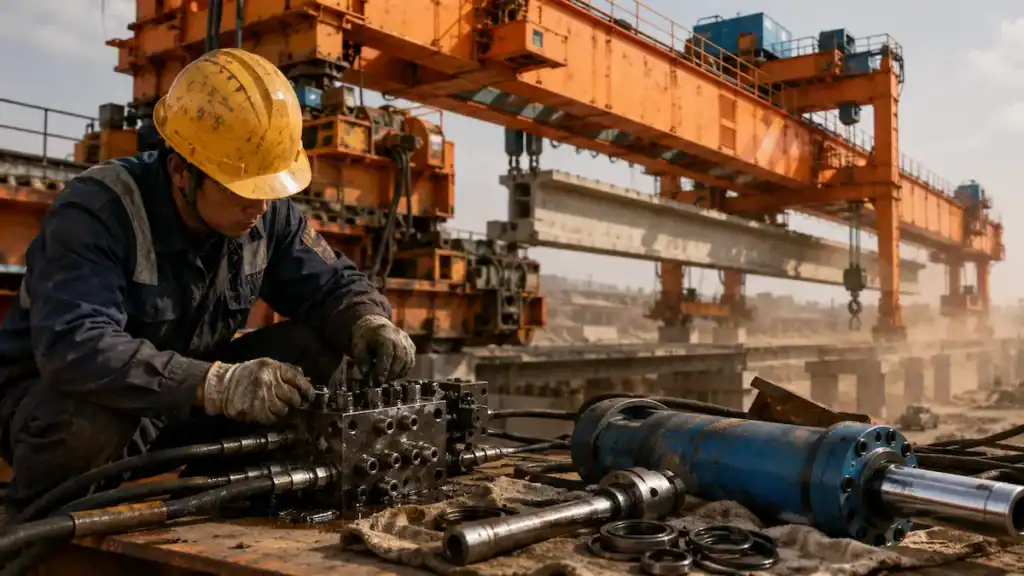
Hydraulic Crawling or Slipping
Movement drags during hoisting or crossing. Heavy objects sink visibly while suspended.
- Causes: This issue stems from internal hydraulic leaks. Control valve blocks, like counterbalance valves or hydraulic locks, might stick. Internal cylinder seals, such as Glyd rings or O-rings, could be worn.
- Solutions: Never raise system pressure blindly to hide problems. Disassemble and clean the control valves first. If valves work fine, open cylinders to replace all original seals.
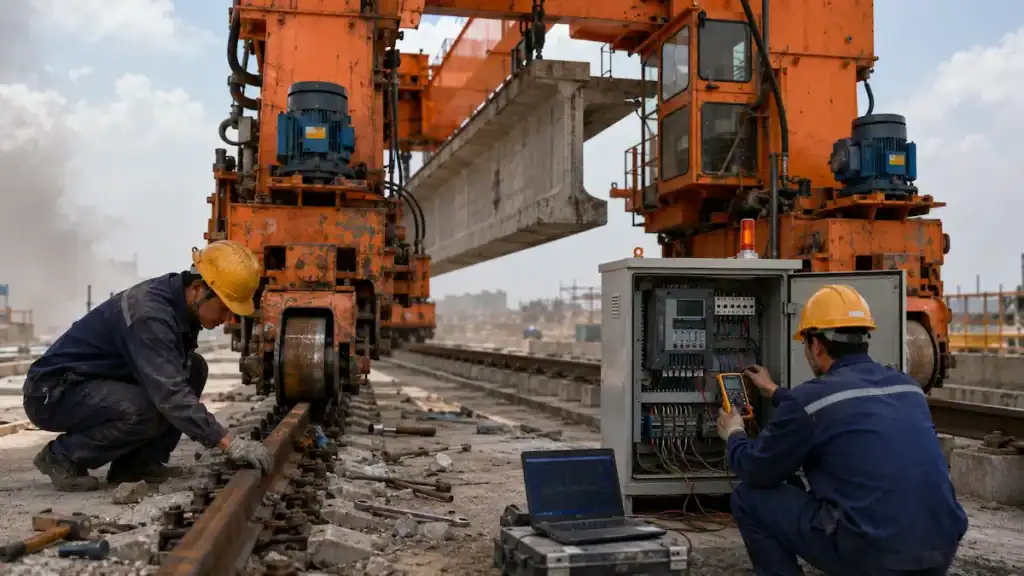
Abnormal Movement or Drifting
The trolley or crane moves unevenly. Motor sounds differ on both sides. The frame tilts noticeably, causing harsh wheel-track friction.
- Causes: Check for physical blockages first. Inspect the track for forgotten tools, stones, or uneven joints. Clean the track before retesting.
- Solutions: If the track is fine, inverter parameters for the drive motors likely drifted. This causes asynchronous output. Electricians must recalibrate drive parameters and encoder feedback using instruments.
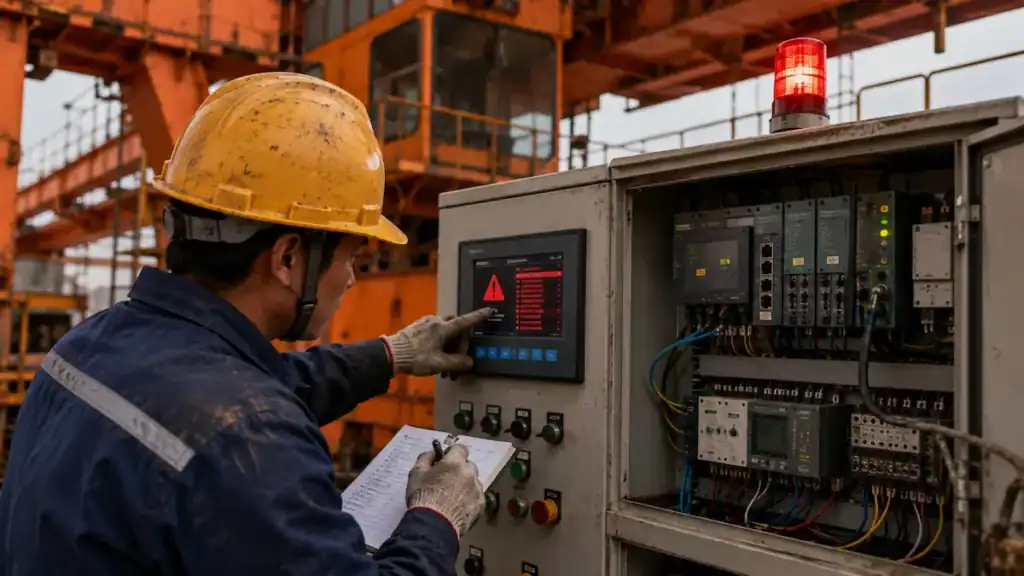
Frequent PLC Alarms
Red fault codes flash on the screen frequently. The equipment locks automatically for protection.
- Key Note: The PLC host itself rarely breaks down. It usually takes blame for peripheral component faults. Do not simply restart to clear codes.
- Troubleshooting Steps: First, record the specific alarm code and check the manual. Second, check sensor wiring at that location. Site vibrations cause loose terminals, accounting for 80% of faults. Third, check communication module indicators for signal interference.
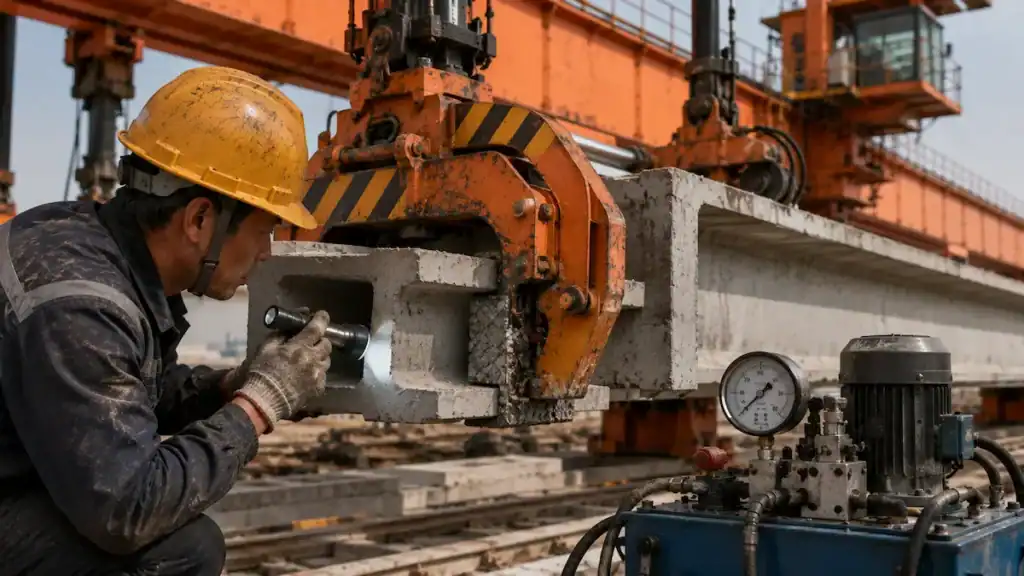
Beam Slippage During Clamping
Relative slipping occurs between lifters or clamps and beams. This fault demands absolute zero tolerance.
- Stop Operation Immediately:
- Check consumables: Inspect friction pads of the clamping mechanism immediately. Check if surface textures are worn smooth or covered in grease. Replace them immediately if wear exceeds limits.
- Check gripping force: Watch the hydraulic station pressure gauge. Confirm clamping pressure reaches design values. Check for pressure drops during holding. If drops occur, troubleshoot internal leaks immediately.
Improving Maintenance Management via Training
- Operator training: Drivers must understand the machine fully, not just push levers. Training should build sensitivity to anomalies. They must recognize dry bearing friction and minor hydraulic sticks. Make pre-shift checks a muscle memory.
- Maintenance technician training: On-site mechanics must do more than swap parts. They must master hydraulic valve logic and PLC electrical diagrams. Train them to trace internal leaks and loose connections. Stop blind disassembly.
- Importance of OEM technical support: Do not force repairs when encountering locked programs or major structural overhauls. Contacting OEM experts for remote troubleshooting and data analysis avoids turning minor issues into disasters.
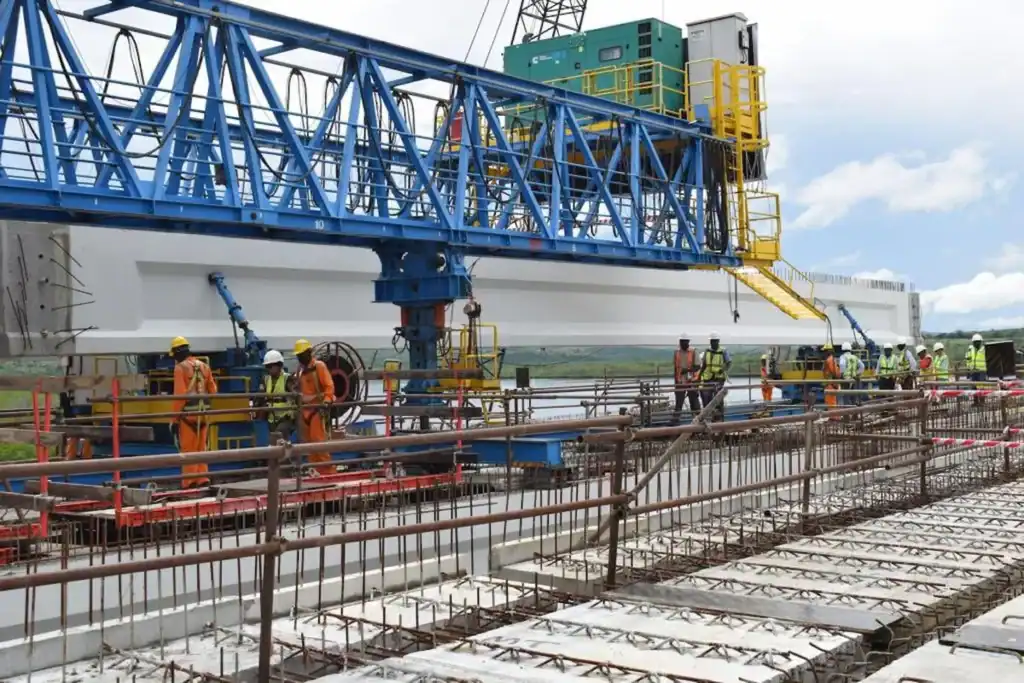
HSBRIDGE Bridge Girder Launcher Advantages and Classic Cases
Core Advantages of HSBRIDGE Bridge Girder Launcher
Construction bureaus buy equipment for efficient work and durability. HSBRIDGE turned key user pain points into standard metrics:
- High-strength box girder design: Heavy-duty anti-torsion box girders handle large spans and heavy loads. They offer superior crosswind resistance. Main girder deflection stays within safety limits even under full loads in windy canyons. This gives operators and ground crews peace of mind.
- Smart PLC control system: Say goodbye to blind operations based on experience. Inverters work with the PLC brain to achieve millimeter-level precision during hoisting and traversing. It works precisely and captures fault codes in real time. This simplifies troubleshooting for electricians.
- Multiple safety protection mechanisms: Systems comply with international standards like ISO, FEM, and EN. They feature dual protection with mechanical limits and electrical interlocks. Overload protection, interlocking actions, and anti-overhoisting come standard. Systems alarm and brake automatically during danger. This protects personnel and equipment.
- Modular structural design: We use standard pins and flanges for frequent relocation needs. Disassembly is fast and packaging is orderly. This saves significant relocation time and heavy crane rental fees for project departments.
- High maintenance convenience: The design fully considers on-site mechanics. Centralized lubrication points are within easy reach. Hydraulic valves and filter elements sit on open platforms. Technicians can check wiring and change seals without major disassembly.
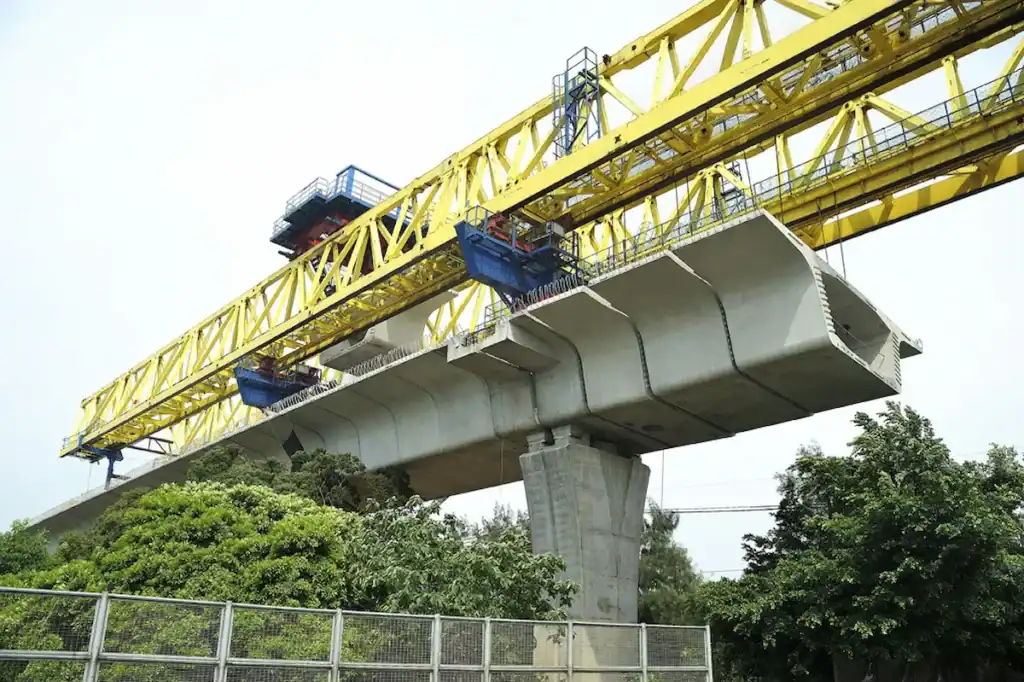
Successful Project Cases
Equipment quality is proven by actual on-site performance:
Case 1: High-Speed Railway Bridge Construction Project
- Efficient completion of girder erection: Facing strict project deadlines, the equipment endured months of high-intensity, continuous work. It completed all double-line box girder erections two weeks ahead of schedule.
- Zero major safety accidents: Sensitive anti-interlock and load monitoring systems prevented potential operational errors during fatiguing night shifts with low visibility.
- Significantly reduced maintenance costs: After completing the section, only regular consumables like wire ropes, filters, and hydraulic oil needed replacement. Core reducers and pump stations required zero major overhauls, saving large repair budgets.
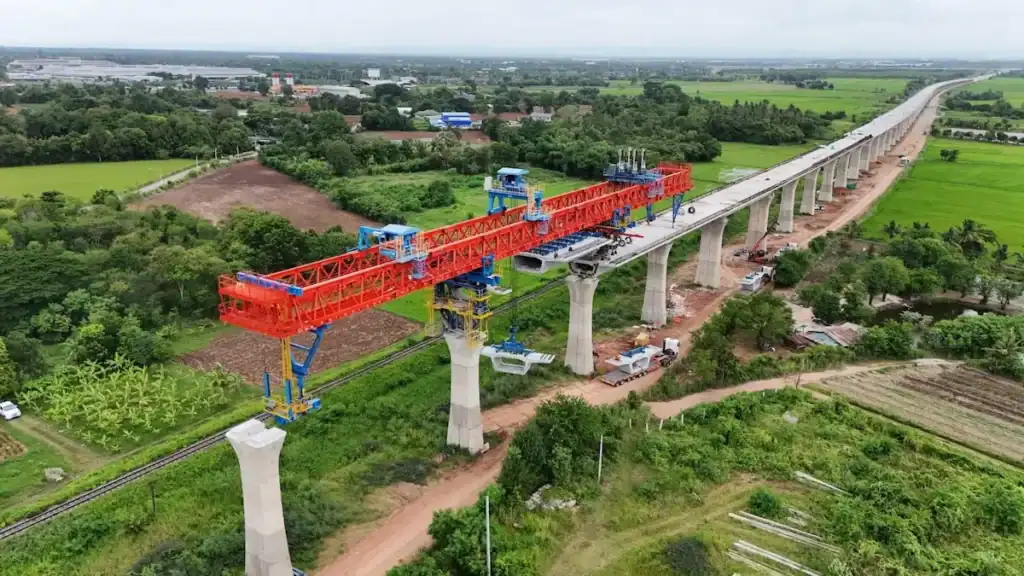
Case 2: Extra-Large River-Crossing Bridge Project
- Stable operation under complex conditions: River surfaces present strong crosswinds, high humidity, and salt spray. The heavy chassis and moisture-proof electrical processes resisted harsh environments. The machine crossed spans stably on windy days.
- High reliability performance: The system overcame center-of-gravity shifts on steep slopes and small-radius curved bridges. Leg hydraulic systems maintained pressure without any oil leaks or sliding all day.
- High recognition from clients: This stable performance impressed strict supervision teams and general contractors. The project headquarters officially rated the machine as trusted core equipment.
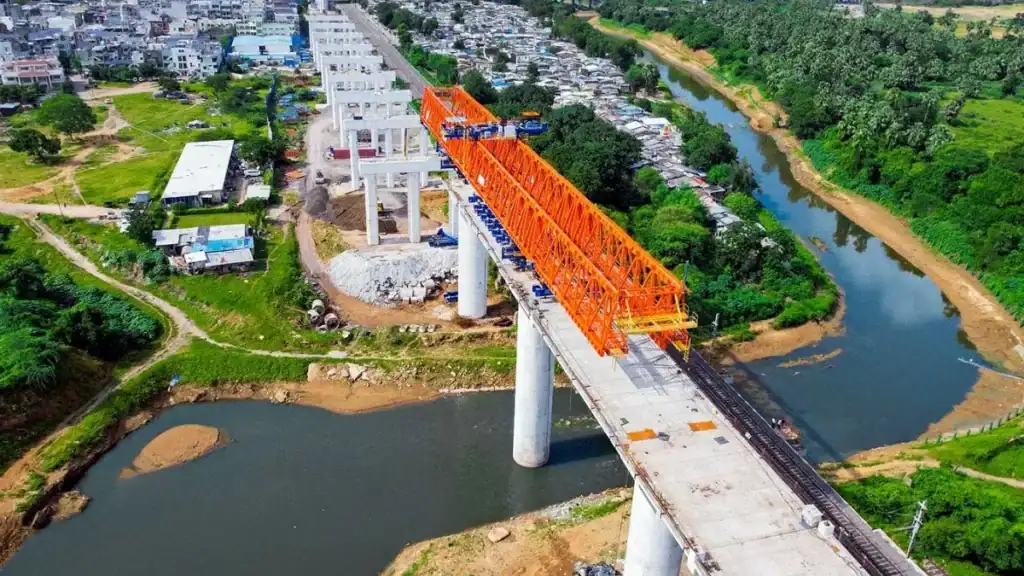
Conclusion
Bridge girder launcher maintenance is never a superficial task for inspections. Tightening bolts under the sun and replacing hardened seals protects worker lives and project profits. In bridge engineering, smooth machine operation drives progress. Do not wait for equipment failure to rush night repairs. Spend wisely on preventive maintenance. This iron beast will reward you with high uptime.
Is your site still worried about faulty equipment? Finding it hard to focus on site maintenance? Contact the HSBRIDGE technical team now. Get a customized Lifespan Maintenance Plan and expert on-site evaluations. Leave professional tasks to us. Secure safety and beat your deadlines!
【Click Here for Free HSBRIDGE Equipment Maintenance Diagnosis and Exclusive Solutions】
Extended Reading:
Maintenance determines equipment lifespan, while dynamic performance determines construction efficiency. Pursuing speed blindly causes shaking and instability. Real efficiency means maximizing crossing speed under absolute wind resistance and anti-overturning conditions.
【Click to Learn: How Bridge Launching Gantry Traveling Speed & Stability Shortens Project Timelines】
FAQ
Q: How often should the bridge girder launcher hydraulic oil be changed? Is the manual strictly accurate?
A: Do not follow manuals blindly as heavy dust and continuous shifts double oil degradation. Replace the bridge girder launcher oil instantly if it becomes cloudy or smells burnt, regardless of previous schedules.
Q: Can we postpone weekly preventive bridge girder launcher maintenance due to tight project deadlines?
A: Postponing bridge girder launcher maintenance is extremely dangerous and risks catastrophic breakdowns during vital high-altitude construction. Use shift handovers and beam delivery gaps to complete quick maintenance tasks sequentially.
Q: The main girder paint looks perfect. Can we skip regular non-destructive testing (NDT)?
A: Absolute no. The bridge girder launcher endures heavy alternating loads that cause invisible internal metal fatigue and cracks. Conducting regular NDT checks for these hidden safety risks remains a mandatory baseline for this special equipment.
Q: The PLC electrical system flashes frequent fault codes during rainy seasons. How do we solve this?
A: Moisture often enters bridge girder launcher sensor joints, causing signal short circuits and false system alarms. Seal all exposed terminals with waterproof tape and place sufficient desiccant inside the control cabinet beforehand.
Q: What else should we note after purchasing a new HSBRIDGE bridge girder launcher besides scheduled maintenance?
A: Focus strictly on training operators to eliminate dangerous habits like illegal diagonal pulling or forced starting. Stopping unauthorized bridge girder launcher operations early preserves equipment health better than any late-stage maintenance.
This document is for reference only. Specific operations must strictly comply with local laws and regulations and equipment manuals.

Get Expert Advice for Your Bridge Project
Our engineering team brings decades of experience in bridge construction equipment. Let us help you find the right solution.

 Scan to chat