 EN_US
EN_US  Español
  Русский
  العربية
  Português do Brasil
  Français
  Bahasa Indonesia
  Türkçe
  Tiếng Việt
  Bahasa Melayu
  Українська

 Technical Insight
Technical Insight
Bridge Girder Launcher Project Planning: The Ultimate Guide for Engineers
Overview
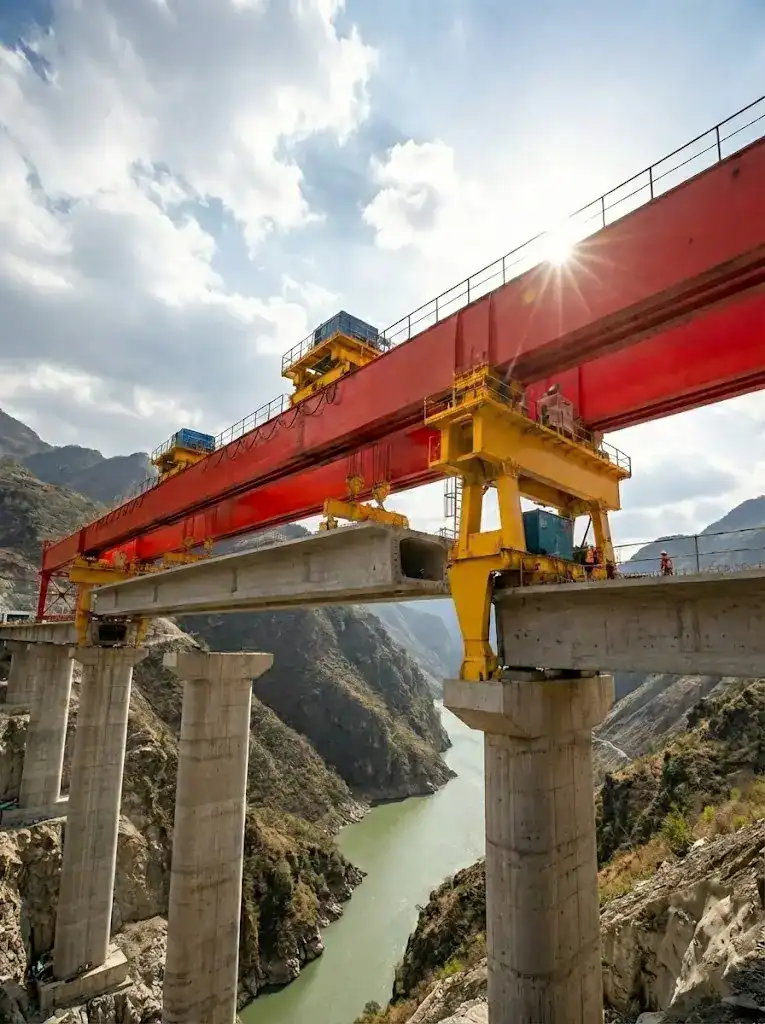
This guide systematically expounds the planning process and key control nodes of the bridge girder launcher project. The report covers engineering surveys, equipment selection (single/double guide beams and tonnage matching), construction process optimization, and full-cycle safety risk assessment. It focuses on analyzing control points for core nodes, including equipment installation, precise beam alignment, and multi-span continuous construction. Concrete countermeasures are proposed for common challenges such as complex terrain construction and insufficient equipment stability. Combining HSCRANE’s advantages in customized design and high-performance equipment under complex conditions, it provides comprehensive technical support. This support spans equipment selection, construction planning, and risk control to ensure optimal safety, schedule, and cost control.
As the core equipment of bridge construction, its construction scheme directly affects project safety, schedule, and cost control. Improper planning can easily trigger severe accidents like collapses, leading to schedule delays and cost overruns. Mountainous viaducts and long-span river crossings require different equipment passing capabilities, loads, and stability. Therefore, formulating a scientific scheme is the fundamental guarantee to ensure precise erection and reduce overall project risks.
If you are preparing or executing a bridge erection project and need professional support:
[Click here to contact the HSCRANE bridge engineering expert team directly]

What is a Bridge Girder Launcher Project Construction Scheme?
Definition of Bridge Girder Launcher Project
The bridge girder launcher project construction scheme is a programmatic technical document. It guides bridge beam erection operations to ensure engineering safety, quality, and progress. It systematically plans the following three major dimensions:
- Construction Process Planning:This defines the full sequence connection and standardized operations of the launcher. It covers arrival assembly, first-span erection, normal crossing, continuous erection, and final disassembly.
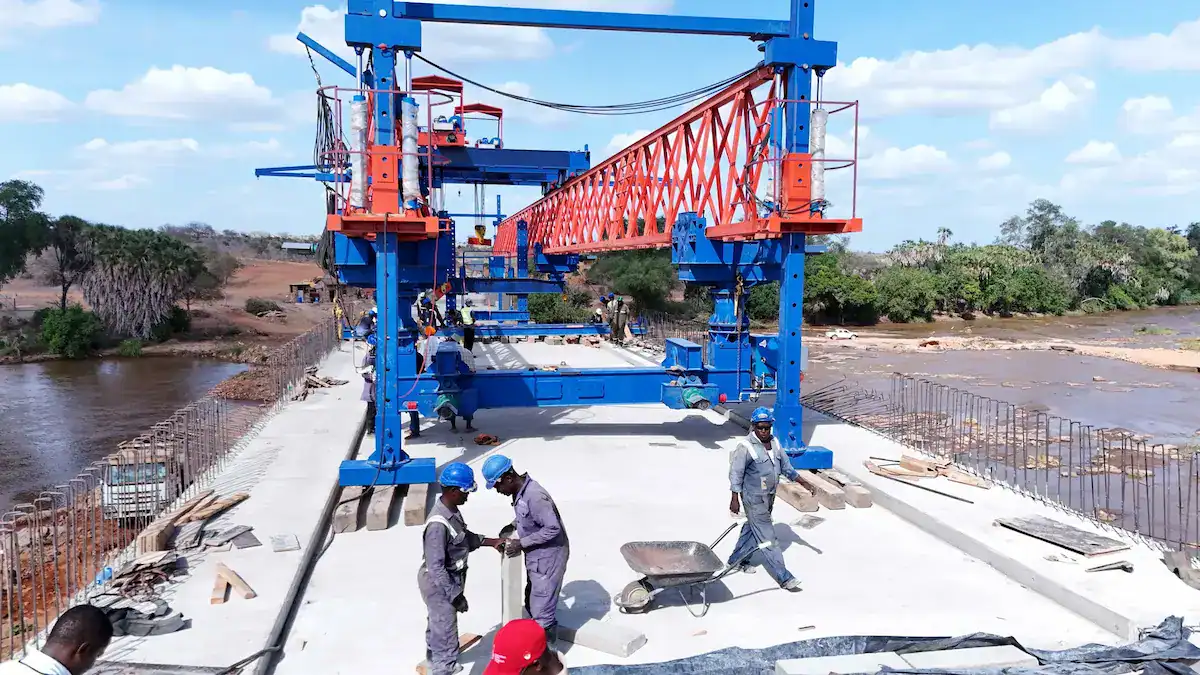
- Equipment Configuration Plan:This selects the launcher’s main structural form, rated capacity, and span based on design indicators. It simultaneously configures gantry cranes, beam carriers, and feeding rail systems.
- Safety Management and Risk Control:This establishes quantified safety monitoring indicators for high-altitude operations, heavy lifting, complex terrain, and wind loads. It formulates special emergency plans, anti-overturning, and anti-falling measures.
What are the Core Contents of Bridge Girder Launcher Project?
A qualified scheme must have rigorous engineering data support. Its core content covers:
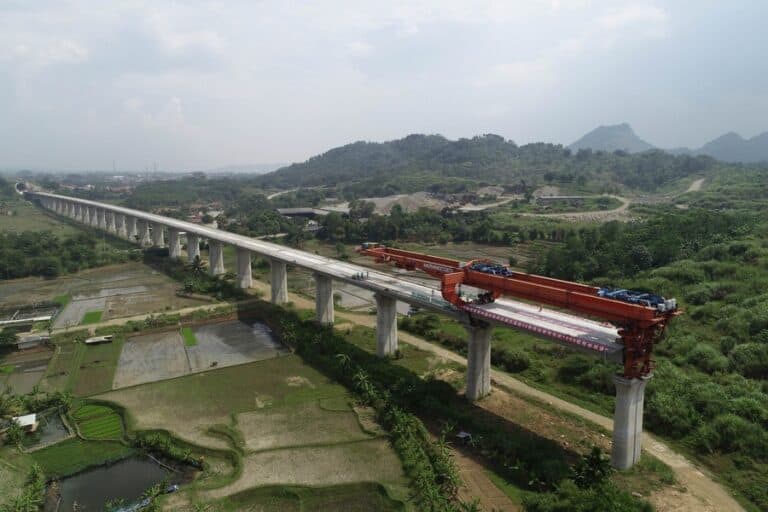
- Project Overview Analysis:This clarifies the project’s geographical location and topography (such as mountains, river crossings, or nearby existing lines). It also details meteorological conditions (maximum wind speed, temperature differences) and transport routes.
- Bridge Structure and Beam Parameter Confirmation:This strictly checks the bridge’s longitudinal slope, cross slope, and curvature radius. It defines nominal beam types (T-beams, box beams, or slab beams), maximum weight, dimensions, and prestressing status.
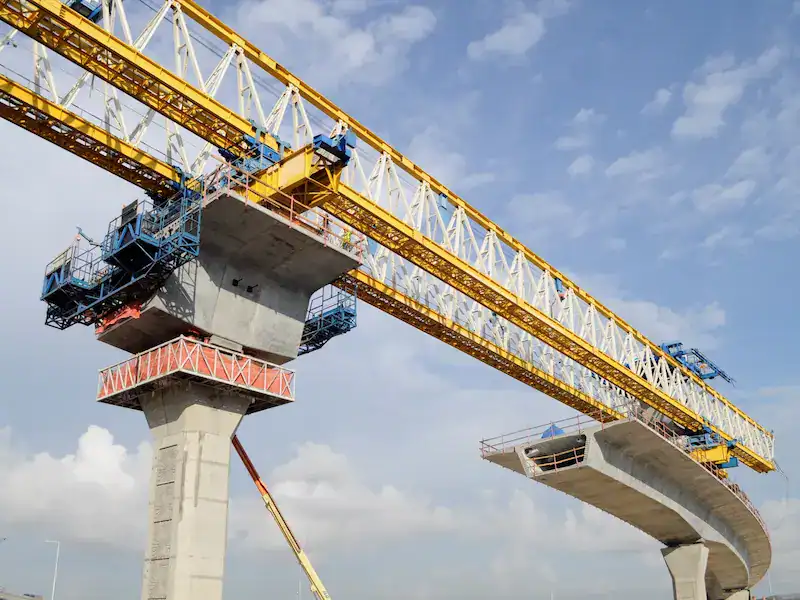
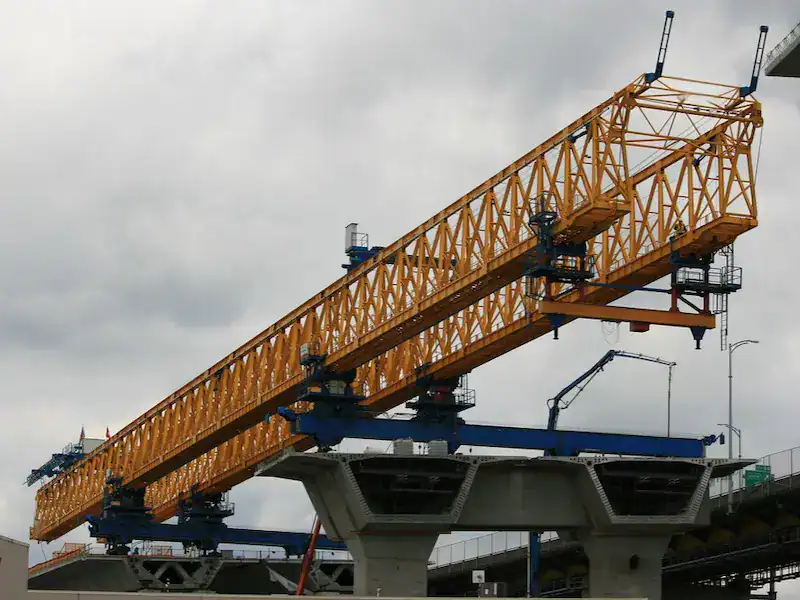
- Launching Equipment Selection:This demonstrates and determines the launcher model (such as single-guide, double-guide, or front-leg type). It verifies main girder stiffness, strength, and anti-overturning stability coefficients to meet maximum beam weight.
- Personnel Organization and Resource Allocation:This builds a professional team of project managers, technical leaders, safety officers, operators, riggers, and signalmen. It clarifies specific duties and certificate requirements.
- Construction Progress Schedule:This uses Gantt charts or network diagrams to compile precise daily schedules. It schedules the prefabrication, transportation, erection, and wet joint construction cycles for seamless connection.
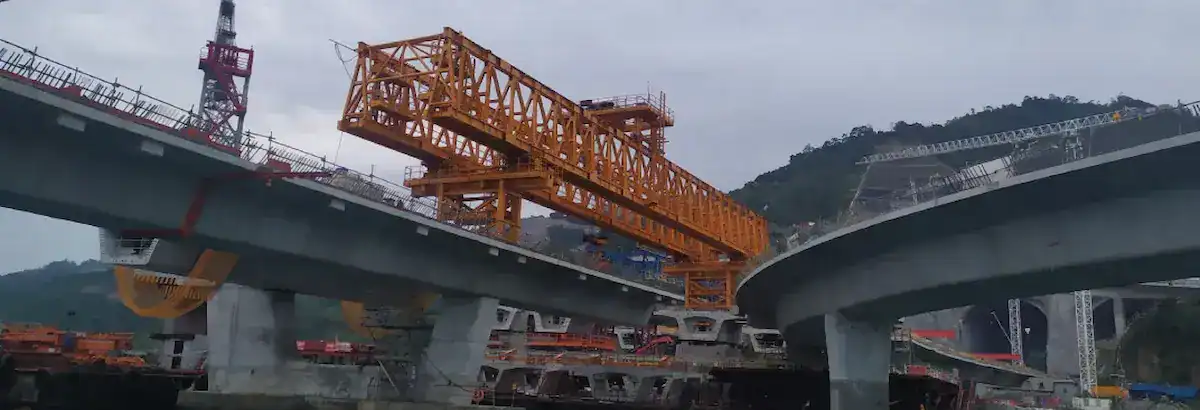
How to Plan a Bridge Girder Launcher Project Construction Scheme? Detailed Key Steps
Preliminary Engineering Survey and Demand Analysis
The data accuracy of preliminary surveys directly decides scheme compliance and safety. Blind planning based on experience is strictly prohibited.
- Bridge Span, Beam Weight, and Construction Environment Assessment:Check the maximum span and single beam maximum tonnage in design drawings strictly. Calculate the launcher’s force status under the most unfavorable load conditions. Evaluate the bearing limits of abutments and erected beams against leg reaction forces to prevent crushing existing structures.
- Terrain Condition Analysis:
- Mountain Bridges:Focus on checking the impacts of tunnel portals, small radius curves, and large longitudinal slopes (slope >3%) on launcher crossing and feeding stability.
- River Bridges:Evaluate the bearing capacity of trestles or waterfront foundations. Consider the impact of flood season water levels on substructure construction and erection timing.
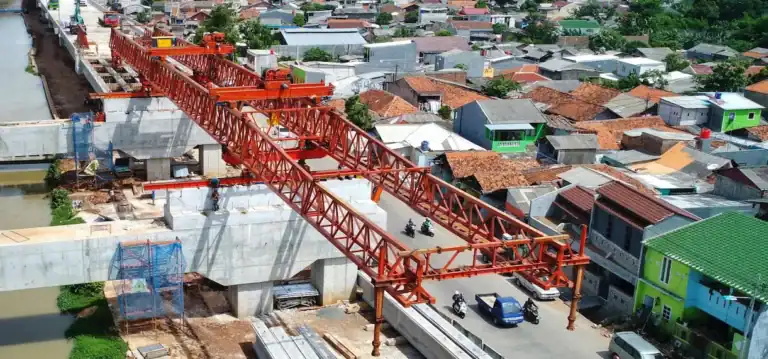
- Urban Viaducts:Identify safe clearance distances from surrounding high-voltage lines, existing buildings, and underground pipelines. Design special limit and protection measures.
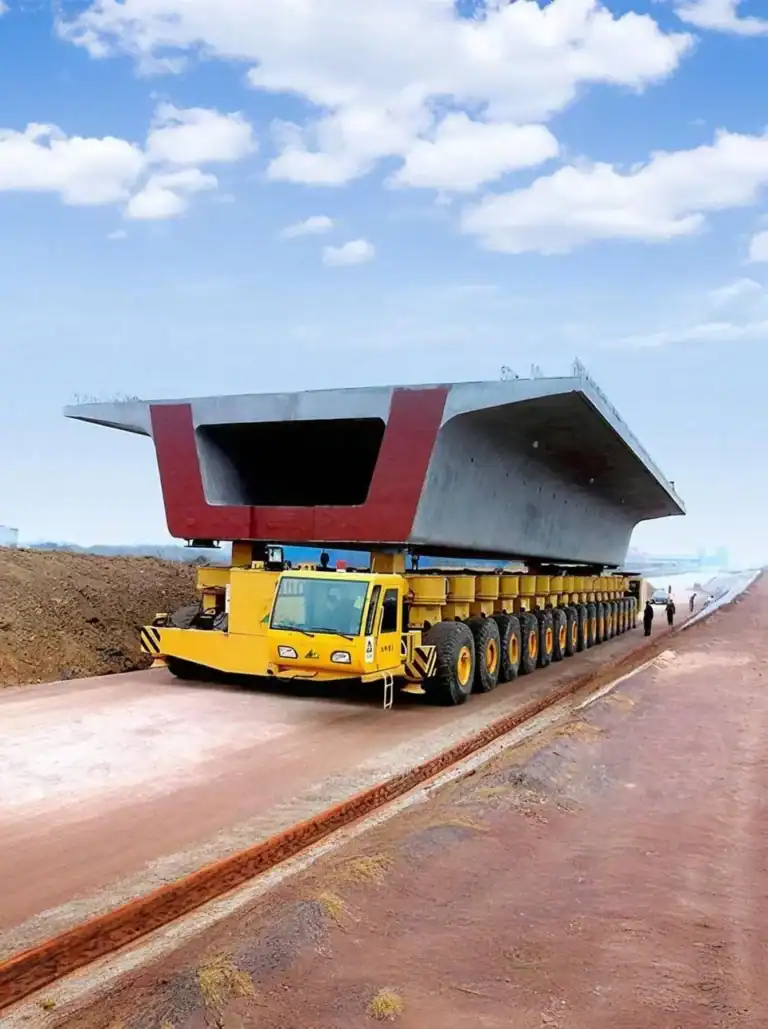
- Climate and Transport Condition Considerations:Statistics the maximum wind speed and extreme weather of the project location in recent 10 years. Plan equipment approach routes. Verify road widths, turning radii, bridge load limits, and height limits along the way to ensure ultra-long and overweight main girder segments arrive smoothly.
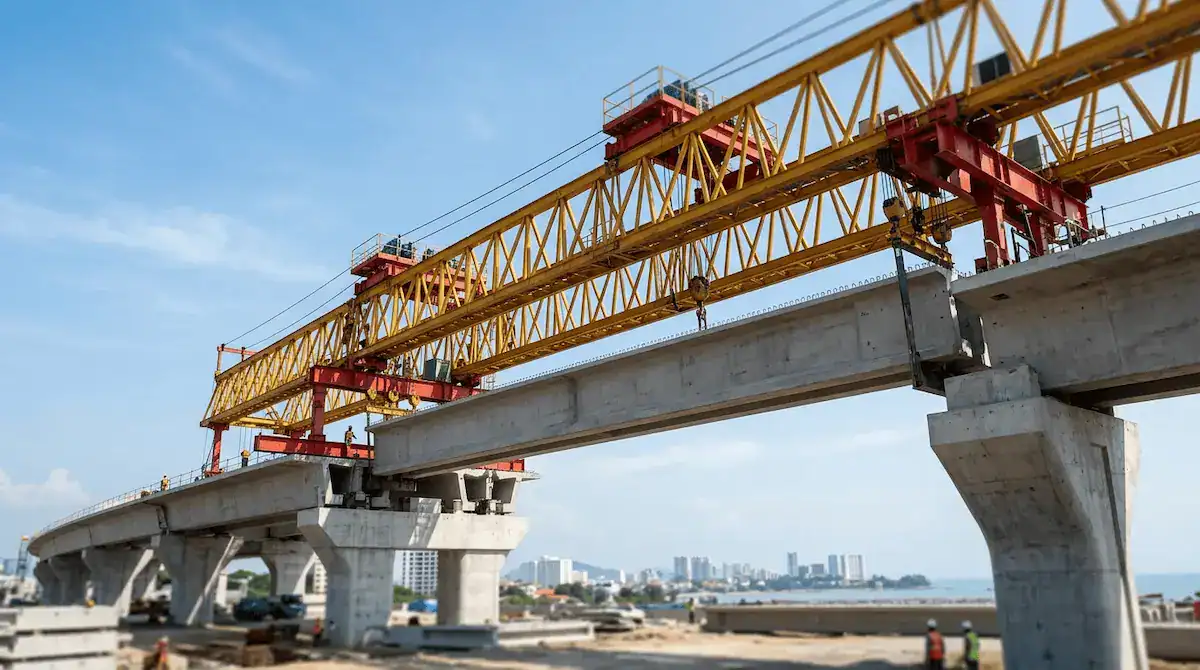
Equipment Selection and Configuration
Equipment selection must meet the principles of “stiffness up to standard, tonnage with margin, and condition matching.”
Single Guide Beam vs. Double Guide Beam Launchers:
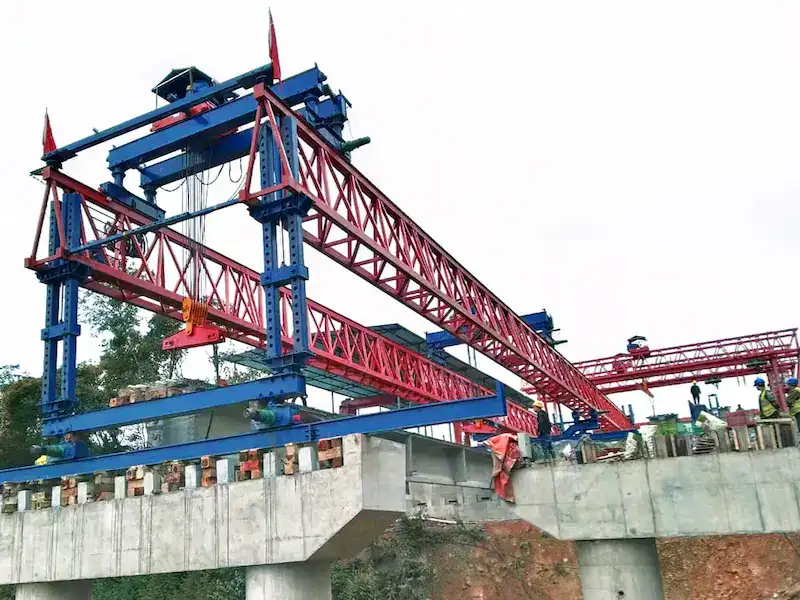
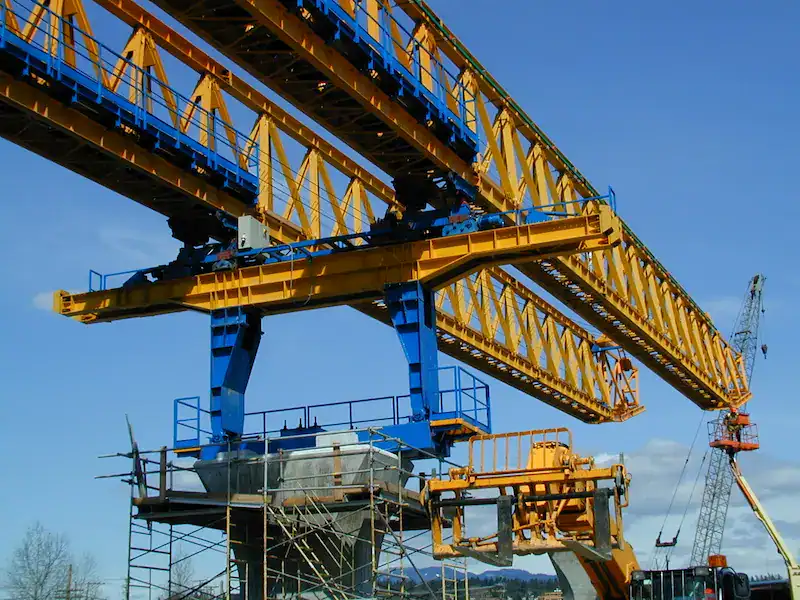
- Single Guide Beam Launcher:Lightweight structure, convenient transportation and assembly, clear machine force distribution. It requires high standards for beam feeding methods. It is mostly used for conventional bridges with small spans, large curve radii, and low piers.
- Double Guide Beam Launcher:Strong torsion and overall stability, excellent wind resistance. It adapts to tunnel passing, eccentric hoisting, and skew bridge erection. However, its dead weight is large, requiring high bearing capacity of front legs. It suits heavy box beams or complex conditions.
Applicable Scenes for Different Tonnages:
- 100t-160t Class:Mainly applicable to conventional T-beams and hollow slab beams for highways/railways.
- 200t-450t Class:Applicable to medium-span prefabricated segmental box beams and large highway box beams.
- 500t and Above Class:Dedicated to high-speed railway double-line full-hole box beams or special large-span steel truss beams.
Matching Equipment Requirements:
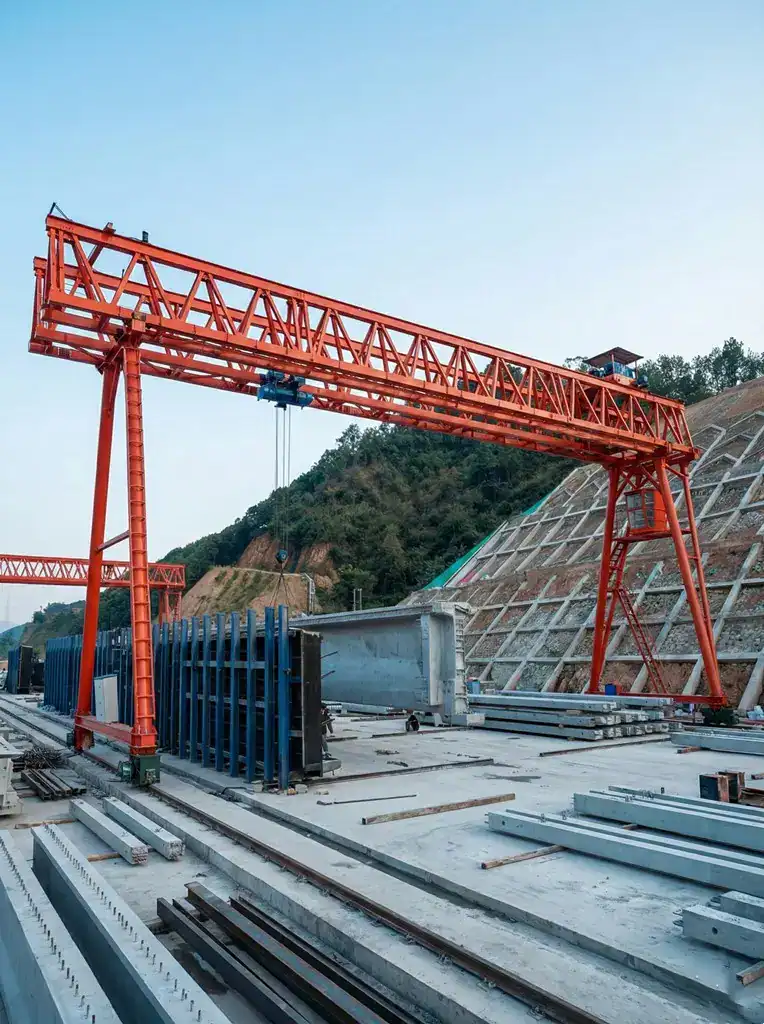
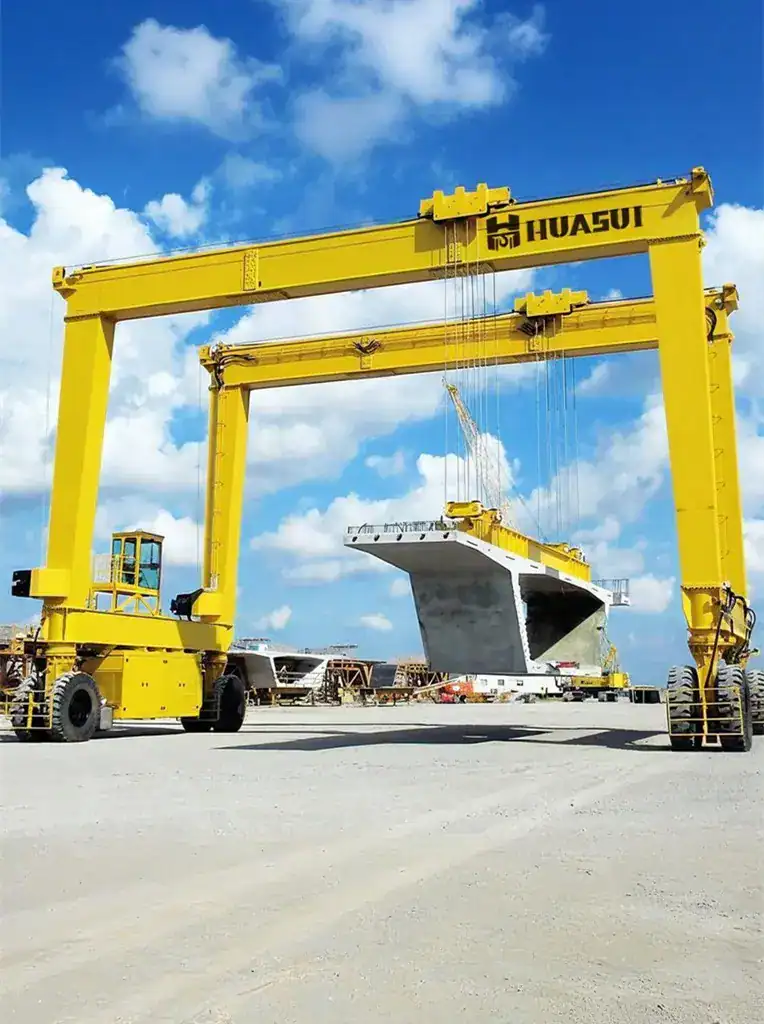
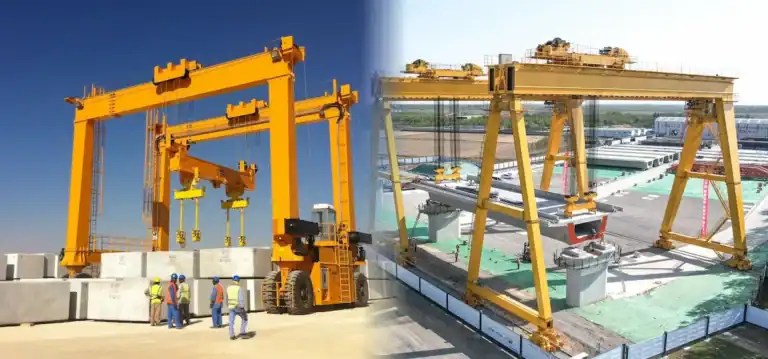
The plan must realize integrated matching of “transportation, hoisting, and erection.” The carrier capacity and travel speed must synchronize with the launcher feeding speed. The lifting crane (gantry crane) span and capacity must meet moving and loading needs in the yard to avoid launcher downtime due to matching equipment failures.
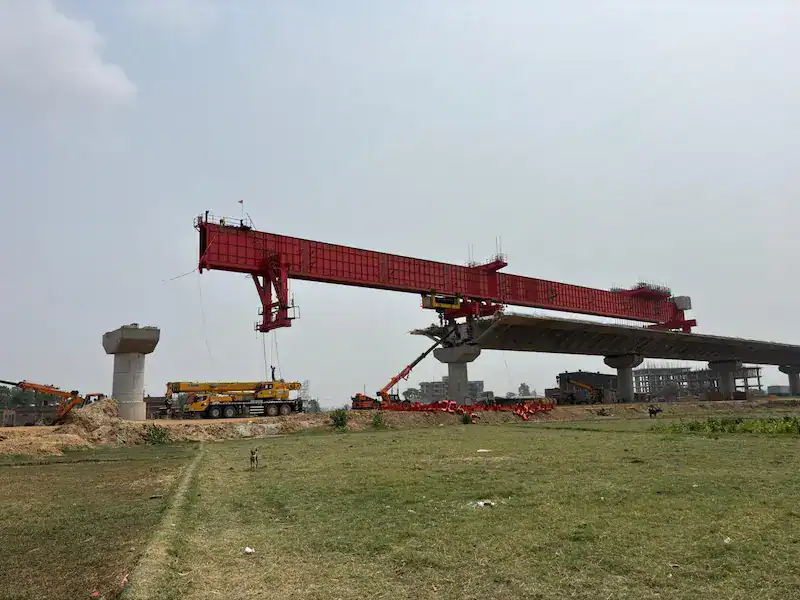
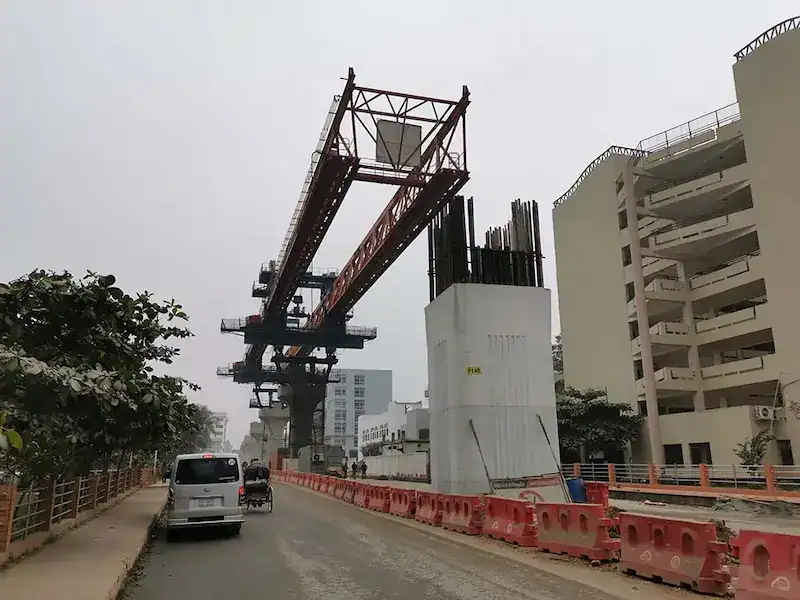
Formulating Construction Process and Work Schedule
Fine production scheduling and standardized operations are the core to ensure the schedule.
Construction Stage | Core Operations and Control Points |
Equipment Transport & Assembly | Designate special subgrade or deck areas for assembly. Assemble strictly per factory drawing bolt torque and pin locking standards. Control main girder horizontal and vertical deviations within millimeters. |
Testing & Debugging | Conduct static load tests (1.25 times rated load) and dynamic load tests (1.1 times rated load) after assembly. Inspect steel structure deformation, brake reliability, and hydraulic limit sensitivity. |
Lifting/Transporting/Landing | Standardize actions: “carrier feeding longitudinally rightarrow front hanger lifting rightarrow rear hanger receiving rightarrow dual-winch synchronous longitudinal moving rightarrow transverse moving and landing.” Overtravel is strictly prohibited. |
Process Link & Scheduling | Take a single span (like 4 T-beams) as a cycle. Allocate time quantitatively for pier handover, beam transport, erection, grouting, and wet joint tensioning. Compile a Gantt chart. |
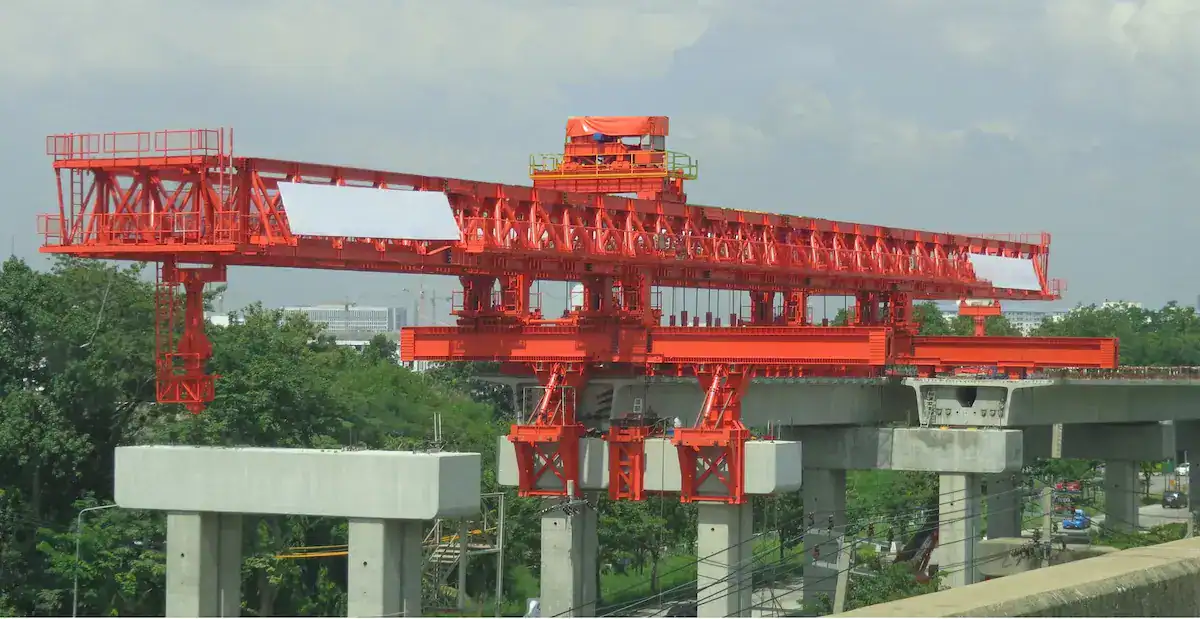
Safety Management and Risk Assessment
Launcher operation belongs to dangerous hazardous works. Dynamic quantified management must be implemented.
- Wind Load and Stability Analysis:Specify high wind shutdown and anchoring standards clearly (usually stop erection when wind ge level 6, and anchor the launcher). Perform anti-overturning stability calculations for key stress points like front legs and middle rollers under full load and empty crossing conditions (safety factor must ge 1.5).
- Site Safety Specifications:Implement certified work for all personnel (special operation certificates). Set up standardized walkways and safety ropes for high-altitude work. Establish warning zones below the erection area and prohibit cross operations strictly.
- High-Risk Engineering Plans:Formulate special technical disclosures and standing supervision systems for high-risk conditions like “first-span erection (no front support),” “last-span erection (limited space),” and “large-slope crossing (easy to slide).”
- Emergency Management Mechanism:Equip backup generators on site (preventing suspended beams from locking up due to power failure) and hydraulic jacking spare parts. Establish emergency evacuation and rescue drill mechanisms for lifting injuries, falls, and severe weather.

Cost and Schedule Optimization
Extract efficiency through lean management to reduce non-productive costs.
- Reduce Equipment Downtime:Implement a “preventive maintenance” system. Use nights or shutdowns to perform routine checks on hydraulic stations, wire rope lubrication, and electrical contactors. Prohibit equipment operating with defects to avoid unplanned downtime.
- Reasonable Dispatch of Resources:Balance prefabrication yard output and site erection speed dynamically. Ensure beam age meets design requirements while achieving “erecting upon arrival.” Avoid launcher waiting caused by insufficient beams or yard blocking caused by slow erection.
- Methods to Improve Efficiency:Optimize the launcher crossing plan (such as using mature automatic hydraulic crossing technology to reduce manual rail laying). Use multi-shift seamless handover modes to compress the cycle baseline time of single-span erection safely.
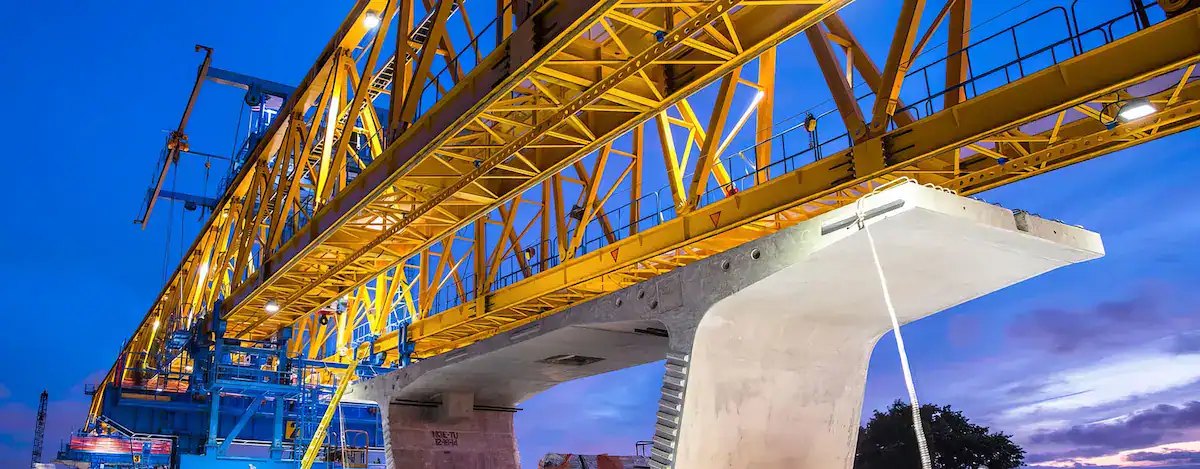
Key Node Analysis in Bridge Girder Launcher Project
During a bridge girder launcher project, each stage must pass inspection before proceeding to the next to ensure safety, quality, and schedule control.
Stage | Key Control Node | Main Focus |
Project Preparation | Engineering Survey | Verify bridge dimensions, foundation bearing capacity, subgrade stability, and temporary support conditions to prevent settlement or overturning risks. |
| Equipment Scheme Confirmation | Approve launcher model, load calculations, and construction plans through technical reviews and expert validation. |
| Site & Route Planning | Prepare assembly areas and confirm transport routes for oversized launcher components. |
Launcher Arrival & Installation | Equipment Acceptance | Inspect steel structures, welds, bolts, and certificates to ensure equipment quality and compliance. |
| Main Structure Installation | Assemble in sequence while controlling alignment, levels, and bolt preload to meet installation tolerances. |
| Electrical System Debugging | Test motors, safety limits, overload protection, and emergency systems through no-load operation. |
Beam Erection Stage | Beam Hoisting & Positioning | Lift and transport precast beams with synchronized operations to avoid eccentric loading or instability. |
| Precise Alignment & Stability | Adjust beam positioning carefully to meet alignment tolerances and ensure stable support. |
| Multi-Span Operations | Complete wet joints and temporary connections before advancing to the next span. |
Project Acceptance & Transfer | Equipment Testing | Conduct static and dynamic load tests before official beam erection begins. |
| Engineering Quality Inspection | Check elevation, alignment, and beam connection quality according to project standards. |
| Disassembly & Transfer | Safely dismantle and transport the launcher for the next project phase. |
Effective control of these key nodes helps reduce safety risks, avoid delays, and improve overall bridge erection efficiency.
Efficient Planning and Safe Erection Rely on the Stable Support of Heavy Equipment
HSCRANE not only delivers high-performance hardware, but also dispatches senior engineer teams to the site. We customize construction schemes and key node technical disclosures for your full cycle of assembly, crossing, and erection.
[Contact HSCRANE Bridge Scheme Experts Immediately]
Common Bridge Girder Launcher Project Problems and Countermeasures
How to Avoid Schedule Delays?
Schedule delays in launcher projects are mostly caused by “equipment-site mismatch” or “process disconnection.”
- Cause Analysis:The slow production speed of the precast yard causes the launcher to wait empty (due to yard blocking or insufficient beam supply). Frequent mechanical, hydraulic, or electrical failures occur. The handover time of the substructure piers is delayed.
- Countermeasures:
- Dynamic Balance of Production and Erection:The scheme must set a precast beam reserve threshold (usually maintaining a stock of 3–5 spans). This ensures that “beams wait for the machine” rather than “the machine waits for beams.”
- Full Life Cycle Inspection:Execute the “daily check, weekly inspection, monthly maintenance” system strictly. Vulnerable parts (such as hydraulic seals, high-pressure oil pipes, contactors, and wire rope clips) must be fully stocked on site. Ensure minor repairs take less than 2 hours.
- Parallel Flow Operations:While horizontal moving and positioning the beam of the previous span, the substructure cushion stone chipping, grout mixing, and carrier loading for the next span proceed simultaneously. This compresses the non-hoisting cycle time of a single span.
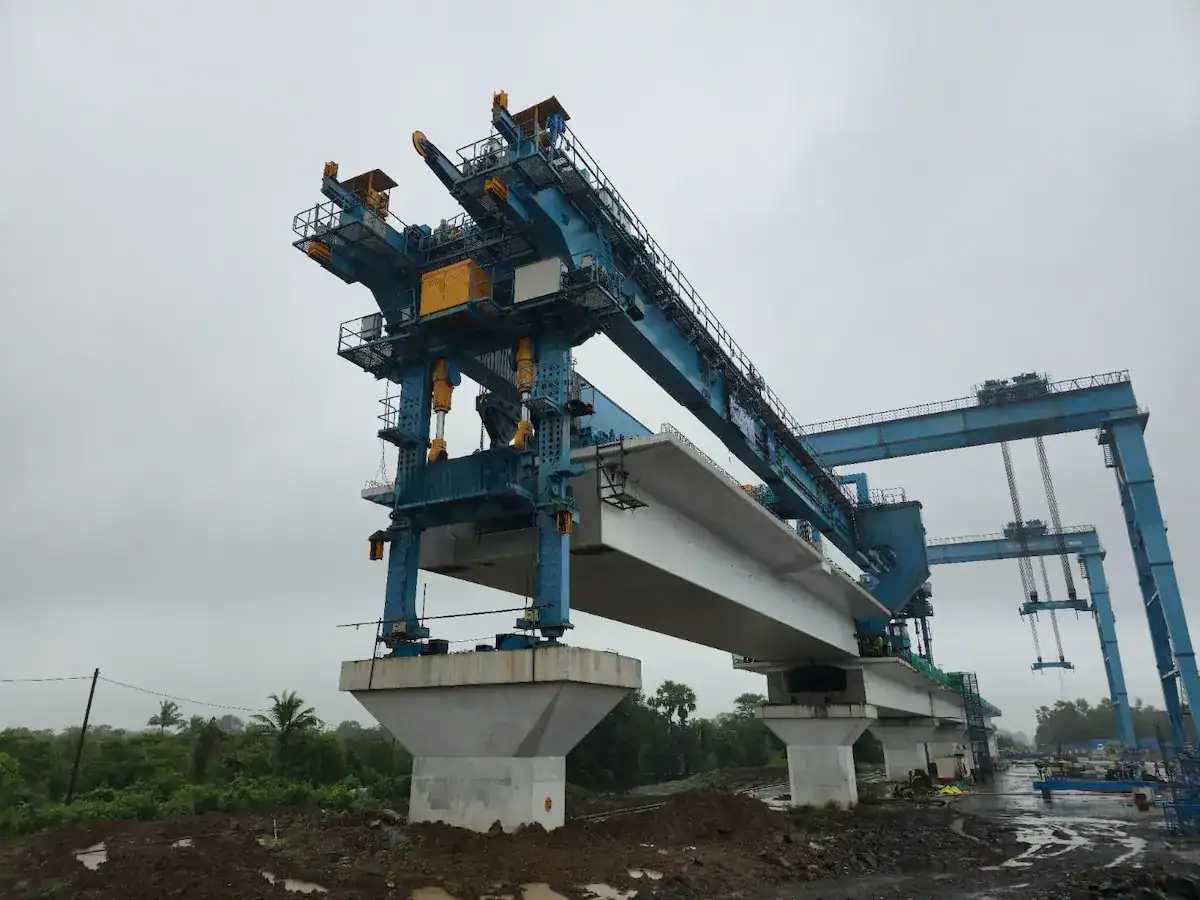
What to Do If Launcher Stability is Insufficient?
Insufficient stability is the fundamental cause of launcher overturning accidents. Rigid constraints must be applied from the radical stress points.
- Cause Analysis:Large longitudinal slopes cause the equipment center of gravity to shift, creating a “sliding” tendency. The bearing foundation of the front leg settles, or the pier top space is too narrow to anchor effectively. Sudden encounters with wind speeds exceeding the design limit occur.
- Countermeasures:
- Mechanical and Hydraulic Dual Locking:Under large slope (>2%) conditions, the launcher travel mechanism must add rail clamps and hydraulic anti-counter-wheel devices. Implement rigid limits during crossing and transverse moving.
- Counterweight Verification and Rear Anchoring:Configure the rear counterweight strictly according to the design calculation book during empty crossing. After the front leg is in place, the rear leg must be anchored to the erected beam with through-bolts. The anti-overturning safety factor must remain above 1.5.
- Foundation and Pier Top Strengthening:The assembly area and No. 0 abutment foundation must undergo compaction tests and concrete hardening. If the pier top area is insufficient, customize special steel support brackets to expand the bearing surface of the front leg.
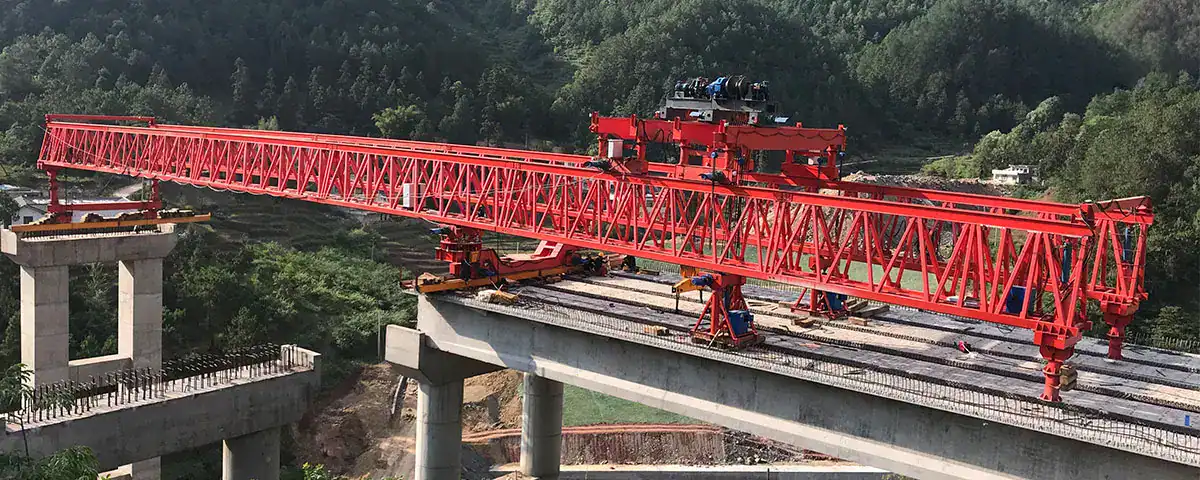
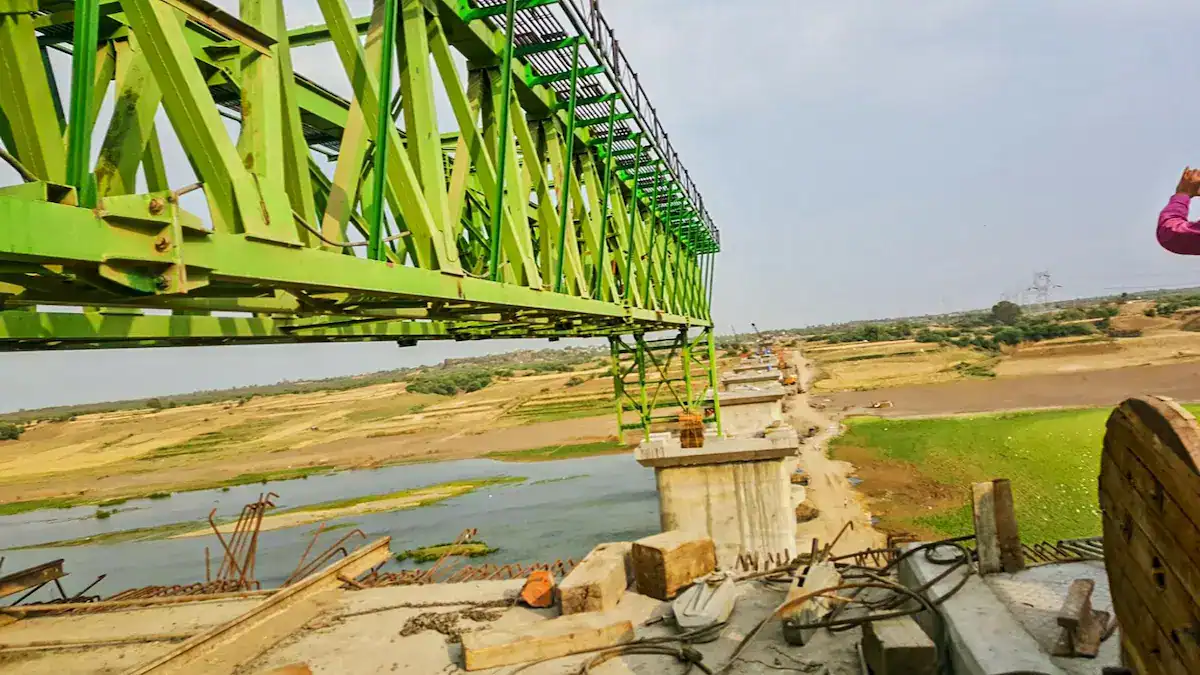
How to Formulate a Construction Scheme for Complex Terrain Bridges?
Complex conditions such as mountains, river crossings, and urban viaducts require construction schemes to have highly “customized” characteristics.
- Cause Analysis:Tunnel portals connecting bridges leave no space for launcher assembly and crossing. Small radius curve bridges cause severe eccentricity when moving beams transversely. Construction adjacent to existing lines lacks safe clearance.
- Countermeasures:
- Special Scheme for “Bridge-Tunnel Connection” at Tunnel Portals:Adopt the technology of “assembling inside the tunnel and erecting with zero entry.” Choose a customized launcher with a compact body and folding or front-leg functions. Use the space inside the tunnel to complete beam feeding and first-span erection.
- Curve Bridge Eccentricity Correction:For small radius curve bridges, the scheme must calculate the transverse eccentricity of each beam. Adjust the span difference between the front and rear legs of the launcher. Use unequal-speed travel mechanisms for the front and middle rollers to ensure the whole machine crosses smoothly along the tangent direction of the curve radian.
- Protection for Crossing and Adjacent Existing Lines:Formulate a special isolation protection scheme. Install fully enclosed hanging baskets or safety nets under the lower chord of the launcher to prevent tools and debris from falling. Implement digital clearance monitoring to strictly prohibit any equipment components from intruding into the clearance of existing lines.
How to Reduce Construction Safety Risks?
The core of reducing risks lies in the rigid isolation of “unsafe human behavior and unsafe material status.”
- Cause Analysis:Violations of command or special operation personnel working without certificates. High-altitude operations lack rigid protection. Violations of working forcibly under excessive wind speeds occur.
- Countermeasures:
- Enforce “Red Line” Mandatory Specifications:Execute a 100% certified work rate for special operations resolutely. Implement a standing supervision system by technical leaders for key processes (such as first-span erection, whole machine crossing, and large tonnage hoisting).
- Customized and Standardized Protection:Rigid walkway railings with a height of not less than 1.2m must be set on both sides of the launcher main girder, fully paved with anti-slip steel plates. Core stress components, such as hangers and main girder connecting pins, must undergo mandatory non-destructive checks or visual confirmation before each shift.
- Hard Linking with Weather Warning Mechanism:Equip portable anemometers on site. The scheme specifies clearly: when the wind speed reaches level 6 (≥ 10.8m/s), beam erection and crossing operations must stop immediately. Run the launcher to a safe position, and implement guy wire and rail clamp locking.
Why Choose HSCRANE Bridge Girder Launcher Solutions?
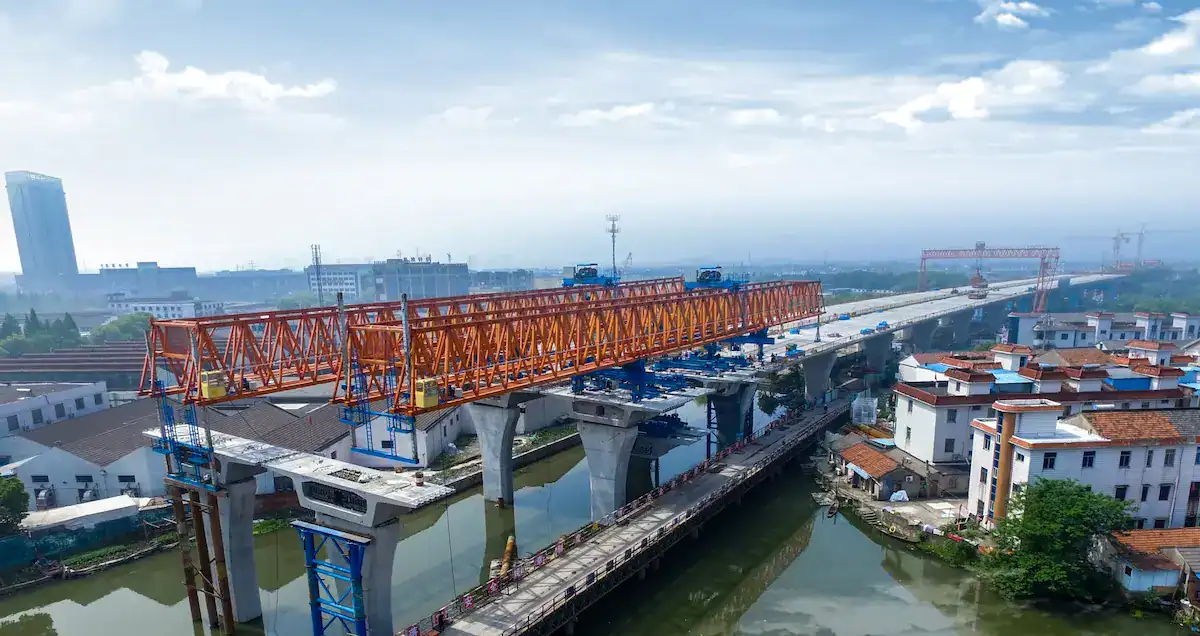
- Rich Bridge Engineering Project Experience:HSCRANE has been deeply involved in the road and bridge construction field for decades. We have successfully assisted in hundreds of national-level key railway, highway, and urban viaduct projects domestically and abroad. Whether for long-span river crossings or high-altitude complex conditions, we have accumulated mature construction data and practical experience to effectively help customers avoid various site risks.
- Customized Launcher Design Capability:We possess an industry-leading R&D engineer team. We specialize in conducting full-set structural finite element stress analysis and customized modification designs for extreme terrains such as tunnel portals, small radius curves, large longitudinal slopes, and skew bridges. This ensures that the equipment absolutely matches FEM/ISO/EN international safety standards and project conditions.
- High-Performance Equipment Advantages:The steel structures of HSCRANE launchers use high-strength low-alloy steel. Critical welds undergo 100% ultrasonic testing. The entire machine is equipped with a digital safety monitoring system. Core hydraulic and electrical components are selected from international first-line brands, providing core advantages such as high stiffness, light dead weight, and strong anti-overturning stability.
- Complete Delivery and After-Sales Support:We provide a one-stop delivery process from factory manufacturing, logistics transportation, and site assembly/debugging to statutory inspection of special equipment. A professional engineer team stays on site 24 hours a day to provide technical disclosures and operation training. The after-sales spare parts warehouse responds around the clock to minimize non-productive downtime and guarantee efficient project progress.
Conclusion
A reasonable and rigorous construction scheme is the cornerstone to ensure the smooth progress of bridge engineering and curb severe safety accidents. Looking at the successful practices of various complex bridge construction projects, only by adhering to the integrated planning concept of “professional equipment selection + scientific construction process + rigorous risk control” can optimal schedule and cost control be achieved under the premise of absolute engineering safety. Bridge erection belongs to high-risk, high-investment special operations. Choosing a professional launcher manufacturer with deep technical background and full-process delivery capability is the fundamental guarantee to eliminate site safety hazards and ensure project success.
Planning a Bridge Girder Launcher Project Construction Scheme?
Do not let unreasonable schemes or mismatched equipment become stumbling blocks to engineering safety and progress.
Welcome to contact HSCRANE at any time. Our technical expert team will provide you with an integrated customized launcher design scheme, full-cycle key node analysis, and comprehensive site technical support.
[Click here immediately to contact HSCRANE], and work together to build a safe and efficient bridge of leaps!
Extended Reading:
If you also need to understand how the launcher completes assembly, crossing, and landing step-by-step on site, we have compiled a detailed operational guide for you.
Click to view: 《Bridge Girder Launcher Construction Process: Erection & Span Passing》 to gain deeper insights into standardized process details under high-altitude operations.
This document is for reference only. Specific operations must strictly comply with local laws and regulations and equipment manuals.

Get Expert Advice for Your Bridge Project
Our engineering team brings decades of experience in bridge construction equipment. Let us help you find the right solution.

 Scan to chat