 EN_US
EN_US  Español
  Русский
  العربية
  Português do Brasil
  Français
  Bahasa Indonesia
  Türkçe
  Tiếng Việt
  Bahasa Melayu
  Українська

 Technical Insight
Technical Insight
Bridge Launching Gantry vs Traditional Bridge Erection Methods: Which Construction Method Is More Efficient?
Why Most Bridge Erection Decisions Fail at the Start
Select the wrong bridge erection method and you won’t just lose money—you risk losing the entire project. On a 40-span high-pier viaduct, a mistaken reliance on ground-based cranes can add $1.2 million in temporary access roads and rock-fill platforms, yet still fail to reach the tallest piers. The decision is binary: either your method can physically place every beam on-spec, or it cannot. This article gives procurement managers and project engineers a data–first comparison of bridge launching gantry systems versus traditional crane–based erection. You will leave with a calculation methodology you can apply to your own tender, plus real case data that shows when the break-even point tips decisively toward a launching gantry.
What is a bridge launching gantry? What are traditional bridge erection methods?
The definition and working principle of a bridge launching gantry
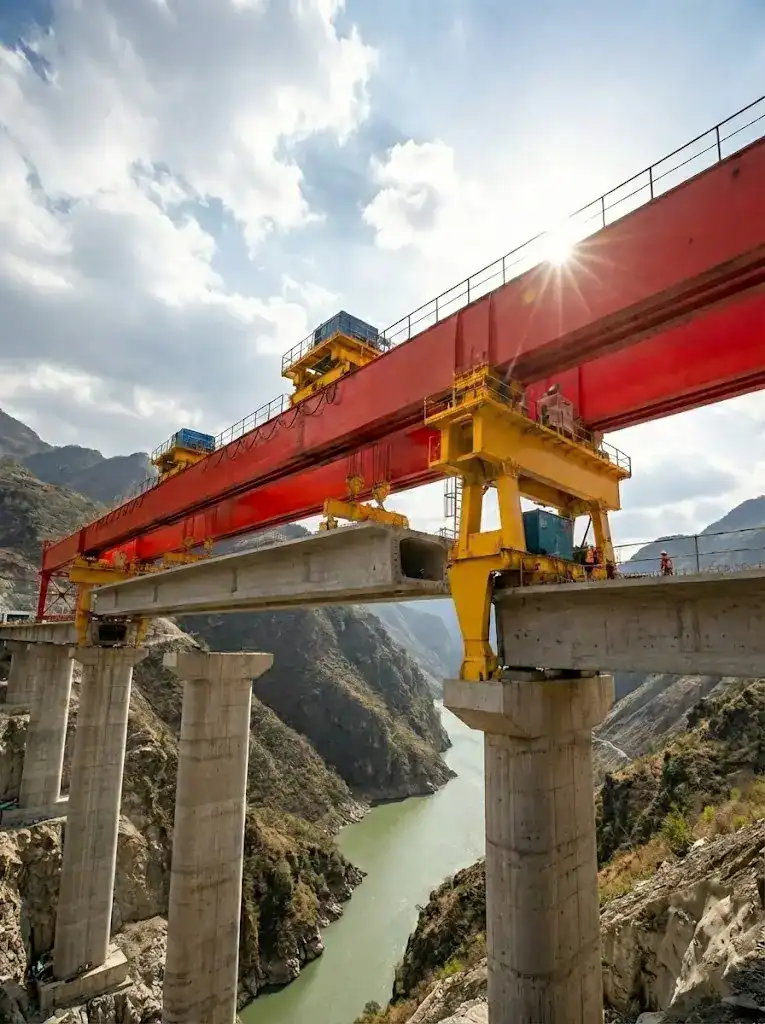
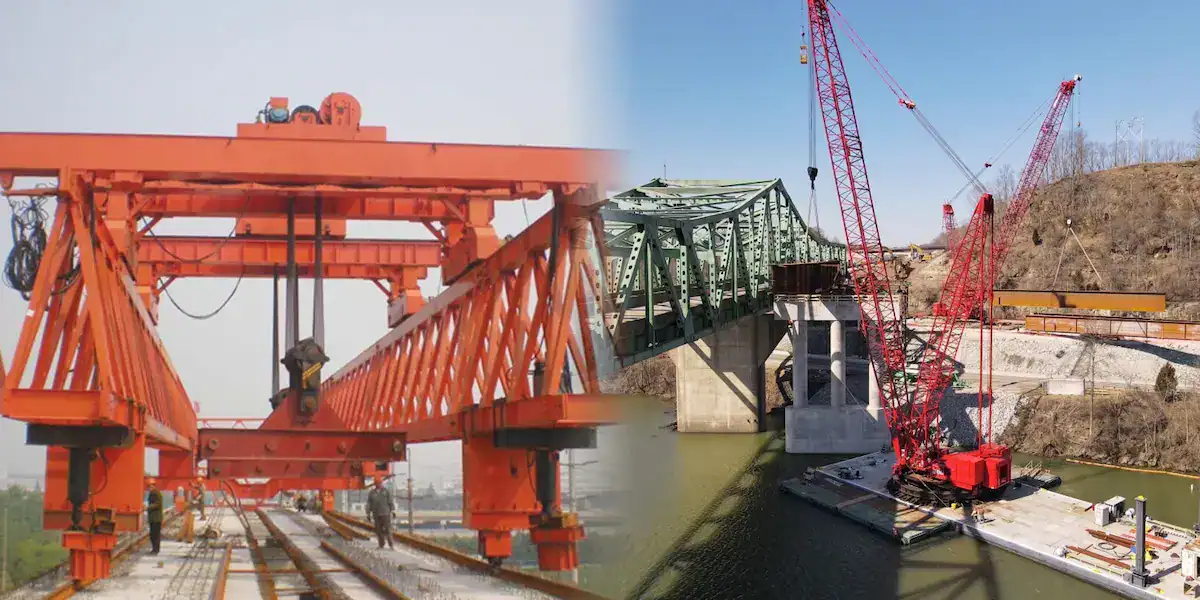
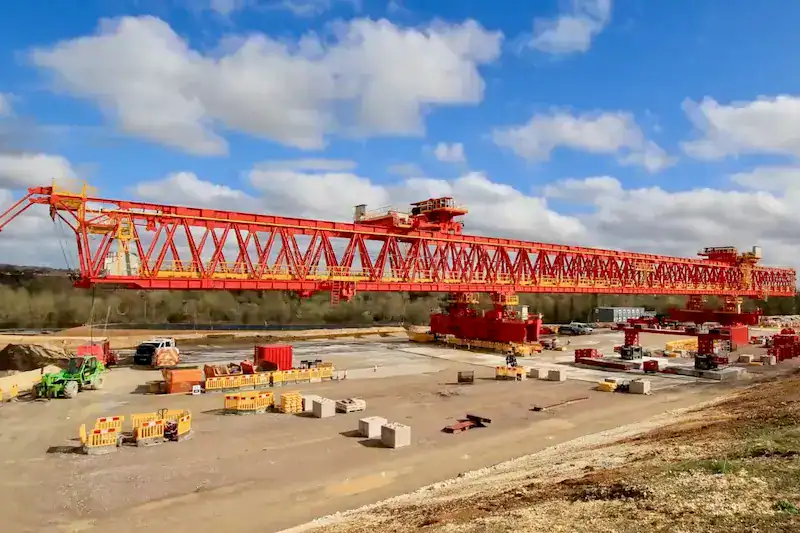
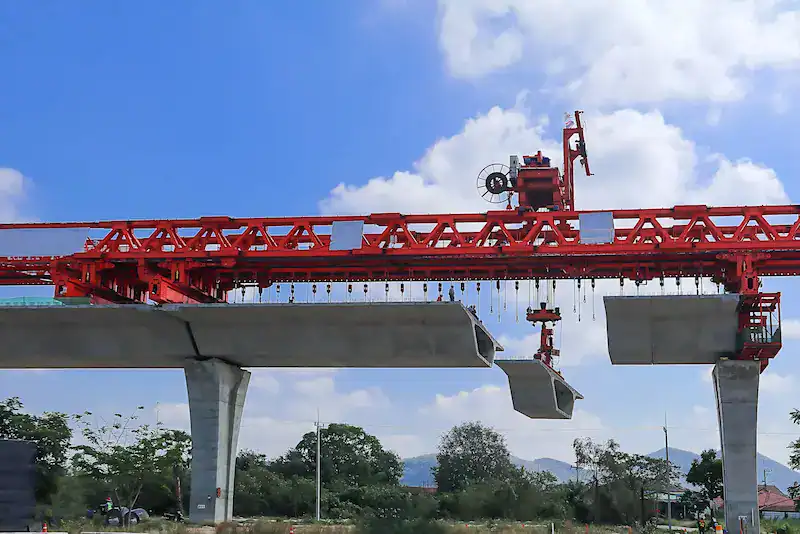
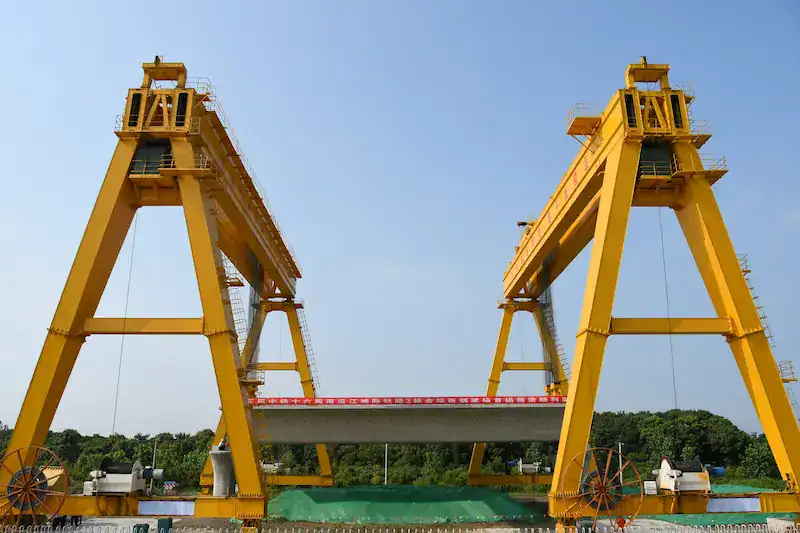
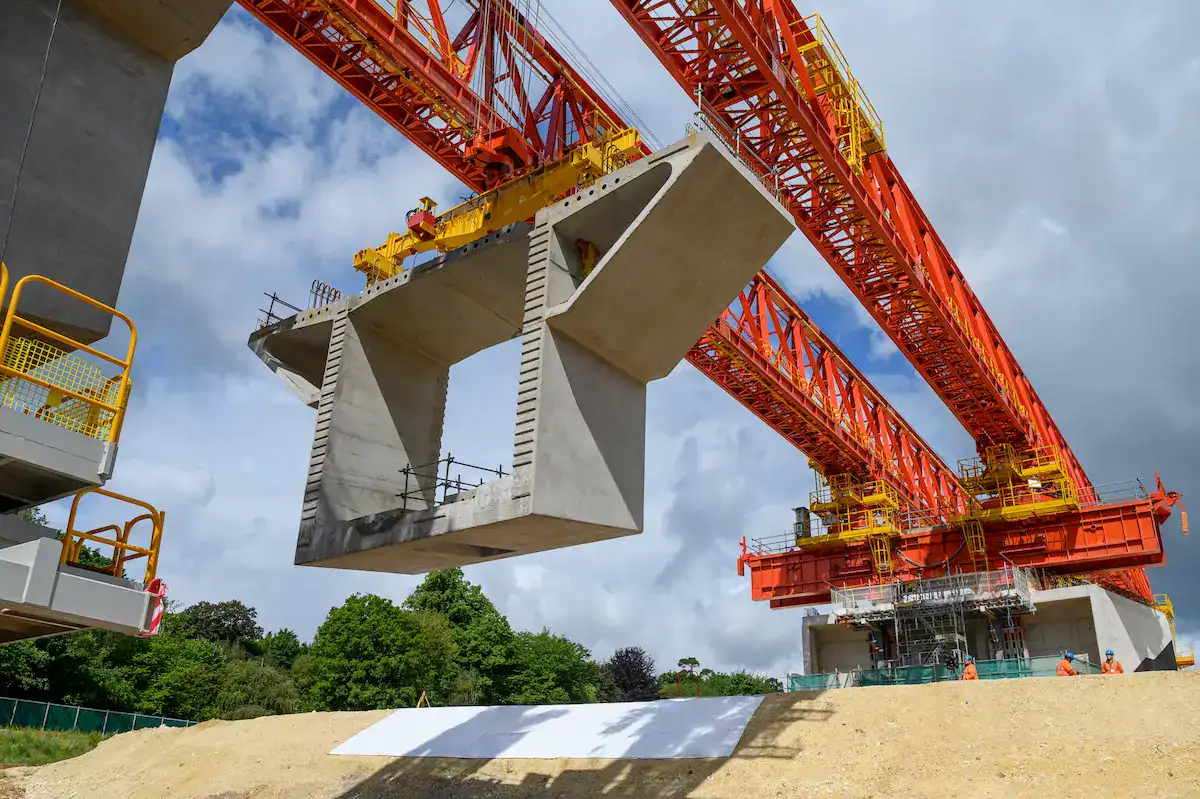
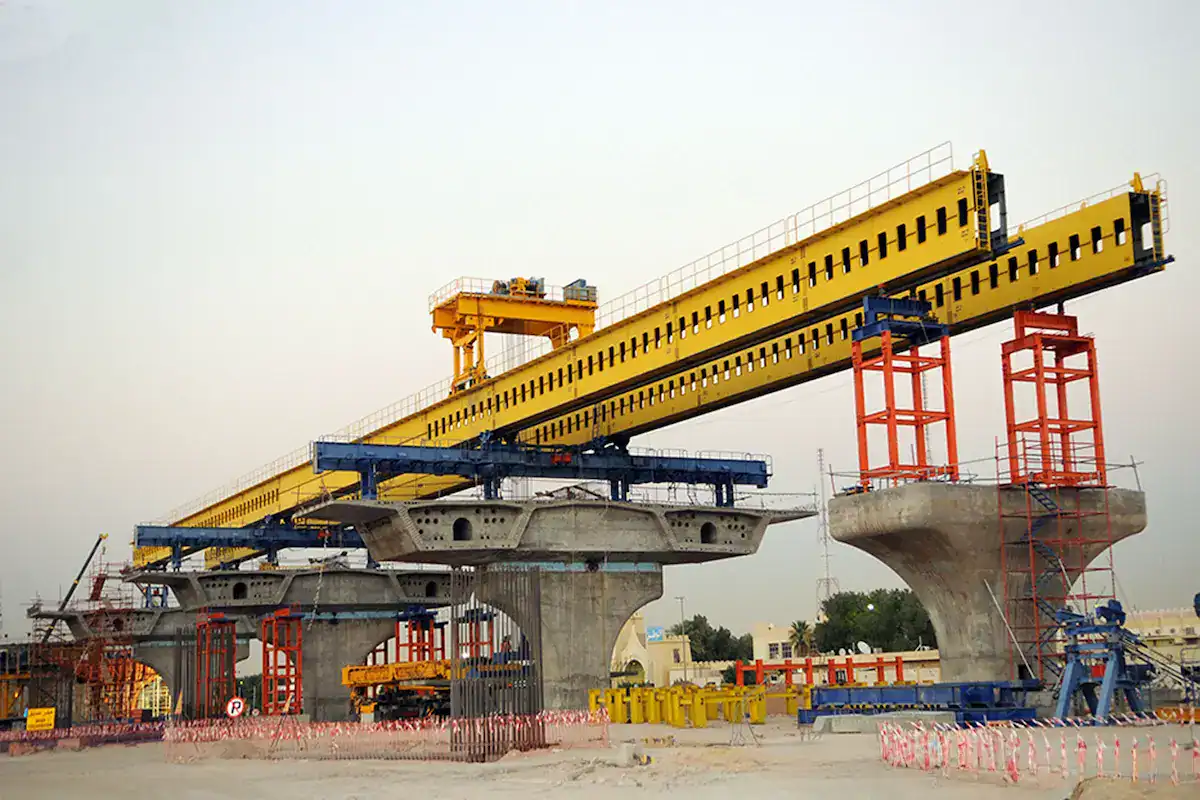
- Basic structure of a bridge launching gantry:A bridge launching gantry is heavy industrial lifting equipment designed to erect prefabricated concrete or steel beams. Its core structure includes main girders (truss or box type), support legs, travel mechanisms, lifting trolleys, hydraulic and electrical systems. The main girder serves as a bearing and longitudinal moving track, carrying loads during the entire erection cycle.
- Workflow for erecting prefabricated box, T, and U beams:The operation process follows a highly standardized assembly line sequence.
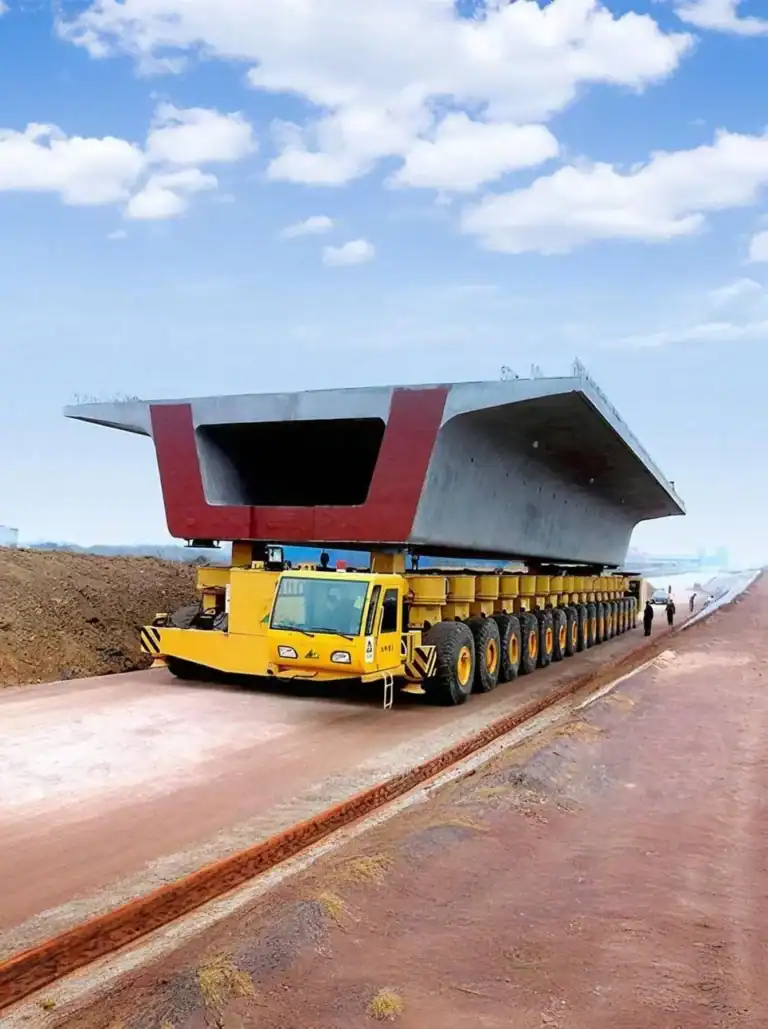
- Beams from the prefabrication yard are transported to the rear of the bridge launching gantry by beam carriers.
- Lifting trolleys hoist the beam and move forward along the main girder track to the designated span position.
- The beam is accurately placed on pier bearings through longitudinal and transverse fine-tuning of the trolleys.
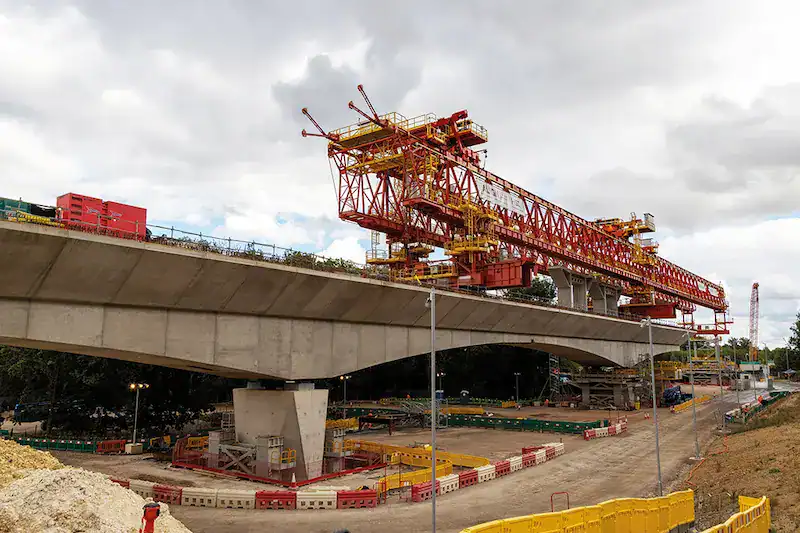
- After completing one span, the bridge launching gantry moves forward to the next span using its hydraulic system.
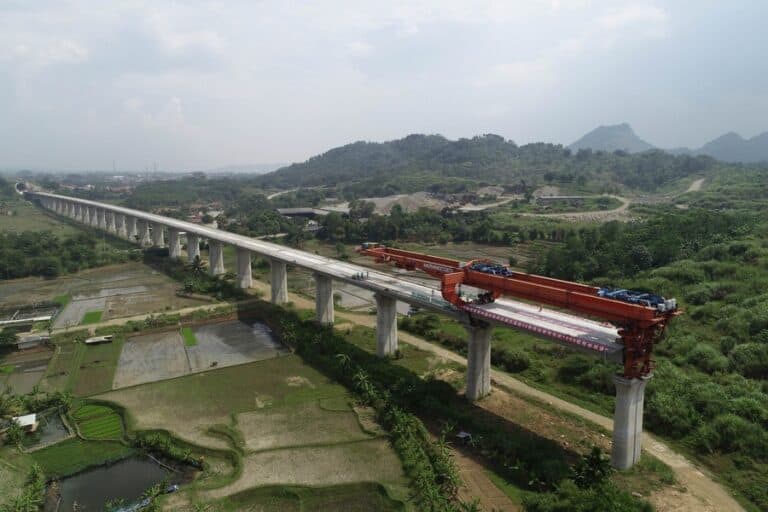
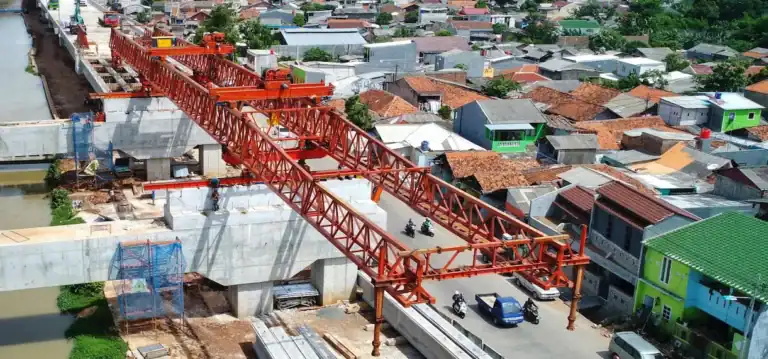
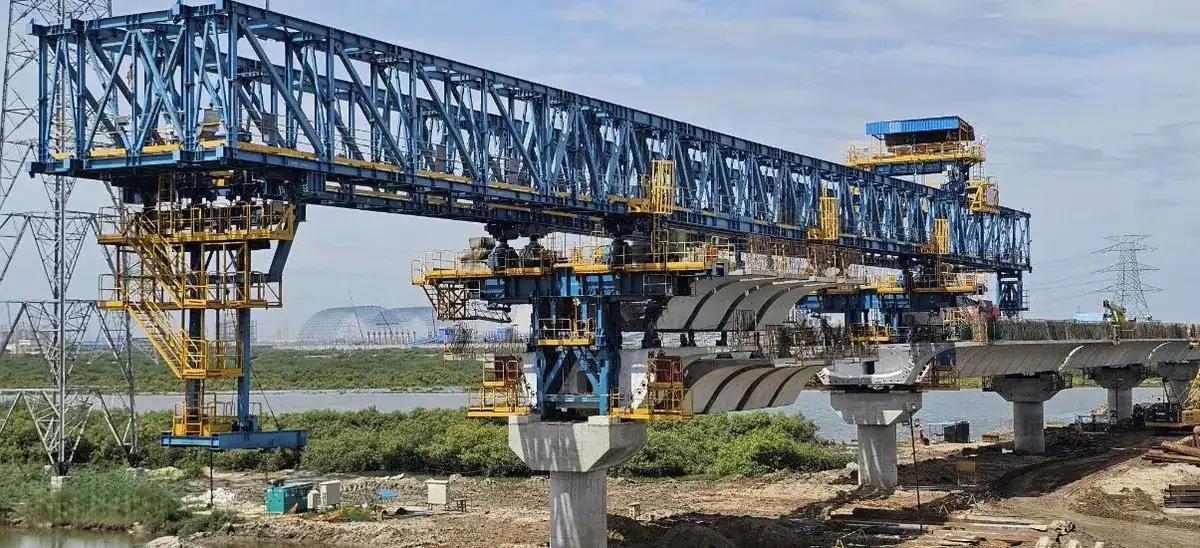
- Typical application scenarios:Operating mid-air without ground supports, the bridge launching gantry is widely used for high-speed railway bridges. It is also utilized for urban overpasses to maintain traffic and construct within limited spaces. Additionally, it suits modern bridge construction in complex terrains like deep canyons and cross-sea projects.
Introduction to traditional bridge erection methods
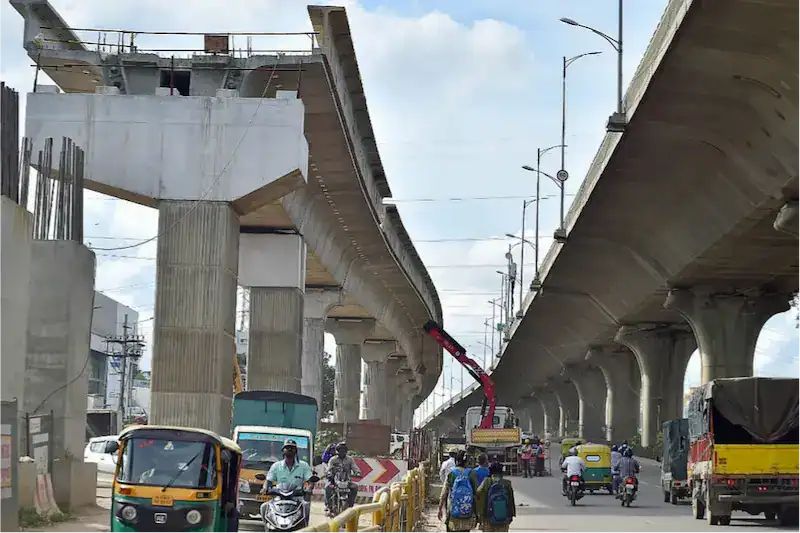
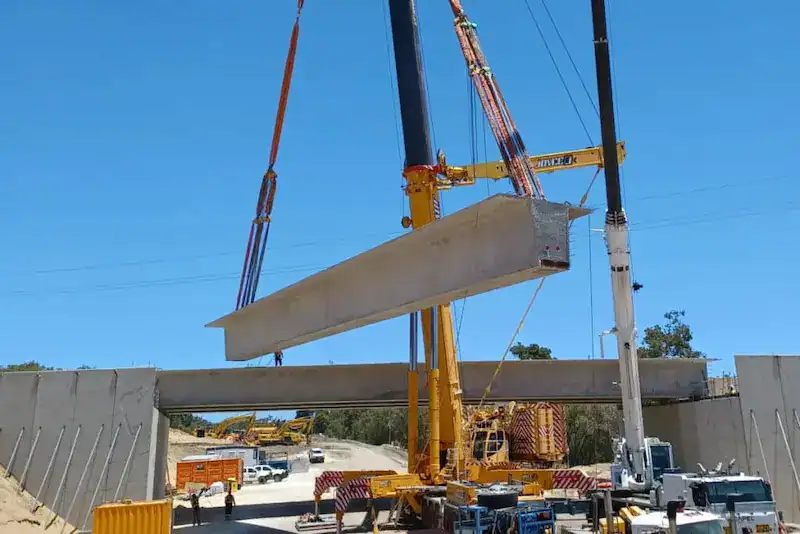
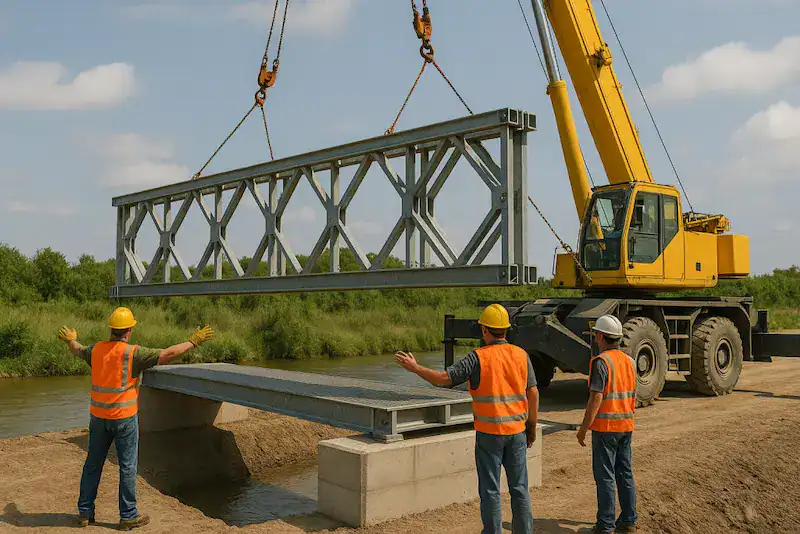
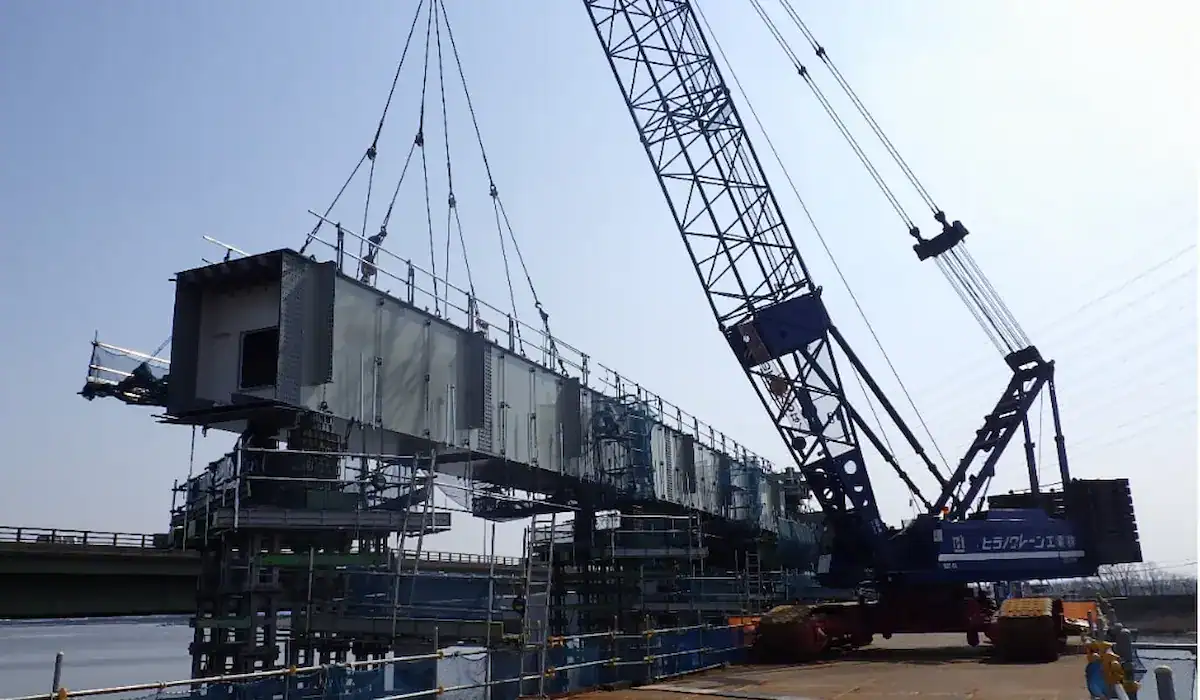
- Mobile crane erection:Mobile cranes hoist beams from the side or underneath the bridge. This method offers high mobility and fast equipment deployment. However, lifting capacity drops sharply as the working radius increases due to outrigger and boom limitations. Therefore, it is usually limited to low piers, standard spans, and flat, solid ground conditions.
- Crawler crane erection:Crawler cranes are utilized to perform lifting operations. Crawler cranes provide low ground pressure, high capacity, and can travel with loads. However, assembly and disassembly cycles are long. They also require high bearing capacity for access roads and lifting foundations.
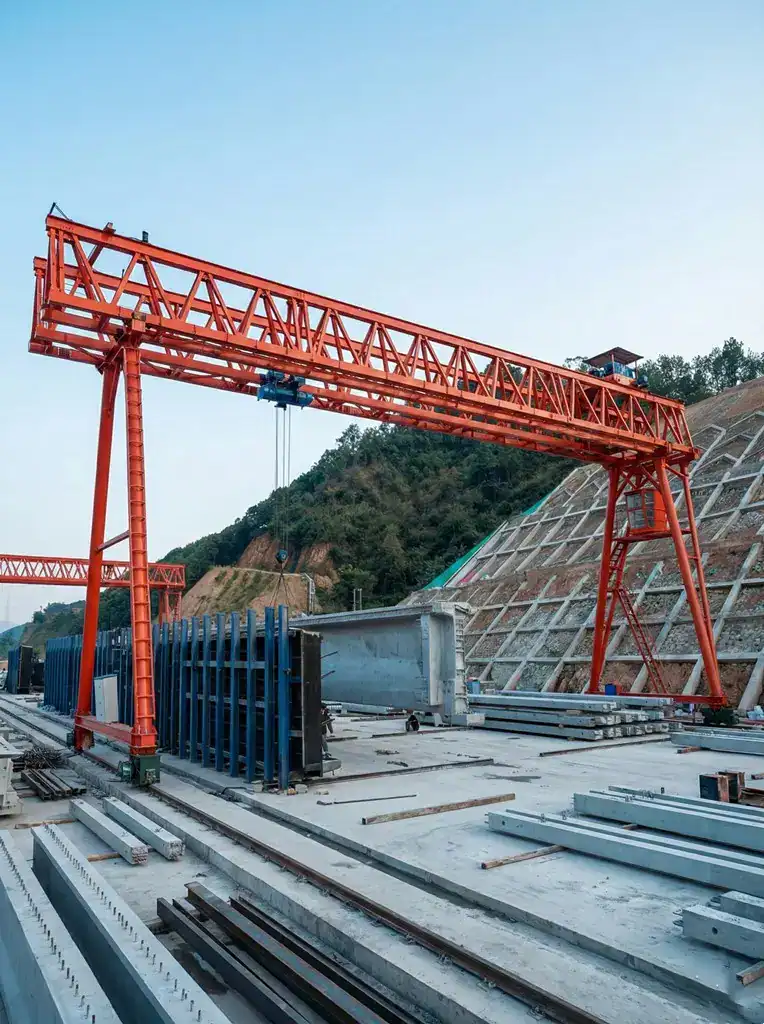
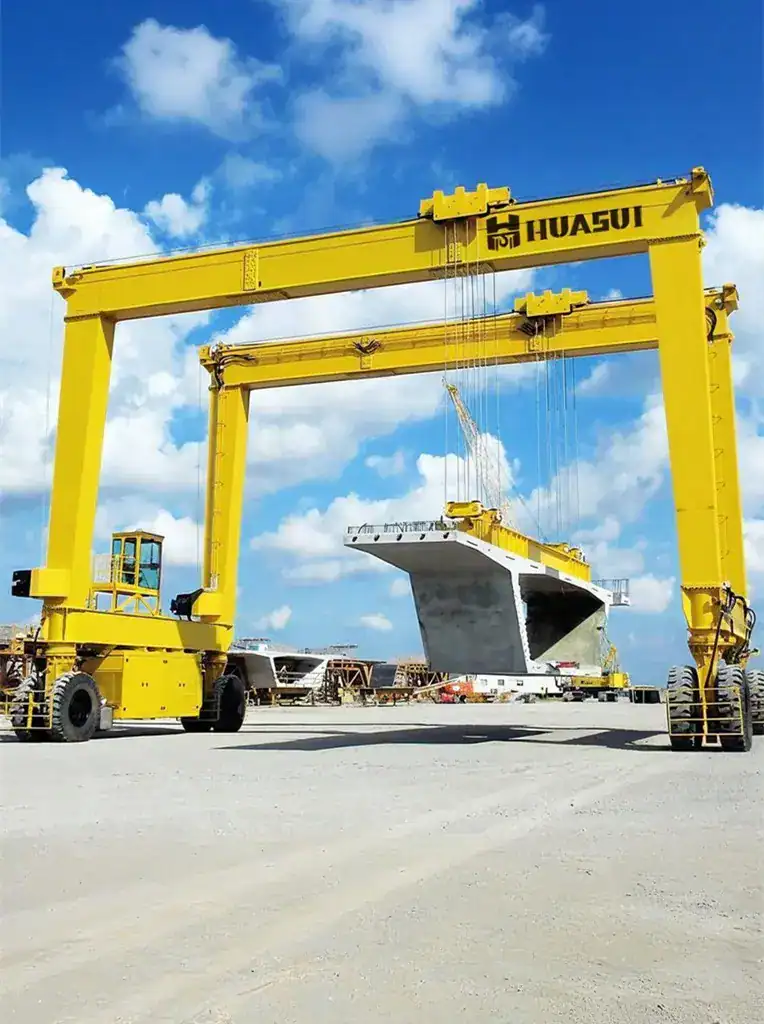
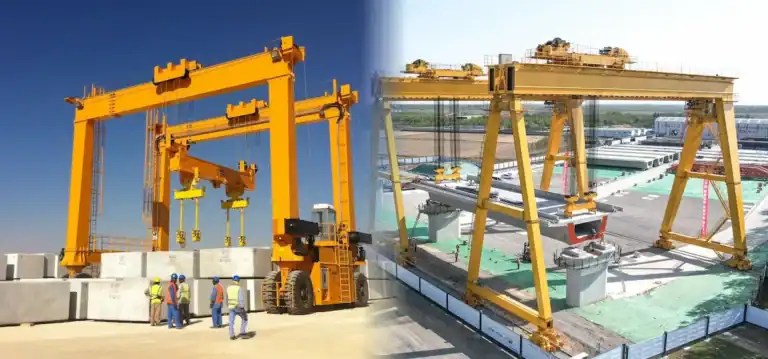
- Gantry crane erection with transport:Steel rails are laid on both sides or atop piers to assemble long-span gantry cranes. Beam carriers transport prefabricated beams under the gantry crane for lifting, moving, and lowering. This method suits continuous bridges with flat terrain, long approach spans, and uniform pier heights. However, rail laying and crane relocation involve heavy workloads and high costs.
- Manual-assisted assembly methods:Full scaffolding or temporary steel trusses are built between two bridge piers. Workers use small equipment like winches and chain hoists to assemble segmental beams in situ. This method features long construction cycles, high labor intensity, and extreme safety risks at high altitudes. Currently, it is only used for small spans in remote mountainous areas where machinery cannot enter.
Core differences between bridge launching gantry and traditional bridge erection methods
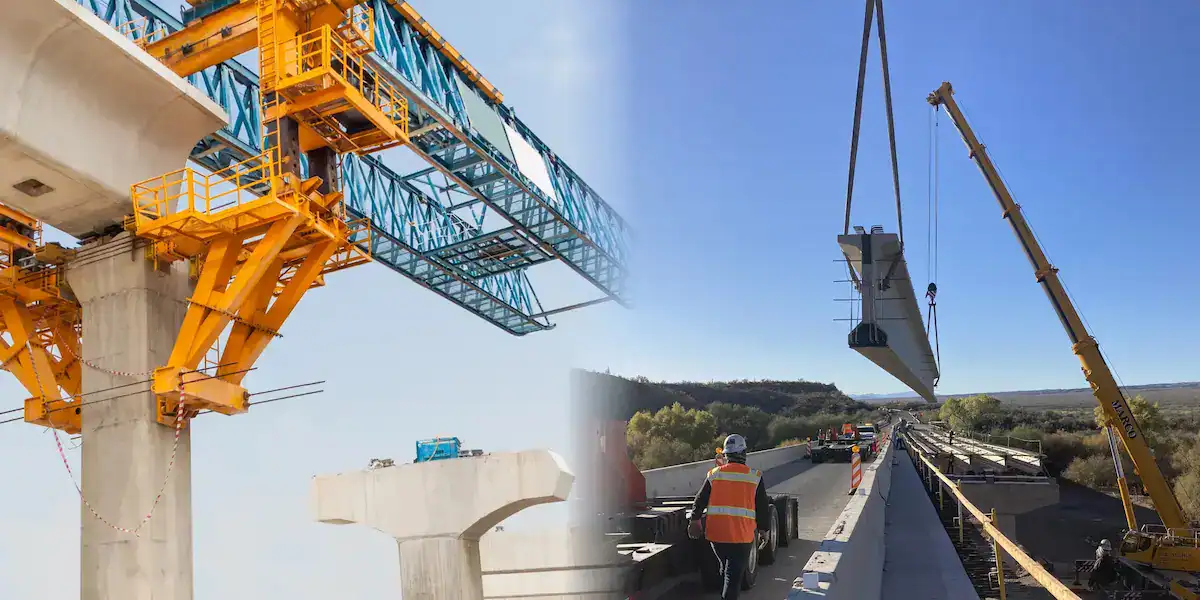
Choosing the right method impacts project schedules, costs, and safety. Traditional methods suit small projects, but bridge launching gantries are essential for large, complex modern bridges.
Comparison Item | Bridge Launching Gantry Construction | Traditional Bridge Erection Methods |
Construction Efficiency | Extremely high. Automated operations erect 2-4 spans daily. Efficiency is unaffected by pier height or span length. | Low to medium. Frequent crane relocation and coordination limit continuous operation, leading to longer project schedules. |
Terrain Adaptability | Extremely strong. Mid-air operation requires no ground scaffolding. It perfectly fits deep canyons, high piers, and busy traffic. | Highly restricted. It depends heavily on ground terrain. It requires large lifting sites and high-standard access roads. |
Labor Dependence | Low. High system integration uses integrated controls. Core operations require only 5-8 personnel. | High. It requires many ground riggers, operators, and scaffolding workers. Managing multiple trades is highly complex. |
Safety | High. Beams move rigidly within the main girder, minimizing wind sway. It includes complete mechanical safety protection. | Lower. Multi-crane lifting risks rope swaying. Cranes face tipping or outrigger sinking risks on soft ground. |
Initial Investment | Higher. Specialized equipment procurement or leasing costs are high. Initial assembly requires professional teams and auxiliary cranes. | Lower. General lifting machinery rentals are mature. It features fast deployment without large upfront development costs. |
Summary: Traditional lifting costs less initially, suiting small projects on flat terrain. Despite higher upfront costs, bridge launching gantries are essential for large continuous bridges due to high efficiency, safety, and superior terrain adaptability.
Which erection method suits different bridge projects?
Projects better suited for bridge launching gantries
- High-speed railway bridges:High-speed rail projects enforce strict standards on box beam flatness, pier settlement, and millimeter-level erection accuracy. The bridge launching gantry ensures precise placement of heavy box beams via rigid main girders and hydraulic fine-tuning systems. It is standard equipment for high-speed rail construction.
- Urban overpasses and cross-line projects:When upgrading urban roads or crossing existing railways, construction clearance is limited, and traffic cannot be closed long-term. Operating on top of the bridge, the bridge launching gantry never occupies ground right-of-way. This perfectly solves urban and cross-line traffic diversion challenges.
- Long-span continuous bridges:For long bridges with dozens or hundreds of spans and high piers, the self-launching capability of the equipment completely eliminates time lost from repeated traditional crane transfers. This achieves efficient, large-scale progress.
- Mass prefabricated beam projects:When a section contains numerous standard prefabricated beams (such as T-beams or U-beams), the assembly-line operation reduces the average erection cost per beam to a very low level. This provides significant schedule and cost advantages.
Projects better suited for traditional bridge erection
- Small bridge projects:For scattered river crossings or approach bridges with only a few spans and under 100 meters total length, transporting and assembling a bridge launching gantry takes too long. Utilizing mobile or crawler cranes with high mobility ensures shorter total project durations.
- Flexible schedule projects:Traditional ground lifting is a practical option if the project has no strict deadlines, high tolerance for delivery time, and avoids rainy or windy seasons.
- Limited budget projects with good terrain:If the ground is solid and flat, requiring no expensive load-bearing access roads, renting mature general lifting equipment significantly reduces upfront cash flow pressure for budget-constrained projects.
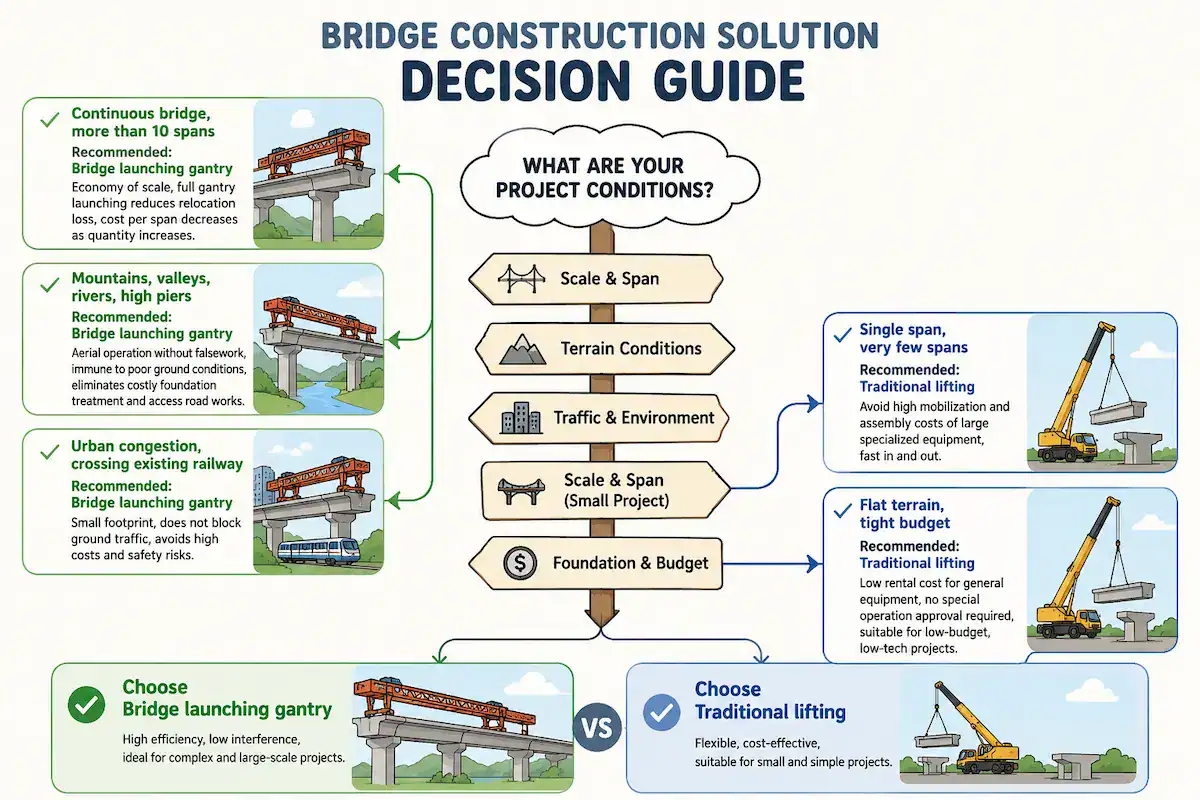
Bridge erection method decision guide
To help project managers quickly screen equipment, please refer to the core decision matrix below:
Core Project Features | Preferred Option | Core Decision Basis |
Scale & Spans: Continuous bridges, spans > 10 | Bridge launching gantry | Clear scale effect. Self-launching eliminates transfer losses. Erection cost per span decreases with quantity. |
Terrain Conditions: Mountains, deep valleys, rivers, high piers | Bridge launching gantry | Mid-air operation requires no scaffolding. It overcomes poor geology, eliminating high ground treatment and access road costs. |
Traffic & Environment: Congested urban areas, crossing existing railways | Bridge launching gantry | Small footprint. It does not disrupt ground traffic, avoiding high road closure coordination costs and safety risks. |
Scale & Spans: Scattered single spans, very few total spans | Traditional crane lifting | Avoids sunk costs of transporting and assembling large specialized equipment. It features fast deployment and removal. |
Ground & Budget: Flat and open terrain, tight budget | Traditional crane lifting | Low rental threshold for general equipment. No specialized operation approvals needed. Suitable for low-budget, low-tech projects. |
Why are more engineering contractors choosing bridge launching gantries?
Under global infrastructure upgrades and labor structural shifts, global road and bridge contractors are transitioning from “low initial investment guidance” to “full life-cycle benefit guidance.” The rapid adoption of bridge launching gantries stems naturally from this market evolution.
Industrial transformation and core drivers
- Addressing aging labor and high costs:Traditional lifting relies heavily on large, high-intensity labor teams of riggers, ground signalmen, and high-altitude workers. Currently, skilled frontline construction workers face severe shortages and surging costs. Integrating erection processes into mechanical-electrical-hydraulic systems, bridge launching gantries replace labor with machinery. This slashes core teams to single digits, solving labor shortages and high labor costs.
- Rigid safety lines and zero-tolerance regulation:With modern engineering implementing a “one-vote veto” for major safety accidents and strict high-altitude regulations, contractors cannot risk instability or overturning associated with traditional lifting. Using rigid mechanical tracks for systematic reliability, bridge launching gantries eliminate over-reliance on manual field experience. It stands as core protection for achieving “zero-casualty” safety targets.
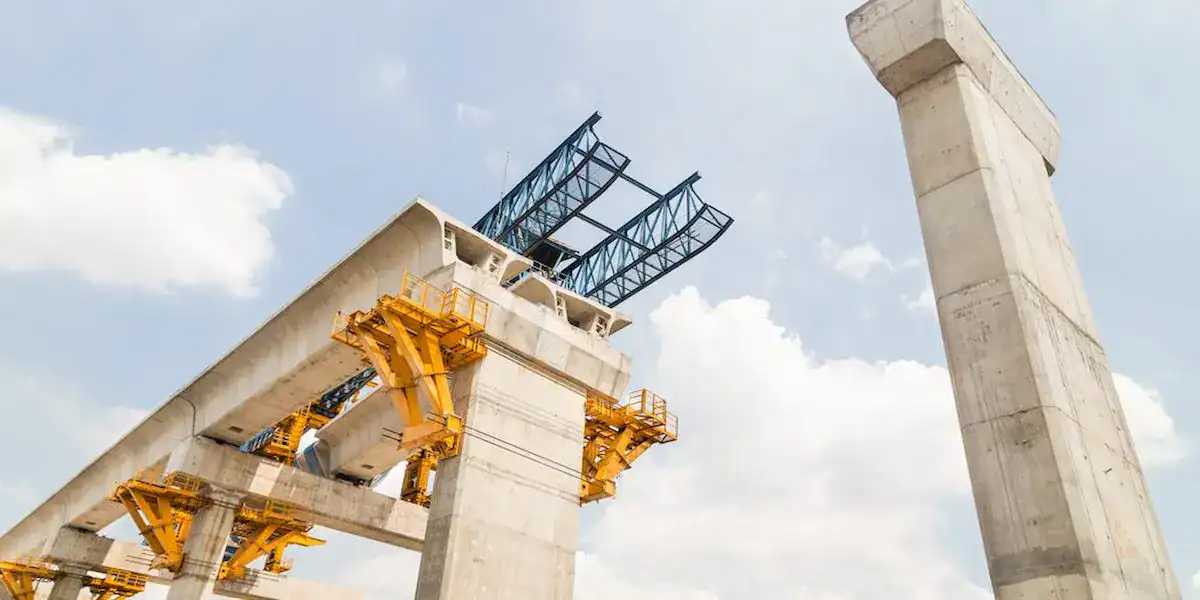
- Infrastructure shifting to complex terrains and extreme conditions:Conventional bridge construction in flat plains has fully matured. Recent infrastructure maps show high piers, long spans, and complex curved bridges becoming the norm. Examples include mountainous channels, cross-sea bridges, and dense urban rail transit elevated networks. Facing extreme spaces unreachable by traditional cranes, the bridge launching gantry is one of the few feasible solutions.
Industry trends and market demand analysis
- Scale effect of Engineering Procurement Construction (EPC) models:Modern long-distance bridge projects often adopt integrated EPC models, where general contractors evaluate equipment value across the full lifecycle. Although procurement or modification costs are high, a stable speed of 2-4 spans daily secures the schedule. This helps contractors deliver early and claim incentive bonuses, driving down comprehensive total costs in large, long-term projects.
- Trends toward prefabricated and heavy-duty construction:Modern bridge designs constantly break weight and span records to reduce on-site wet operations and improve seismic rigidity. Prefabricated beams spanning 30 to 40 meters and weighing hundreds or thousands of tons have become standard. Traditional mobile and crawler cranes hit physical limits regarding lifting height and working radius when handling these ultra-heavy beams. This directly drives the market demand for specialized, large-tonnage bridge launching gantries.
Industry Consensus: Choosing a bridge launching gantry appears to be selecting efficient construction machinery. Essentially, contractors are choosing a standardized, industrialized, and controllable modern project management model.
Why choose HSCRANE bridge launching gantry?
As a professional engineering lifting equipment manufacturer, HSCRANE focuses on providing highly reliable special beam erection solutions for global bridge construction.
- Full-scenario product matrix:We provide customized bridge launching gantries covering high-speed railway box beams, highway T/U beams, and segmental assembly. Lifting capacities range from 50t to 1200t, fully adapting to complex construction environments like large longitudinal slopes, small curvature radii, and high cross-sea wind pressures.
- Core technical advantages:The main girder adopts a high-rigidity and lightweight design, ensuring excellent torsional performance. The core drive features PLC frequency control and hydraulic synchronous fine-tuning systems, achieving millimeter-level precise beam placement under heavy loads. Standard anti-overturning functions and multiple intelligent safety interlocks ensure flawless high-altitude operations.
- Meeting strict international safety standards:Design and manufacturing strictly follow mainstream engineering codes like GB, FEM, and DIN, passing ISO quality management systems and international safety certifications like CE. Core load-bearing structures undergo strict non-destructive testing (NDT) and overload type tests before leaving the factory. This cuts structural failure risks at the source, building a solid defense line for project compliance acceptance.
- Reducing total costs:HSCRANE adopts a modular pin connection design, shortening on-site assembly and relocation cycles by nearly 30%. With low mechanical failure rates and continuous, efficient launching capabilities, it helps contractors slash site labor and management expenses. This accelerates project fulfillment and optimizes the full lifecycle cost.
Conclusion
The choice of a bridge erection scheme is a comprehensive trade-off between project scale, terrain geology, schedule deadlines, and financial budgets.
For small projects with very few spans, flexible schedules, and flat ground, traditional lifting can avoid transportation and assembly costs of large specialized equipment, offering better initial economy. However, in large continuous bridges, deep valleys, urban overpasses, and heavy-haul high-speed railway projects, the bridge launching gantry demonstrates unmatched efficiency and stability through its assembly-line continuous launching capability and systematic rigid safety assurance.
Final Recommendation: General contractors and project decision-makers should abandon the single perspective of “initial equipment investment” and comprehensively evaluate the “comprehensive project lifecycle cost.” In medium and large projects, bridge launching gantries significantly compress key process times, cut redundant on-site labor, and systematically eliminate high-altitude hazards. The schedule benefits and hidden value created will far exceed the upfront equipment purchase or rental investment.
Looking for a bridge launching gantry solution for your project?
No matter what complex span, geology, or extreme working conditions you face, HSCRANE can match the optimal engineering equipment configuration for you.
【Contact HSCRANE Now】 to get professional construction selection advice and customized equipment quotes from senior engineers, helping your bridge project achieve a win-win situation in safety and benefits!
Extended Reading: How does a bridge launching gantry achieve “continuous mid-air operation”?
After understanding the advantages of bridge launching gantries in comprehensive cost and efficiency, the next step is to evaluate the practical details of on-site construction operations.
From first-span assembly, rear beam feeding, trolley lifting and placement, to self-launching, click to read 【Bridge Girder Launcher Construction Process: Erection & Span Passing】 to fully master the technical details of precise high-altitude erection of heavy prefabricated beams.
Frequently Asked Questions
Q: At what span count does a bridge launching gantry become more cost-effective than mobile cranes?
A: Usually above 20–30 spans. The scale effect cuts costs per beam below multiple mobile cranes. For example, on a 40-span viaduct, a gantry delivered an 18% lower total lifecycle cost.
Q: Can a launching gantry handle sharp horizontal curves and steep gradients?
A: Yes. Modern gantries use articulated girders, adjustable legs, and hydraulic trolleys. HSCRANE machines handle curves down to R=150 m and 6% slopes, maintaining ±2 mm placement tolerance.
Q: What is the typical on-site assembly time for a bridge launching gantry?
A: Road-bridge gantries (80–200 t) take 7–10 days; high-speed rail units (≥900 t) take 12–18 days. HSCRANE’s modular pin connections reduce this assembly time by up to 30%.
This document is for reference only. Specific operations must strictly comply with local laws and regulations and equipment manuals.

Get Expert Advice for Your Bridge Project
Our engineering team brings decades of experience in bridge construction equipment. Let us help you find the right solution.

 Scan to chat