 EN_US
EN_US  Español
  Русский
  العربية
  Português do Brasil
  Français
  Bahasa Indonesia
  Türkçe
  Tiếng Việt
  Bahasa Melayu
  Українська


 Technical Insight
Technical Insight
Bridge Construction Equipment Selection and Cost Control Guide (2026)
Overview
Many people in bridge engineering mistakenly think buying equipment is just an immediate purchase expense. As industry insiders, we know well that bridge construction equipment selection decides the project’s survival. Choosing the wrong bridge launching gantry for heavy precast beams causes serious downtime. Improper beam lifting gantry crane tonnage leads to yard reconstruction and major safety risks. These hidden costs are often over ten times the initial purchase price difference. Simply put, picking the wrong equipment guarantees project losses. Bridge construction in 2026 demands refinement. How can you spend money wisely? This guide reveals the cost-saving and high-efficiency secrets of bridge construction.
Planning a bridge project?
HSBRIDGE provides complete solutions for bridge launching gantry, beam lifting gantry crane, and beam transporter. We help bridge construction companies reduce purchase costs and improve construction efficiency.
Contact HSBRIDGE now for free bridge construction equipment selection advice and budget plans.
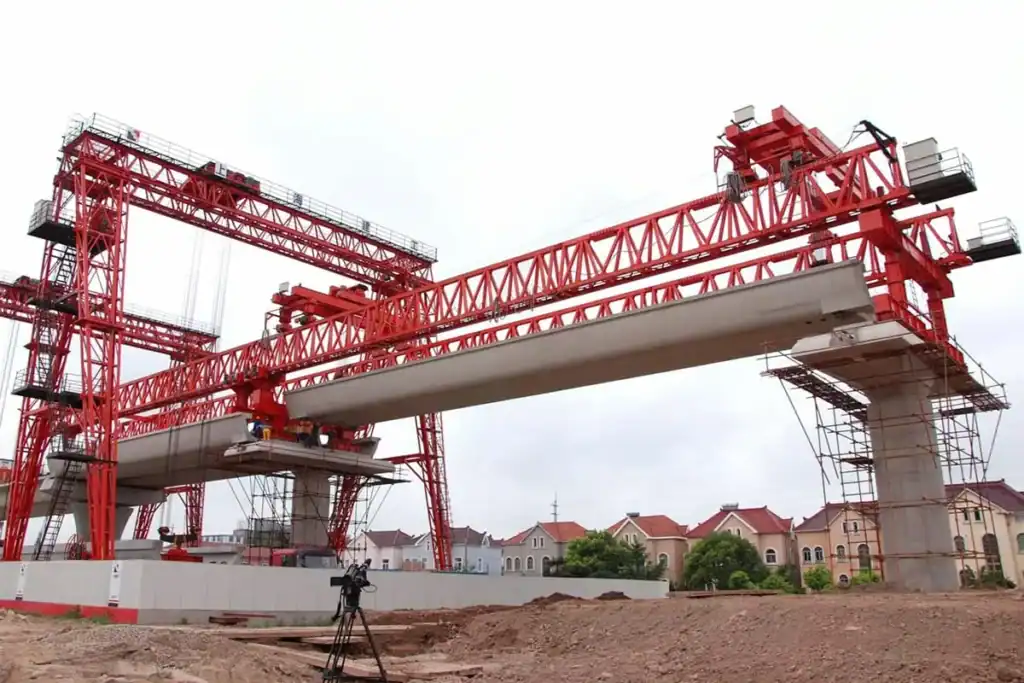
What is the common bridge construction equipment?
In bridge construction, equipment coordination works like a combination punch. The three core components handle a precast beam’s production, transportation, and installation. To optimize this process efficiently without wasting money, we must understand these machines.
Bridge launching gantry
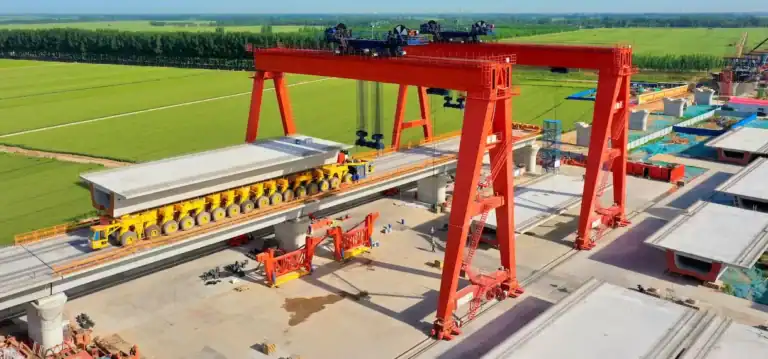
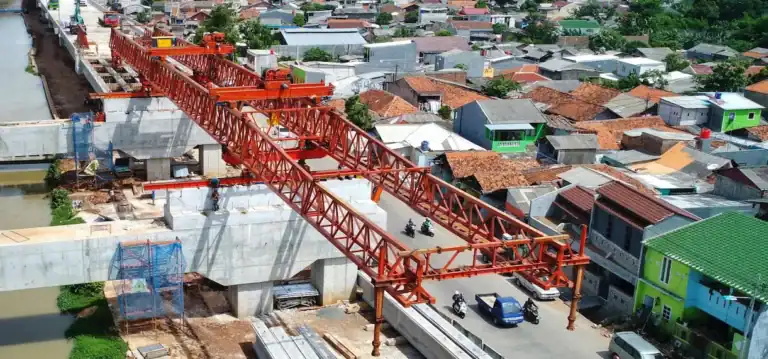
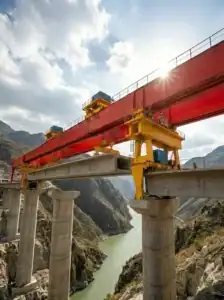
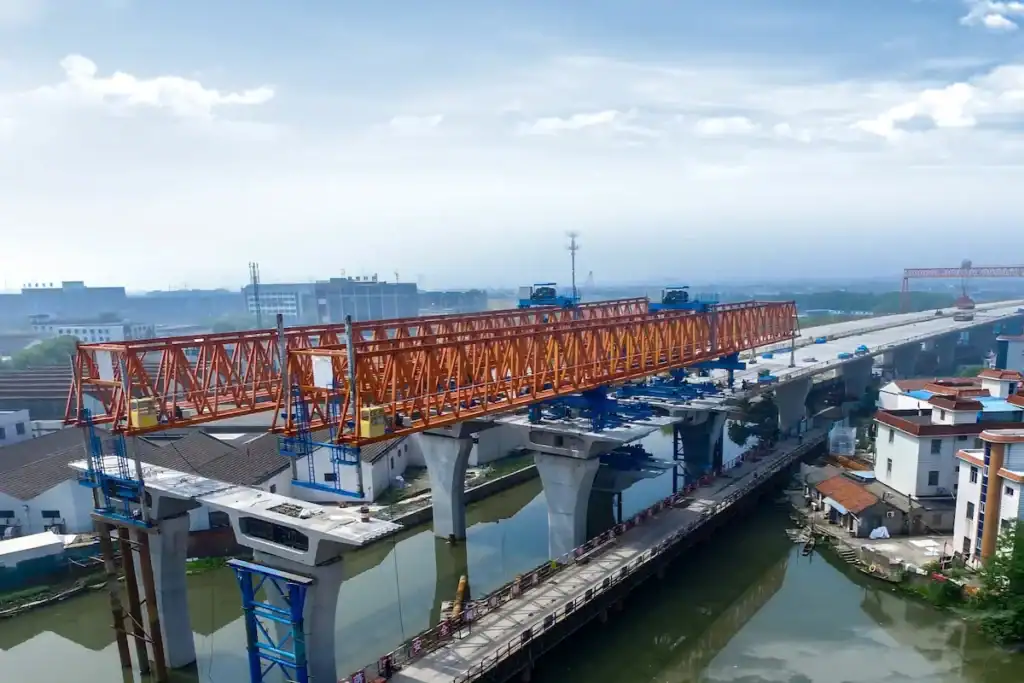
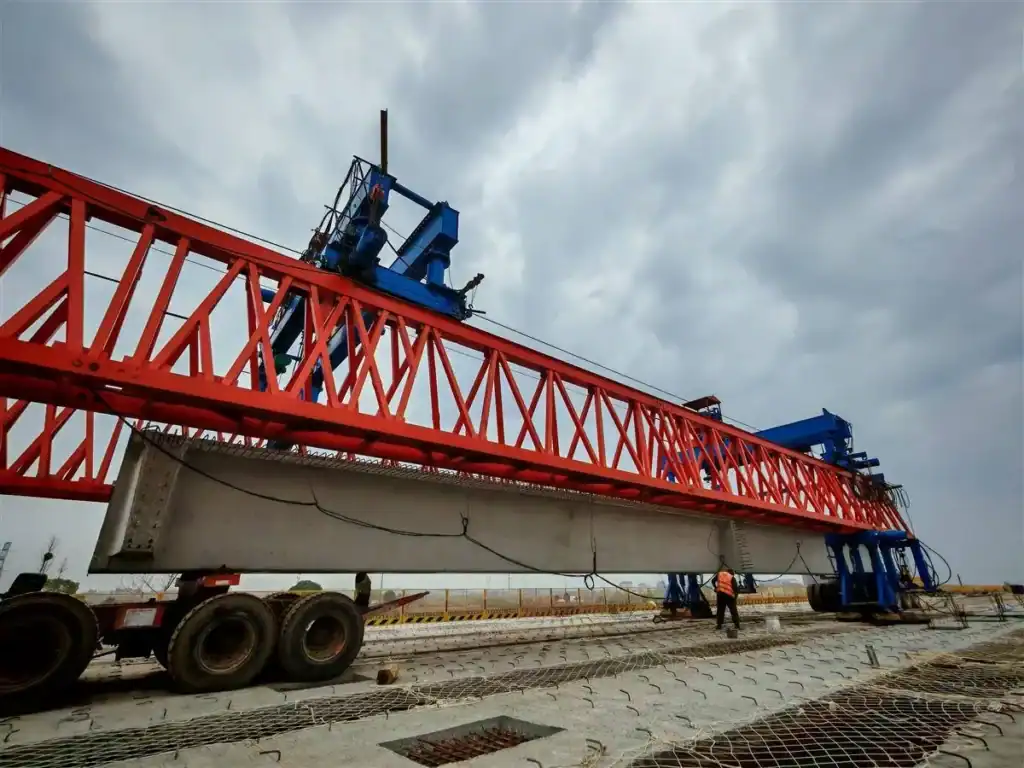
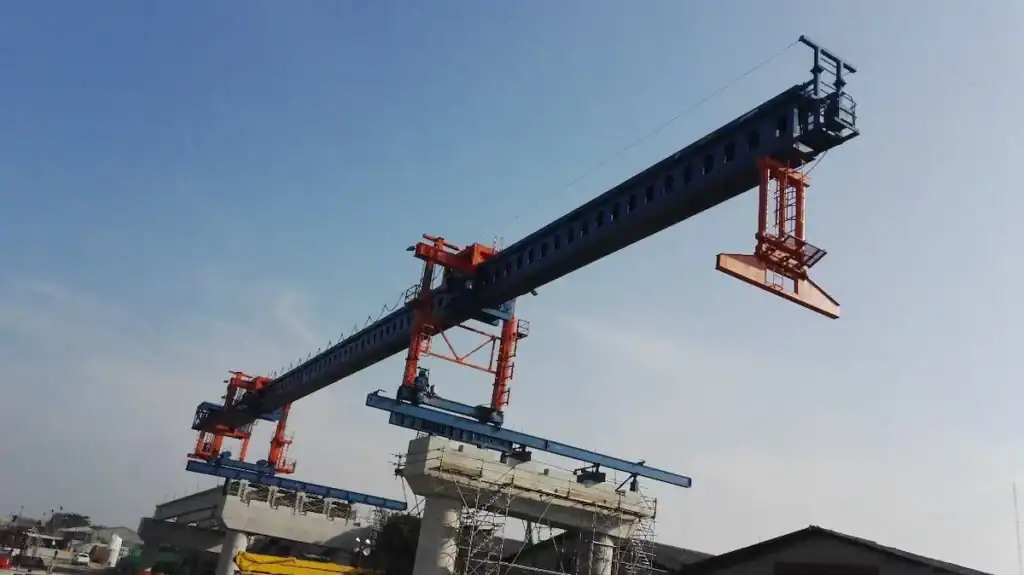
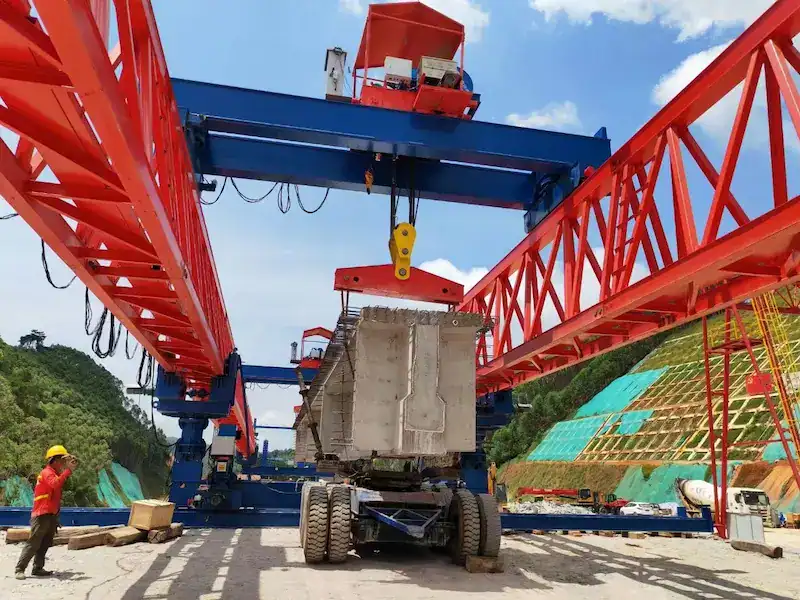
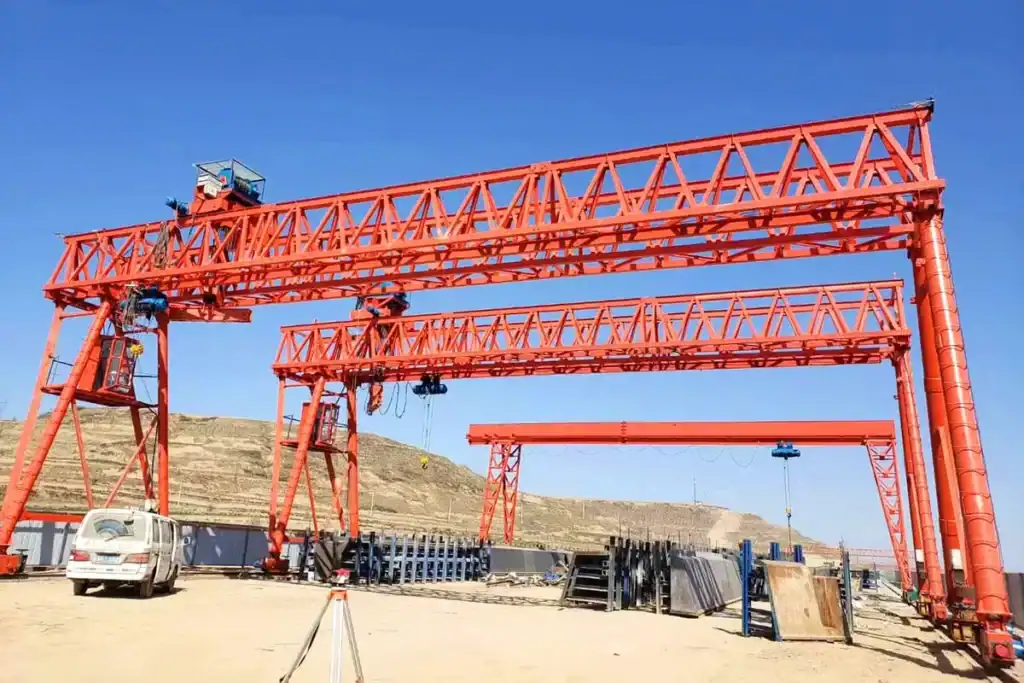
The bridge launching gantry takes the absolute center stage in the project. It precisely installs heavy precast beams delivered by the beam transporter between piers.
- Working Principle: Most models use walking or wheel-rail methods to span piers. They span piers using their own structure to advance and position beams.
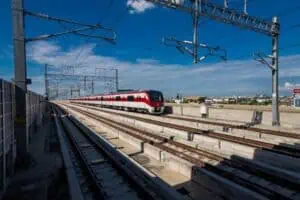
- Applications and Bridge Types: Cross-sea bridges, highways, urban rail transits, and high-speed railways. Common bridge types include T-beams, U-beams, and large high-speed rail box girders.
- Common Tonnage: Highway projects use 100t to 200t. High-speed rail projects require 900t or 1000t.
- Price Factors: Many believe tonnage determines everything, but that is incorrect. Slope adaptability, curved bridge capability, and automation levels create the price gaps.
Key Point: When must you use a large bridge launching gantry?
Large models are mandatory for high-speed rail lines or deep valleys. They are necessary when scaffolding cannot be built over rivers or seas. This heavy bridge construction equipment offers high wind resistance for extreme conditions.
Beam lifting gantry crane
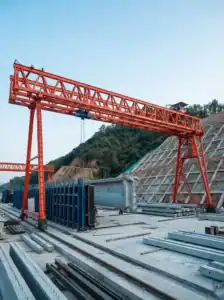
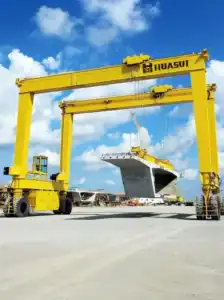
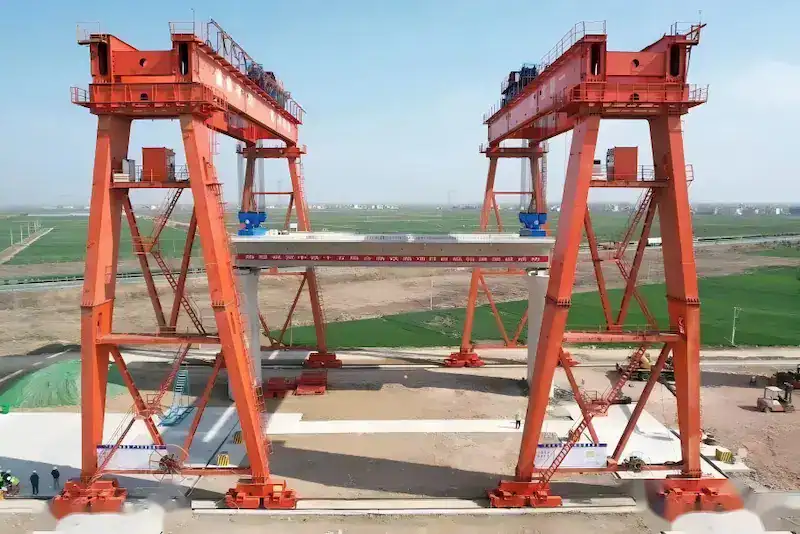
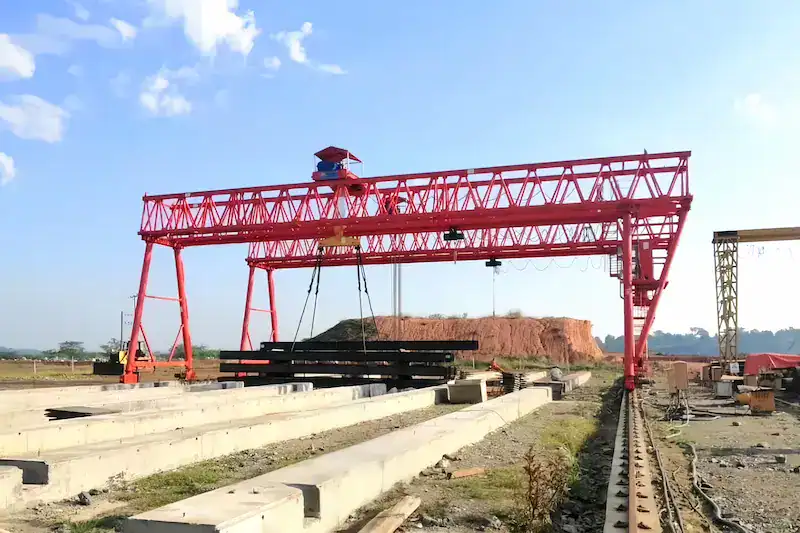
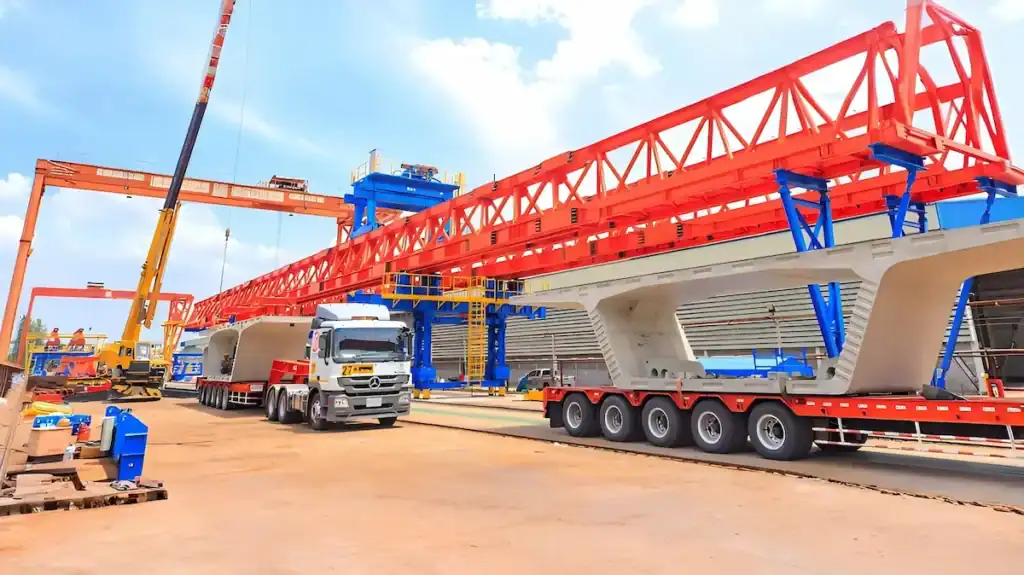
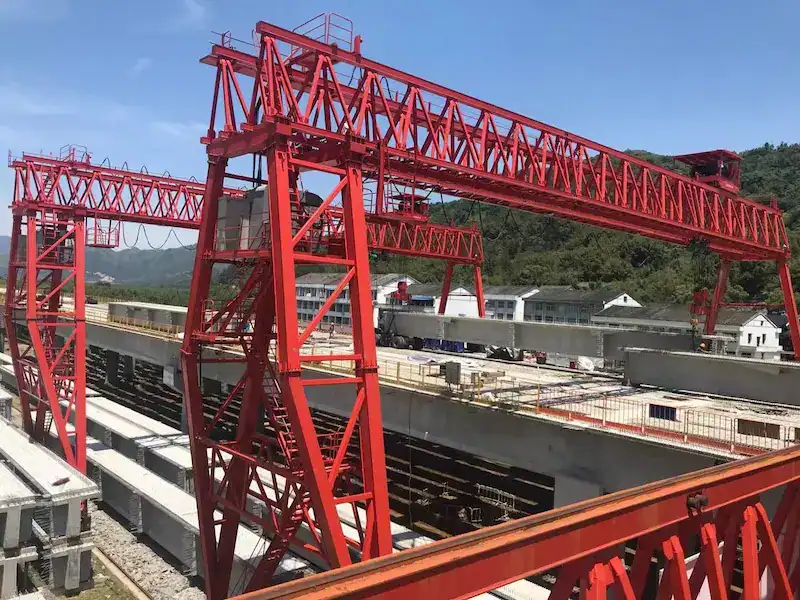
The beam lifting gantry crane works as a crucial mover in precast yards. It handles demolding, moving, storing, and loading onto the beam transporter.
- Lifting Process: Demold from pedestal ➔ Move to storage area ➔ Lift again ➔ Load onto beam transporter.
- Common Classifications:
- Double-girder beam lifting gantry crane: High rigidity, ideal for large tonnage and spans.
- Gantry-type beam lifting gantry crane: Truss type resists wind; box type offers better stability.
Key Point: How to choose the accurate tonnage based on beam weight?
Never buy a 150t beam lifting gantry crane for a 150t beam. This is a critical mistake in the industry. Rated capacity must include a safety margin for dynamic loads. It should be 1.2 to 1.25 times the actual beam weight. Additionally, long precast beams usually require two cranes working together. For a 200t beam, use two 120t cranes synchronously. This ensures proper load balance and controls purchasing costs.
Beam transporter
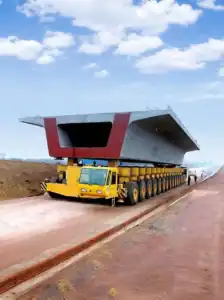
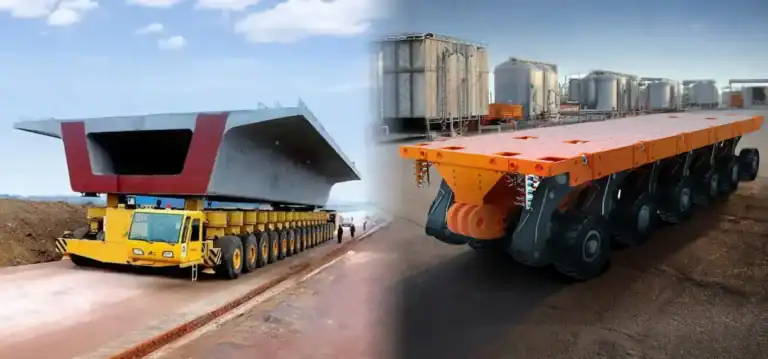
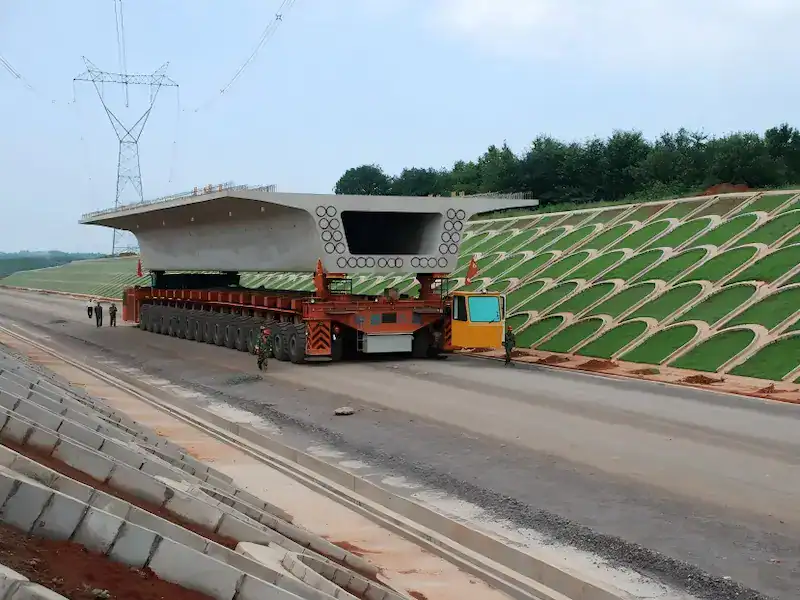
The beam transporter delivers beams from the yard to the site. It must move smoothly, turn sharply, and climb slopes under heavy loads.
- Tire Type: Highly flexible with small turning radius and excellent road adaptability. The mainstream models in 2026 feature multi-axle independent steering technology.
- Rail Type: Requires steel track installation, which demands initial investment. It offers unmatched safety and low operating costs for long straight distances.
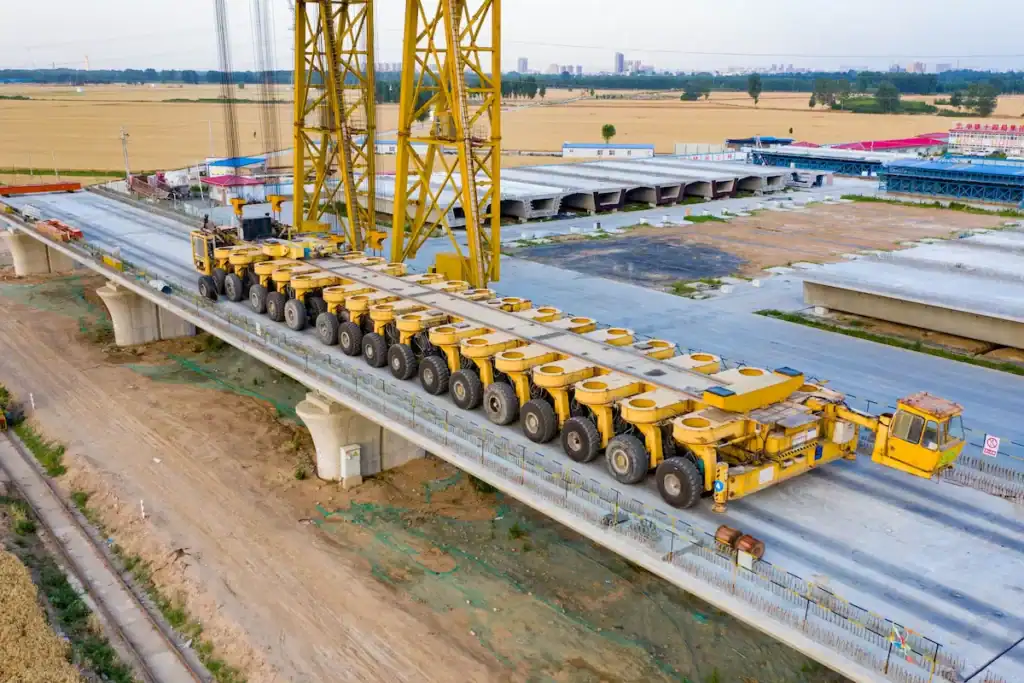
- Self-propelled Type (SPMT): High-end solutions featuring self-power and modular assembly. With hundreds of wheels, it solves ultra-large transport under terrible conditions.
Key Point: How to choose the right model based on transport distance?
- Ultra-short Distance: Simple rail types or basic tire types handle yard movements easily.
- Short-medium Distance: Choose high-power beam transporter for optimal obstacle avoidance and site transfer.
- Long Distance: The rail beam transporter is highly recommended. Tire types face high wear and deviation risks over long distances. Rail types save massive maintenance and energy costs in long-term operations.
6 Key Factors for Bridge Construction Equipment Selection
Avoid impulsive decisions or blindly copying other projects. Equipment must match specific working conditions. Experienced managers use six key criteria for selection. We summarized these core factors in the table below:
| Core Factor | Site Considerations | Decisive Impact on Equipment Selection |
| Bridge Type | Straight, skewed, or curved bridges | Dictates structural design. For small-radius curves, the bridge launching gantry requires special amplitude capabilities. |
| Beam Weight | Maximum weight of a single precast beam | Determines the lifting tonnage for beam lifting gantry cranes and bridge launching gantries. Leave a 1.2-times safety margin. |
| Span | Maximum distance between adjacent piers | Determines main girder length of the bridge launching gantry. Larger spans require higher rigidity. |
| Environment | Strong winds, high altitudes, or tight yards | Coastal areas require truss structures. Tight yards depend heavily on equipment steering flexibility. |
| Timeline | Required daily or monthly progress | Avoid basic models for tight schedules. Choose high-automation equipment to trade efficiency for time. |
| Budget | Purchase price, maintenance, and downtime | Evaluate full lifecycle costs. Consider dual-machine lifting if the single-unit budget is tight. |
Unsure which equipment solution is best?
Every bridge project is unique. Do not let selection errors ruin profits. Share your conditions with us. The HSBRIDGE team will customize a plan based on your indicators:
- Bridge type
- Beam weight
- Maximum span
- Target schedule
We provide a free bridge construction equipment configuration and budget plan. Contact HSBRIDGE experts for professional advice.
How to Control Bridge Construction Equipment Costs?
Many buyers think cutting the bare machine price saves money. This is actually a major misconception. Experienced chief engineers always calculate the Life Cycle Cost (LCC) during equipment selection. Do you think expenses end after purchasing the equipment? The real expenses are hidden in the following accounts:
- Purchase Cost: The written quotation is just the tip of the iceberg of total expenses.
- Transport Cost: Lifting and launching equipment often weighs hundreds of tons. If the structural design allows easy disassembly, standard flatbeds or containers can be used. This saves a large amount of logistics costs.
- Installation and Commissioning Cost: Will on-site assembly take three days or two weeks? Choosing modular equipment reduces auxiliary lifting and labor costs significantly.
- Energy Cost: Running machines consumes real money. Equipment with efficient variable frequency systems or energy-saving motors saves substantial energy over time.
- Maintenance Cost: Are wearing parts easy to buy? Are they industry standard parts? This directly decides your later maintenance bills.
- Downtime Cost: Bridge construction is an assembly line. If a bridge launching gantry or beam lifting gantry crane breaks down, hundreds of workers must wait. One day of delay can cost more than replacing a motor.
In summary, do not just choose the cheapest equipment. Buying reliable equipment with low failure rates is the best cost control.
Common Pitfalls in Bridge Construction Equipment Procurement
Many companies bid effectively but fail during bridge construction equipment procurement. These traps cause budget overruns or delay project progress.
Here are five common pitfalls to avoid:
- Pitfall 1: Focusing only on low purchase prices.
Cheap equipment often uses substandard steel or components. Frequent breakdowns during peak periods cause massive downtime losses. These losses easily exceed any initial savings. - Pitfall 2: Ignoring transport and site access restrictions.
Mountain projects often feature narrow tunnels and restricted bridges. Always check equipment disassembly sizes and transport weights beforehand. Otherwise, equipment cannot enter the site. - Pitfall 3: Cutting automated configurations.
Over-relying on manual labor increases operational risks in 2026. Mainstream high-end equipment features automated systems. Removing these smart features increases adjustment time and overall labor costs. - Pitfall 4: Treating bridge construction equipment as a one-time deal.
A weak manufacturer service network delays spare parts for weeks. Quick remote technical support is your ultimate project lifeline. Never prioritize sales over after-sales service. - Pitfall 5: Ignoring future project compatibility.
Customizing a machine strictly for one small project limits future utility. Choose adjustable, multi-bridge compatible equipment. Spend money once to handle multiple future projects.
Why Choose HSBRIDGE Bridge Construction Equipment?
In the hardcore field of bridge construction, equipment is more than a tool; it guarantees project delivery. HSBRIDGE is the preferred partner for major projects because we do more than sell equipment. We provide engineering solutions that make the construction process simple.
- Rich Bridge Construction Equipment Product Line: We offer the most complete product line in the industry. Our line spans from large bridge launching gantries to efficient beam lifting gantry cranes and complex beam transporter systems. This ensures a true one-stop procurement experience.
- Deep Customized Design: Every bridge has its own unique characteristics. For small-radius curves, steep slopes, or extreme terrains, our engineers conduct on-site research. We tailor the most suitable structural solutions instead of forcing generic specifications.
- Intelligent Control Core: On 2026 construction sites, efficiency is life. Our entire product line features the latest intelligent control systems. These systems include automatic deviation correction, remote monitoring, and AI-assisted operation. This makes complex operations intuitive and safe.
- Strict Quality Control: Every HSBRIDGE machine undergoes pressure tests simulating extreme conditions before leaving the factory. Our products strictly comply with international ISO/FEM/EN safety standards. We know that equipment in remote valleys cannot have any quality risks.
- Global Vision and Localized Service: We have rich transnational experience from domestic high-speed rails to overseas infrastructure. More importantly, we established a global response mechanism. This ensures spare parts and technical experts arrive on-site immediately.
HSBRIDGE Classic Bridge Construction Equipment Case Studies
To show HSBRIDGE’s capabilities under complex global conditions, we share two representative project case studies below.
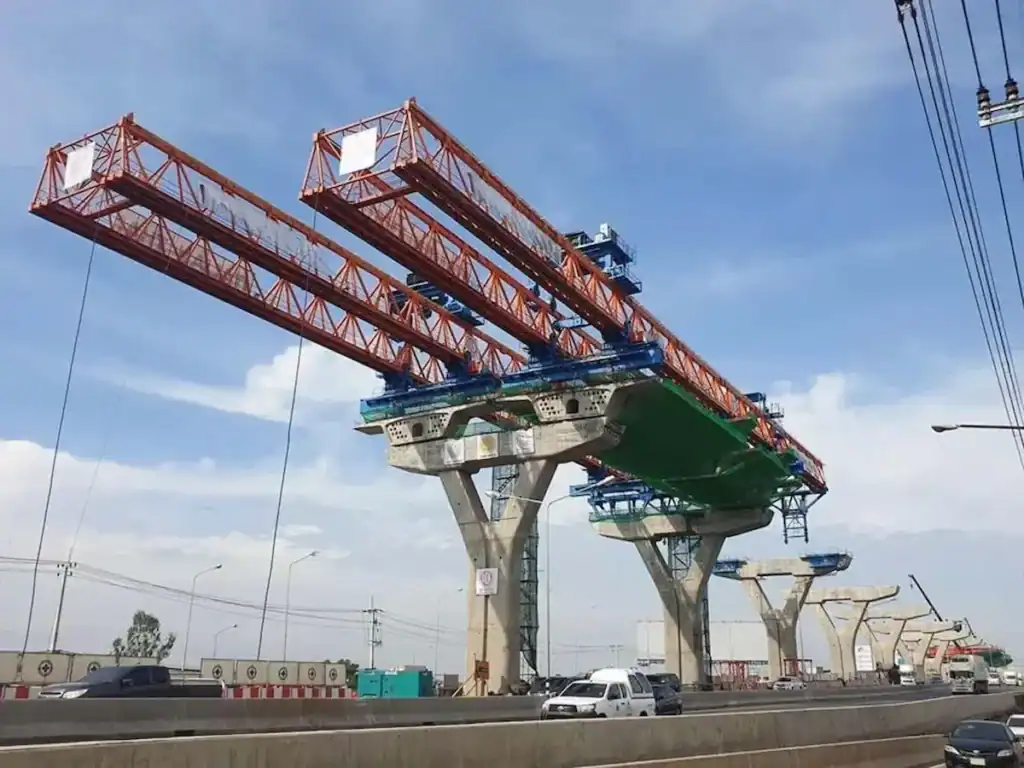
Case Study 1: High-Speed Railway Bridge Project
- Customer Name: China Railway Engineering Corporation (CREC)
- Project Overview: The project spans many deep valleys in Laos with rugged terrain. The bridge requires frequent erection of 900-ton full-hole box girders on small-radius curves and steep slopes.
- Core Parameters:
- Equipment Model: Customized bridge launching gantry based on customer requirements.
- Total Erection: Completed 1,280 full-hole box girders in total.
- Average Efficiency: The team overcame high-altitude climates and maintained a stable daily speed of 2.5 girders.
- Pain Points and Solutions: The region has poor geological stability. Regular equipment lacks lateral wind resistance. We designed a high-rigidity truss and an adaptive amplitude mechanism. This solved the center of gravity shift during curved section erection. The project finished 60 days ahead of schedule. It became an efficiency benchmark for the Belt and Road Initiative.
Case Study 2: Large Precast Beam Yard
- Customer Name: China Civil Engineering Construction Corporation (CCECC)
- Project Overview: This is the first urban light rail precast yard in Africa. It handles precasting, storing, and loading 4,500 precast beams for the entire line.
- Core Parameters:
- Equipment Model: Double-girder gantry-type beam lifting gantry crane (group of 4 units working together).
- Lifting Capacity: 160 tons per unit, utilizing an intelligent synchronous linkage control system.
- Cost Reduction Results: The project reduced eight manual labor positions. Beam lifting operation time dropped from 45 minutes to 18 minutes.
- Customer Evaluation: “In Lagos’s humid climate with high corrosion risks, HSBRIDGE’s equipment stability was unexpected,” the customer noted. “Their intelligent dispatch system greatly reduced alignment errors during multi-crane lifting. It ensured beam safety and maintained high operational efficiency in extreme heat.”
Future Trends of Bridge Construction Equipment (2026)
Looking at bridge construction in 2026, equipment is no longer just a steel monster. It has evolved into an intelligent engineering unit with a brain. Future bridge construction equipment selection competes on digital technology mastery rather than just tonnage.
- Intelligent Construction: Automatic control is now a standard feature. The current core is AI-assisted maintenance. Equipment analyzes its load and working conditions in real time. It automatically warns or intervenes before dangerous actions occur, ending the era of manual guesswork.
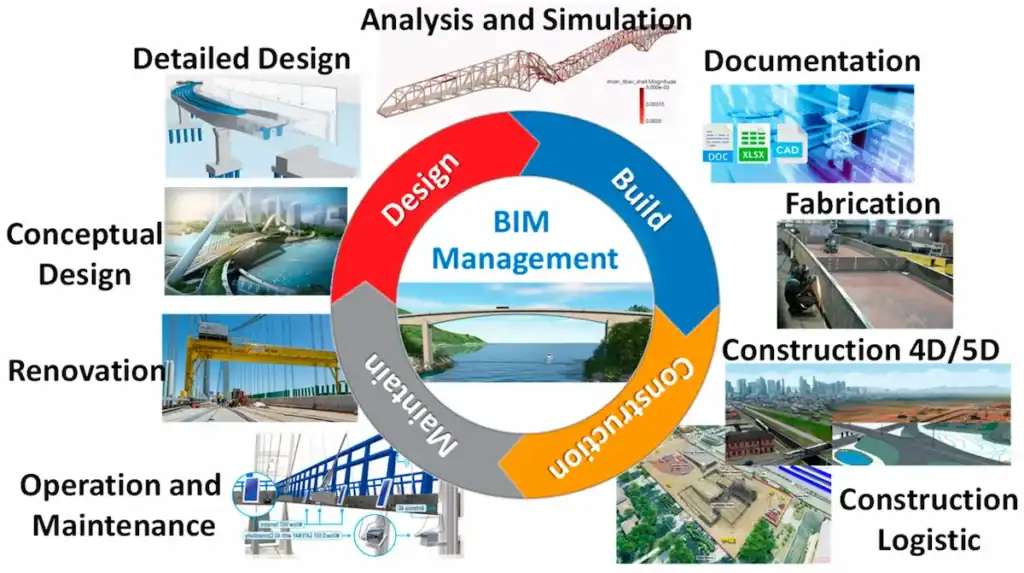
- Full-Process Digitalization (BIM Coordination): Equipment directly reads BIM models and automatically plans hole-passing paths. It transmits field construction data to digital twin systems in real time. Project managers can see the real-time position of each beam from the office.
- Remote Diagnosis and Cloud Maintenance: When failures occur, there is no need to wait for long-distance travel. Experts use remote diagnosis systems to fix codes directly and minimize downtime risks.
- Green Lifecycle Management: Green energy saving is a cost-reduction tool, not just a slogan. New variable frequency and energy recovery systems reduce equipment power consumption significantly. Digital ledgers make equipment transfer and utilization across projects more scientific.
Conclusion
Bridge engineering is not a one-time transaction. Equipment selection is a balance of efficiency, safety, and long-term costs. As the construction skeleton, the bridge launching gantry, beam lifting gantry crane, and beam transporter determine profits. In this era of refined competition, avoid focusing solely on price comparisons. Configure bridge construction equipment solutions based on the Life Cycle Cost (LCC) perspective. Choosing a partner with strong R&D and service security guarantees on-time project completion.
Planning a bridge project?
HSBRIDGE provides complete solutions for bridge launching gantry, beam lifting gantry crane, and beam transporter. We help bridge construction companies reduce purchase costs and improve construction efficiency.
Contact HSBRIDGE now for free bridge construction equipment selection advice and budget plans.
Equipment selected, how to ensure zero-accident delivery?
Bridge construction sites are full of uncontrollable factors. In addition to excellent equipment, scientific protection processes are crucial.
Click to get: Bridge Girder Erection Safety: Complete Guide & Risk Control. It covers prevention strategies for beam erection to protect every project milestone.
FAQ
Q: How to decide if my project is suitable for renting or buying equipment?
A: This depends on your workload. If the project exceeds two years, buying equipment is more cost-effective long-term. If the project schedule is tight and temporary, renting avoids asset accumulation troubles.
Q: Can HSBRIDGE’s bridge construction equipment be compatible with beam parameters of different brands?
A: Yes. Our equipment utilizes a modular design. Changing spreaders or adjusting main girder spans ensures compatibility with standard box and T-beams. This maximizes your equipment utilization rate.
Q: What is the after-sales response speed if bridge construction equipment fails on site?
A: We established a global 24-hour response mechanism. Core parts warehouses are located in major construction areas. Experts provide remote diagnosis or arrive on-site within 24 to 48 hours.
Q: Why should we pay special attention to intelligent configurations during 2026 selection?
A: Humans remain the most difficult variable to control in engineering. Intelligent systems reduce human operational errors like unbalanced loads. They ensure safety and improve daily erection efficiency through precise control. The financial benefits far exceed the equipment price difference.
This document is for reference only. Specific operations must strictly comply with local laws and regulations and equipment manuals.

Get Expert Advice for Your Bridge Project
Our engineering team brings decades of experience in bridge construction equipment. Let us help you find the right solution.