 EN_US
EN_US  Español
  Русский
  العربية
  Português do Brasil
  Français
  Bahasa Indonesia
  Türkçe
  Tiếng Việt
  Bahasa Melayu
  Українська


 Technical Insight
Technical Insight
EPC Bridge Equipment Procurement Guide: How to Choose a Reliable Supplier
Overview
For general contractors, purchasing EPC bridge equipment is not just a standard expense. It is a strategic decision affecting project schedules, overall costs, and final delivery quality. Purchasing beam transporters, bridge launching gantries, or beam lift gantry cranes requires careful vendor evaluation. Contractors must avoid the dangerous trap of simply choosing the lowest bidder. Low bids often ignore manufacturing strength, technical expertise, quality systems, international experience, and after-sales support. Ignoring these key factors causes slow site installation, costly schedule delays, and hidden maintenance expenses later.
This article addresses real purchasing challenges faced by EPC contractors today. We break down vendor evaluation standards, equipment selection criteria, and procurement risk control methods. This guide helps your procurement team avoid common traps and select reliable partners. Secure dependable equipment suppliers to ensure smooth delivery for your major infrastructure projects.
Looking for Reliable Bridge Equipment Suppliers?
HSBRIDGE focuses on R&D and high-end manufacturing for bridge construction equipment. We provide complete solutions including beam carriers, girder launchers, and beam gantry cranes. Our team fully supports deep customization needs for major EPC turnkey projects.
[Contact HSBRIDGE to get custom equipment solutions, technical specs, and project quotes]
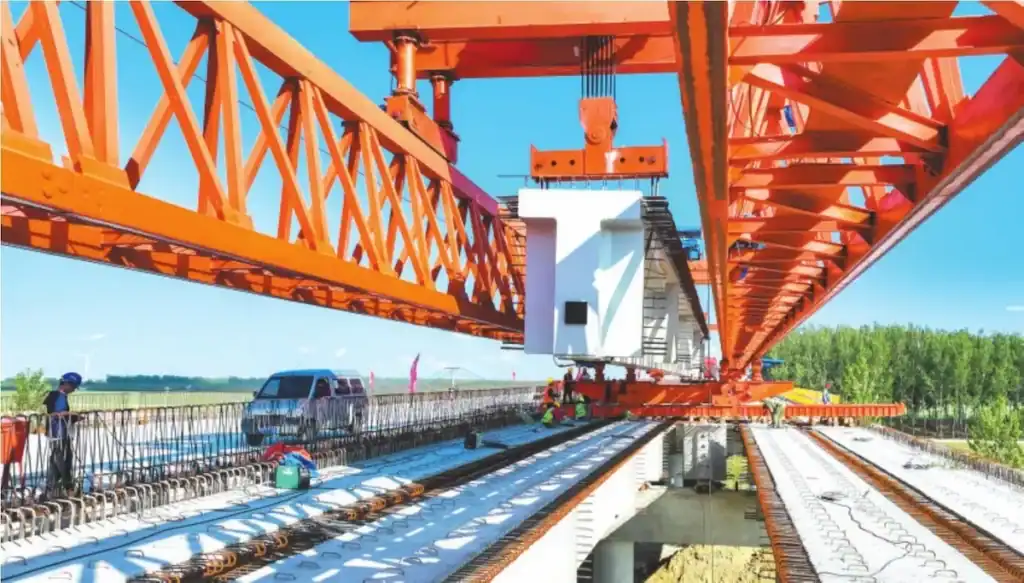
Why Do EPC Projects Value Bridge Equipment Suppliers More?
Experienced overseas contractors know that buying equipment is never just about paying money. In EPC projects, choosing a reliable EPC bridge equipment supplier acts like an insurance policy. This decision directly protects both overall project profitability and company reputation.
What Are the Features of the EPC Procurement Model?
Unlike traditional subcontracting, turnkey EPC projects follow a distinct operational logic. This operational structure creates significantly higher demands on the equipment supply chain:
- Integrated Design, Procurement, and Construction: These three phases overlap constantly during project execution. Equipment technical parameters must align seamlessly with design drawings and civil progress. Key parameters include girder launcher passing methods and gantry crane wheel loads. Data errors can force expensive redesigns of pre-built pier structures.
- Extremely Compressed Procurement Cycles: EPC contracts feature strict milestone schedules and harsh penalties. Superstructure equipment is often shipped while bridge piers are still being poured. Procurement teams have no room for trial-and-error or prolonged price comparisons.
- Highly Concentrated Project Risks: Project owners only care about final operational results. The EPC contractor bears all liabilities and heavy delay fines alone. This includes risks from design flaws, equipment breakdowns, or construction delays.
- High Barriers in Cross-Border Coordination: Many major bridge projects are located overseas. Suppliers must understand manufacturing as well as international shipping and customs clearance. They must also comply with destination electrical codes and local labor laws.
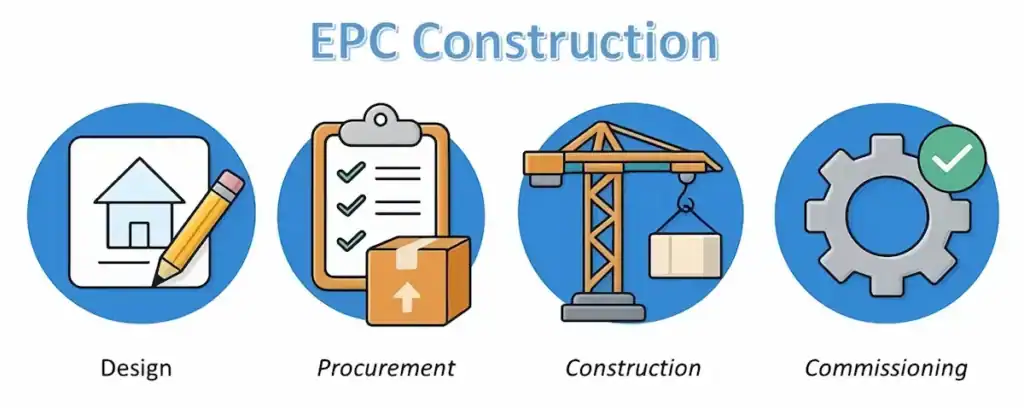
Why Does the Supplier Impact the Entire Project?
Simply put, bridge construction equipment serves as the core heart of project operations. Weak supplier capabilities will quickly turn into severe disasters on the job site:
- Fatal Schedule Delay Risks: Equipment breakdowns on beam carriers or launchers stop all beam yard production. Main bridge span erection comes to a complete standstill immediately. Daily liquidated damages under EPC contracts can reach astronomical amounts quickly.
- Installation and Commissioning Set the Starting Line: Top suppliers complete factory acceptance testing and pre-assembly before shipping. Poor processing precision creates severe assembly difficulties at the job site. Repeated cutting, welding, and commissioning waste weeks of critical project time.
- Uncontrollable Long-Term Maintenance Costs: Bridge jobsites feature harsh environments like salt spray, sand, or extreme cold. Cheap equipment often cuts corners on hydraulic systems and electrical components. Frequent spare part replacements and overseas repairs quickly erode project profits.
- Strict Project Acceptance Risks: Heavy bridge machinery is classified as specialized equipment. Without ISO or CE certifications, equipment cannot pass local site inspections. Failing third-party inspection directly prevents legal project startup on site.
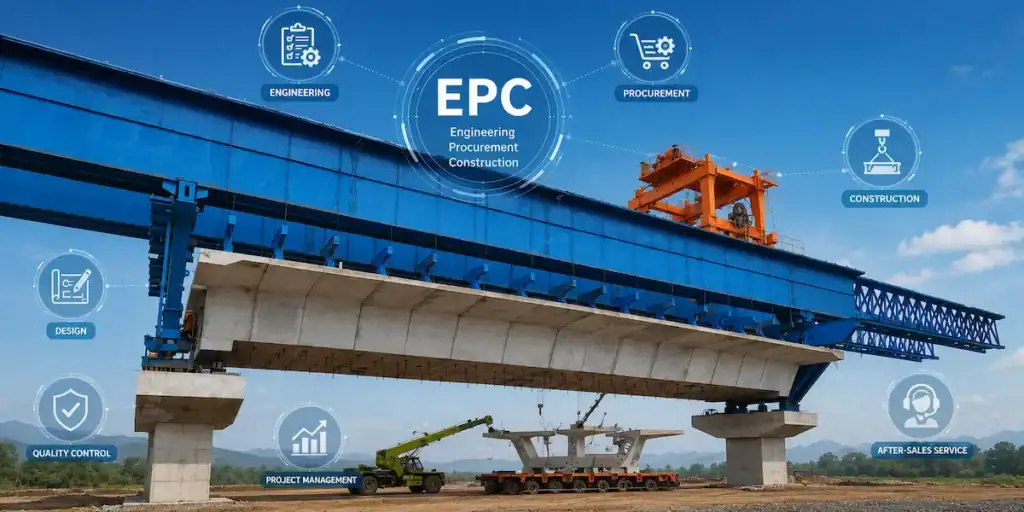
What Does Main EPC Bridge Equipment Include?
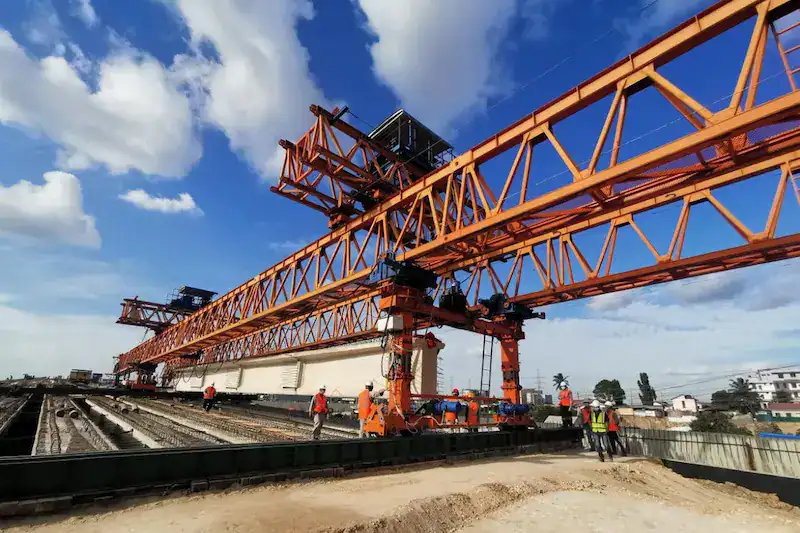
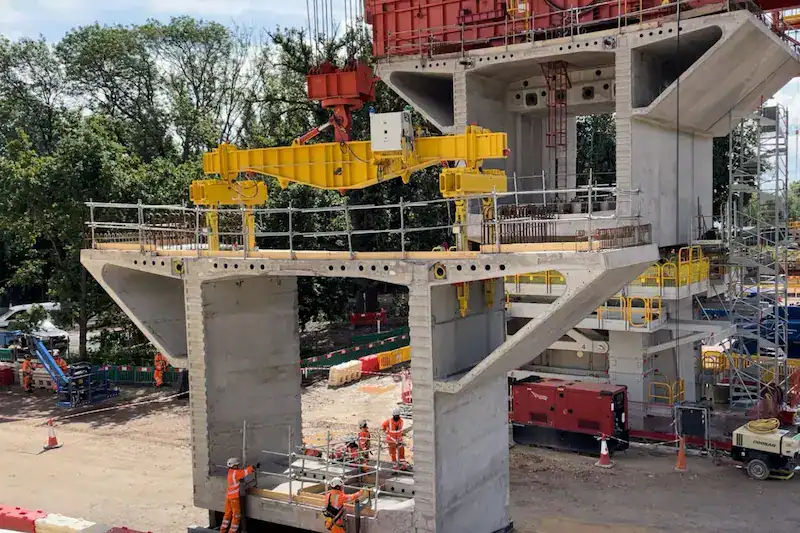
When conducting turnkey purchasing, contractors must clarify the overall construction equipment matrix. A complete EPC bridge equipment package focuses on beam lifting, transport, and erection. Key equipment items and procurement focus points are listed below:
| Equipment Type | Core Functions & Application Scenarios | EPC Procurement Focus Points |
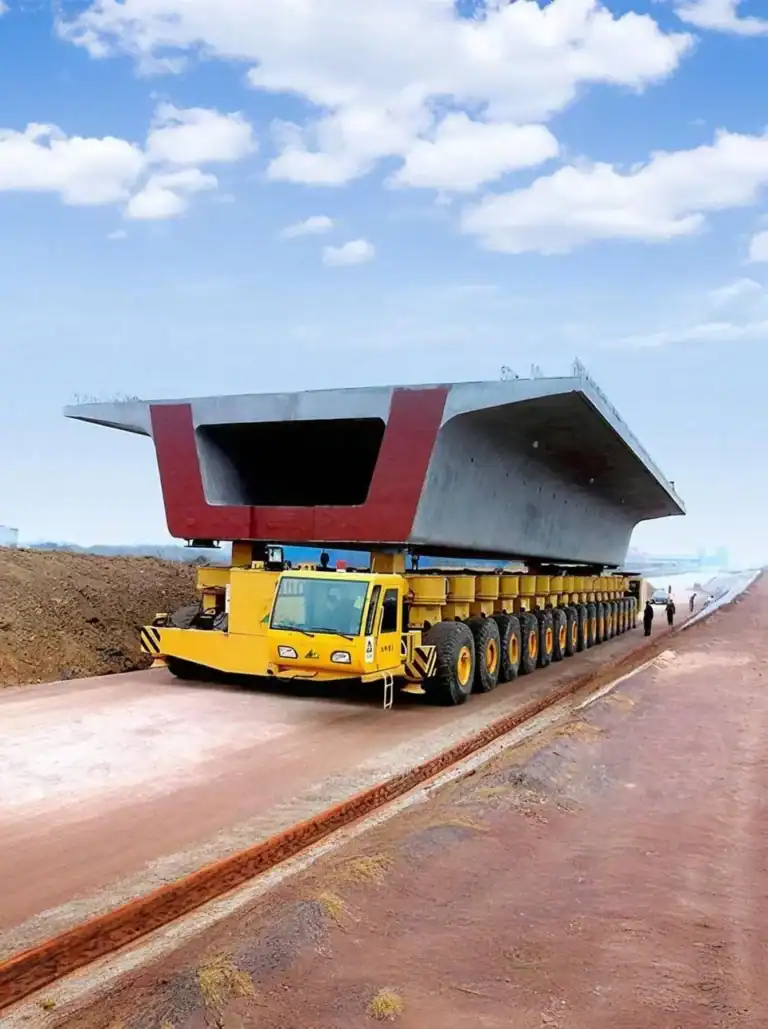
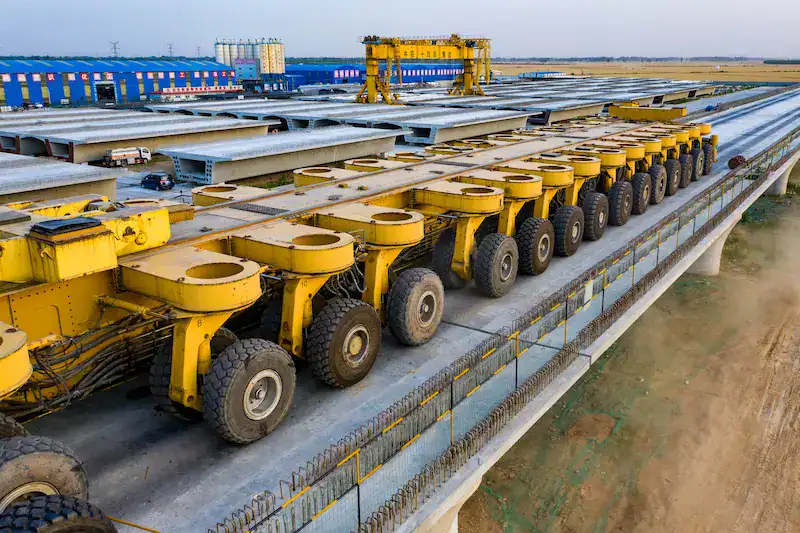
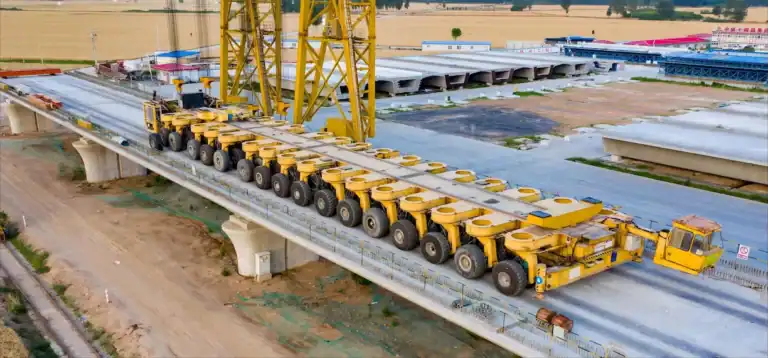
| Beam Transporter | Transports precast beams safely from yard to bridge site. Uses multi-axle hydraulic suspension for rough terrain. | Climbing ability and heavy-load steering flexibility. Multi-axle control stability and beam compatibility. |
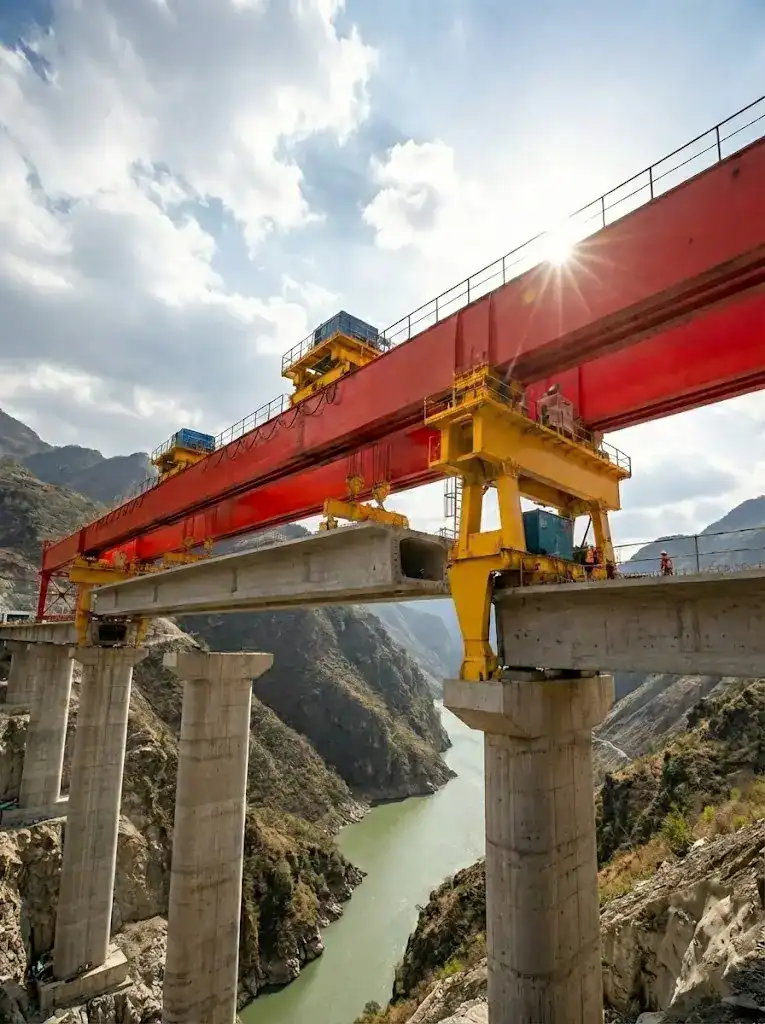
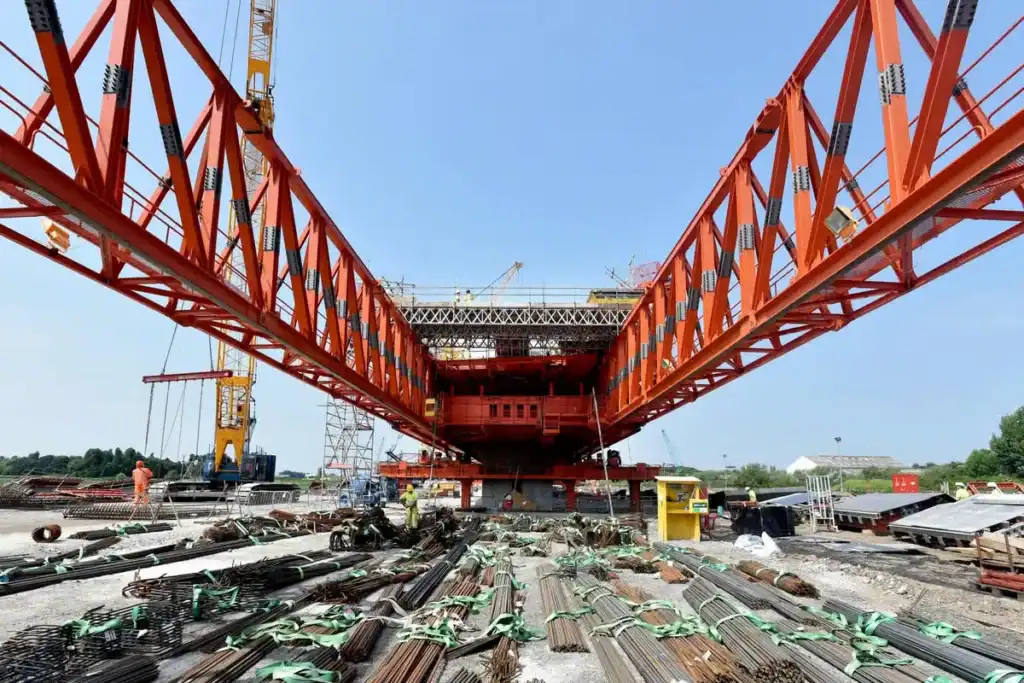
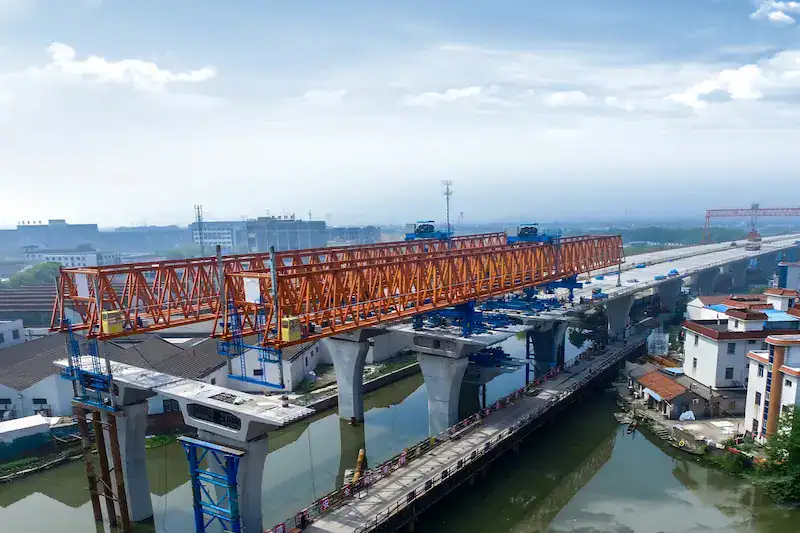
| Bridge Launching Gantry | Mounted on piers to catch beams from carriers. Lowers concrete beams into position during span erection. Critical lead machinery for overall bridge construction. | Span range, lifting capacity, and wind resistance. Travel safety factor and fine positioning accuracy. Ease of site assembly and disassembly. |
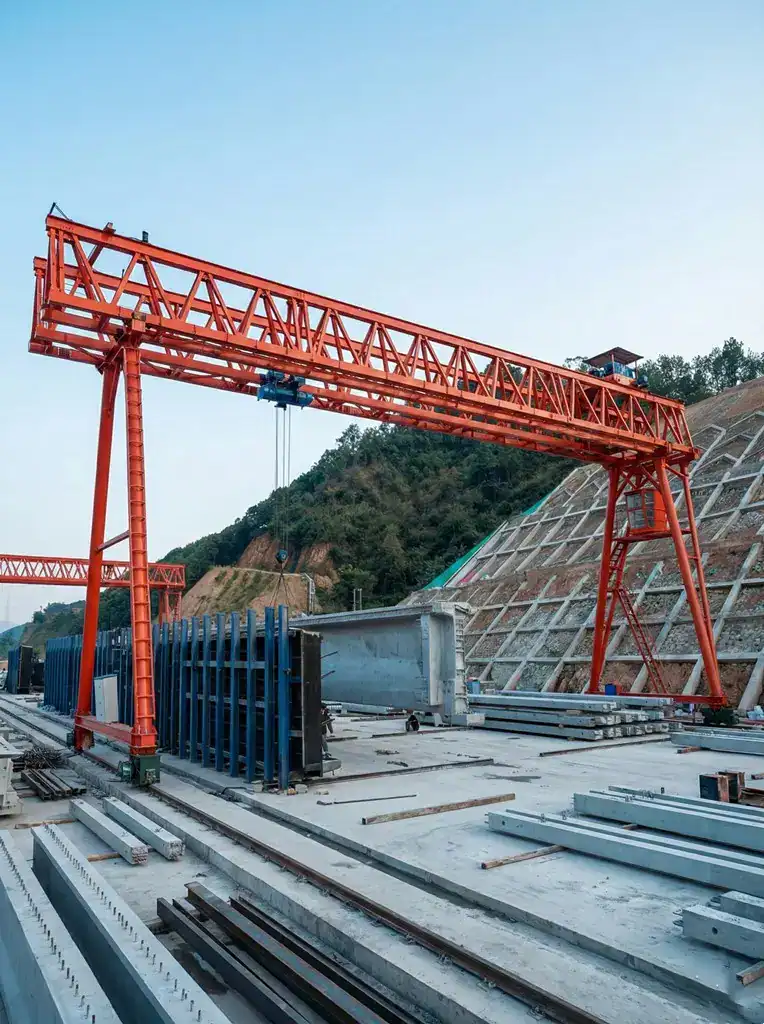
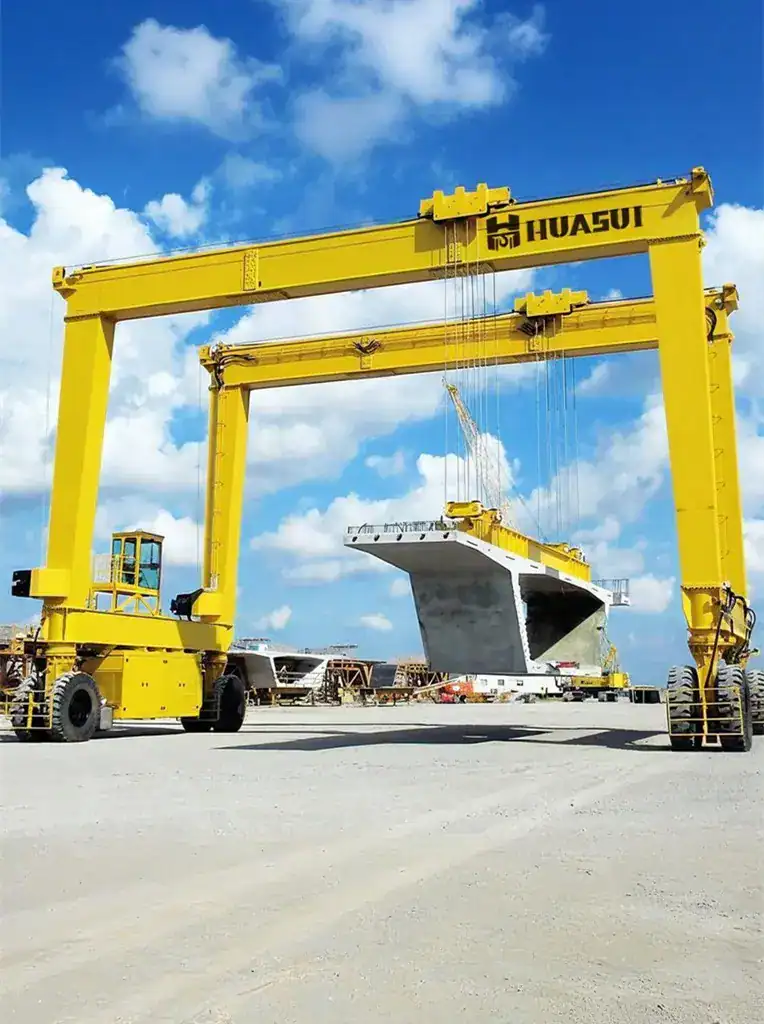
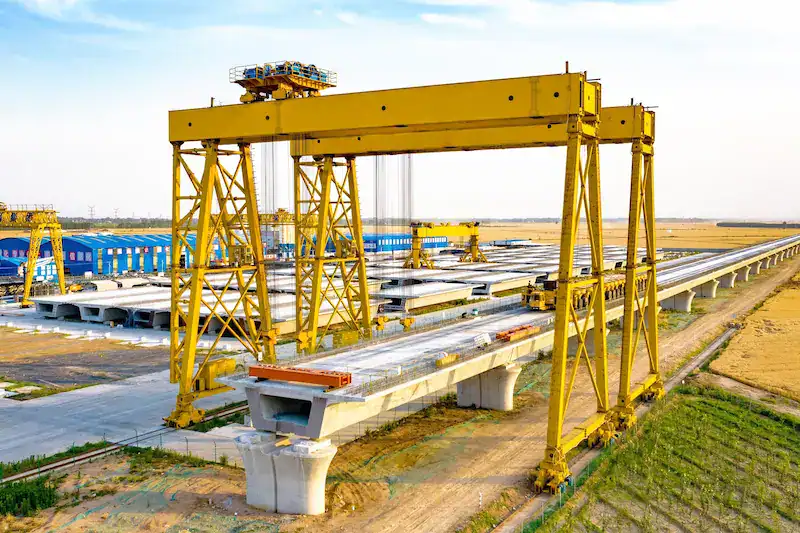
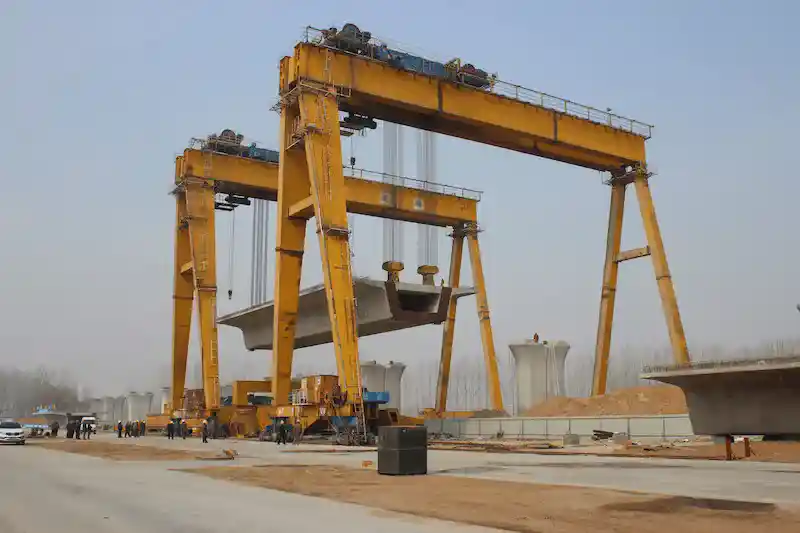
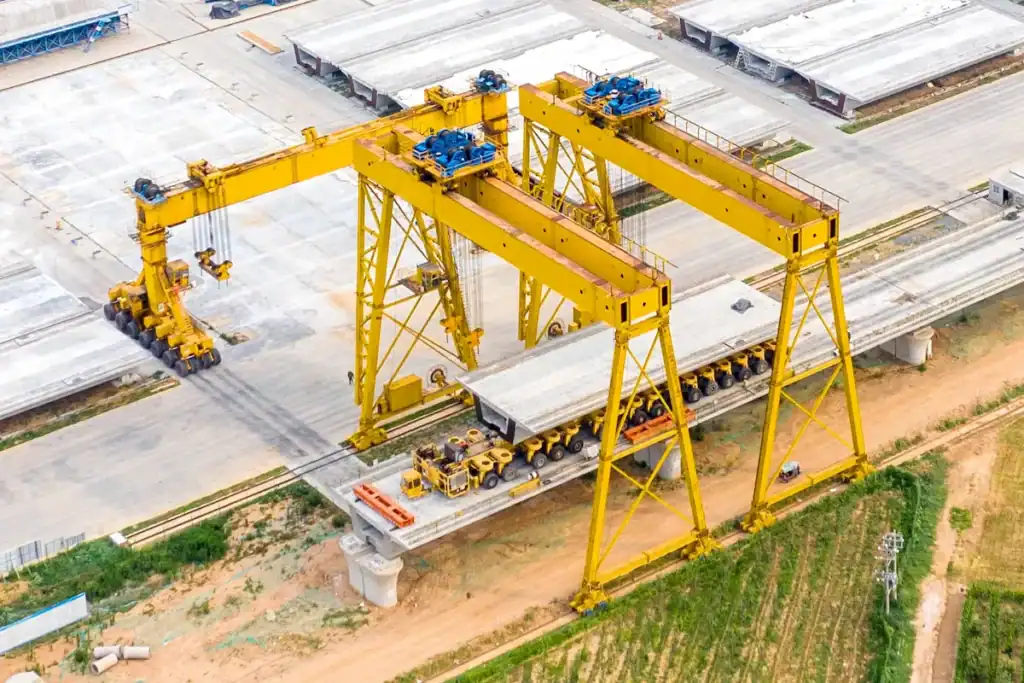
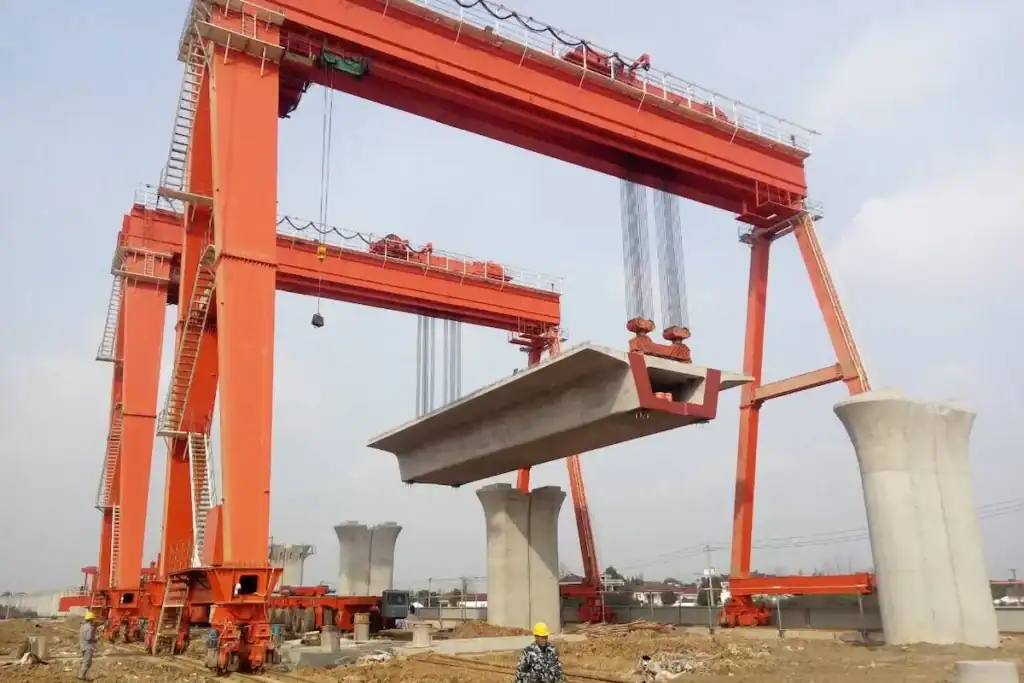
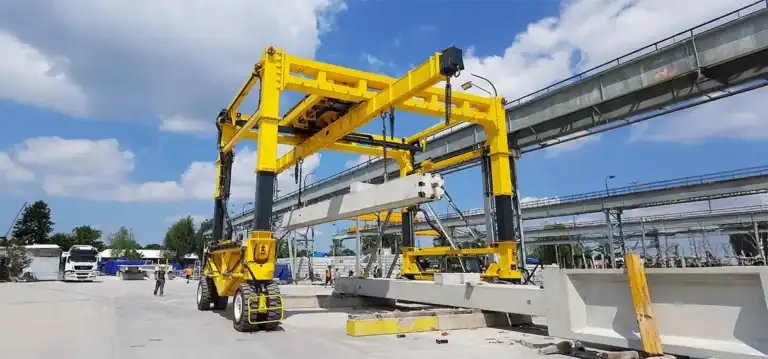
| Beam Lifting Gantry Crane | Deployed in precast yards for beam stripping and loading. Usually operates in synchronized pairs for heavy lifting. | Winch synchronization precision to prevent beam damage. Travel deviation correction and foundation pressure adaptability. |
| Auxiliary Equipment | Supports main machinery operations and jobsite construction. Includes hydraulic jacks, generators, spreaders, wire ropes, and reels. | Global replacement ease for wearing parts. Power system stability during continuous operations. Signal communication compatibility between equipment items. |
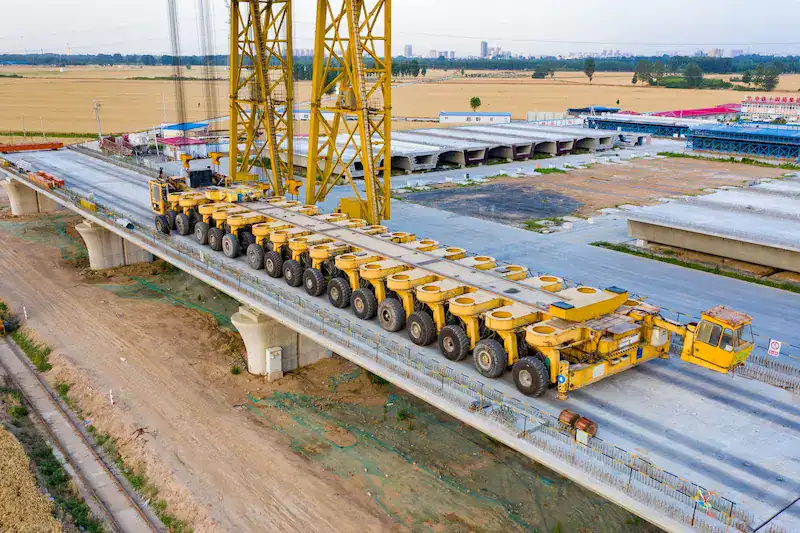
How to Evaluate EPC Bridge Equipment Suppliers Effectively?
For major projects costing tens of millions, slick presentations and price quotes are not enough. Experienced procurement specialists know evaluating an EPC bridge equipment supplier means assessing their problem-solving ability. They evaluate how suppliers handle emergencies and solve complex technical challenges. We recommend starting with these four core evaluation metrics:
- Manufacturing Capability: Look beyond factory floor space. Focus on cutting, welding, and machining strength. Bridge machinery relies heavily on heavy steel structures. Cutting precision and weld quality directly determine site assembly success. Production capacity must meet tight EPC delivery schedules on time.
- R&D Capability: Every bridge project presents unique engineering requirements. Standard machinery cannot handle steep grades, tight curves, or harsh environments. Strong suppliers offer deep custom design capabilities. They communicate with EPC design institutes to deliver custom solutions fast.
- Quality Management System: ISO certificates on the wall are only a baseline requirement. True quality control requires complete material traceability for every steel plate. Suppliers must manage key supply chains for hydraulic pumps, gearboxes, and PLCs. Qualified vendors provide complete Inspection and Test Plans (ITP) throughout production.
- International Project Experience: Domestic success does not guarantee overseas performance. Experienced international suppliers understand foreign standards like FEM and EN codes. They handle strict inspection processes and international customs paperwork smoothly. This experience saves you significant communication costs.
Not Sure Which Bridge Equipment Fits Your Project Best?
HSBRIDGE senior engineers provide custom equipment packages tailored to your exact project needs. We consider span length, beam weight, extreme site conditions, and project schedule milestones. We offer beam carriers, girder launchers, and beam gantry cranes for your project.
[Click here to contact HSBRIDGE for free equipment selection advice and drawing services]
Which Technical Parameters Matter Most in EPC Bridge Equipment Procurement?
During technical clarifications, drawing parameters determine how well equipment performs on site. Below is the core parameter checklist for evaluating EPC bridge equipment solutions:
| Equipment Type | Core Technical Parameters | Why Is This Critical for EPC Projects? |
| Beam Transporter | Rated load capacity (t) | Must include safety margins for overweight beams or remaining mold forms. |
| Suspension system and wheel load (kN) | Prevents damage to bridge decks or subgrades during heavy transport. | |
| Max gradeability and min turning radius | Determines if carriers can navigate complex mountain roads or ramps. | |
| Bridge Launching Gantry | Applicable span (m) and lifting capacity (t) | Serves as baseline capability to cover all main bridge beam types. |
| Launching method and speed | Directly drives erection efficiency. Longitudinal travel speed controls tight project timelines. | |
| Wind resistance rating (operating/non-operating) | Critical for cross-river or coastal projects to ensure equipment safety during storms. | |
| Beam Lifting Gantry Crane | Lifting speed and inching control precision | High precision during beam placement prevents costly impact damage. |
| Dual-crane lifting synchronization error | Poor synchronization causes beam twisting or fatal structural cracking during lifts. |
How to Reduce EPC Bridge Equipment Procurement Risks?
When EPC bridge equipment procurement fails during project execution, recovery costs are catastrophic. A reliable EPC procurement team controls risk using these six critical checkpoints:
- Deep Supplier Qualification Audit: Look beyond promotional claims. Check 3 to 5 years of financial health, legal records, and past project references. Contact previous end users directly whenever possible.
- Strict Factory Audit: This step must never be skipped. Send engineers or third-party agencies to inspect welds, rust removal, painting, and worker standards. Seeing real factory operations beats a thousand words.
- Third-Party Inspection: Hire recognized international agencies like SGS, TÜV, or BV for independent witnessing. Inspect steel cutting, critical welding, and final assembly using objective data.
- In-Factory Acceptance Testing (FAT): Large machinery must undergo pre-assembly and load testing at the factory lot. Finding misaligned holes or hydraulic leaks in the factory prevents costly site repairs.
- Rigorous Packaging and Shipping Plans: Bridge machinery includes out-of-gauge (OOG) cargo. Suppliers must provide detailed packing, anti-rust, and sea-fastening plans. Inadequate protection turns expensive equipment into scrap metal during sea transport.
- On-Site Installation and After-Sales Support: Contractually mandate experienced supplier engineers to guide site assembly. Contracts must clearly define spare parts stock, local operator training, and warranty SLA response times.
Common Pitfalls in EPC Bridge Equipment Procurement
After working with hundreds of large overseas infrastructure projects, we noticed a common trend. Many general contractors frequently pay “tuition fees” in hidden areas during equipment procurement. To help you avoid these minefields, we outlined the following common procurement pitfalls:
| Common Pitfalls | Resulting Project Risks | Breakthrough Recommendations |
| Only Comparing Equipment Prices | Focusing solely on initial quotes often causes later maintenance and parts costs to exceed price differences, completely destroying budgets. | Shift the evaluation focus to Total Cost of Ownership (TCO), comprehensively considering energy consumption, depreciation, and maintenance fees. |
| Ignoring Life-Cycle Costs | Frequent breakdowns of low-quality equipment cause severe schedule delays. Shutdown penalties in overseas infrastructure projects are usually astronomical. | Clearly specify Mean Time Between Failures (MTBF) and design service life requirements in bidding documents. |
| Ignoring Spare Parts Supply | When core components break down, international sea freight takes over half a month, leaving job sites stalled while waiting for parts. | Require suppliers to provide a wearing parts list and confirm their spare parts transit capability in or near the project region. |
| Ignoring Remote Technical Support | When sudden electrical control failures happen on site, local crane engineers are lacking, causing equipment to break down directly. | Prioritize equipment equipped with IoT modules to ensure domestic engineering teams can perform real-time remote diagnostics and dispatch solutions. |
| Ignoring International Logistics | Oversized and overweight EPC bridge equipment gets delayed long-term at destination ports due to incorrect customs documents or restricted inland transport. | Evaluate the manufacturer’s past FOB/CIF delivery records, or even their customs clearance and specialized transport coordination experience under DDP terms. |
Why Are More EPC Contractors Choosing HSBRIDGE?
In the competitive international engineering market, successfully turning drawings into reality requires more than experience. It requires a deep respect for foundational technical standards. HSBRIDGE has become a long-term partner for top EPC contractors primarily due to these four strengths:
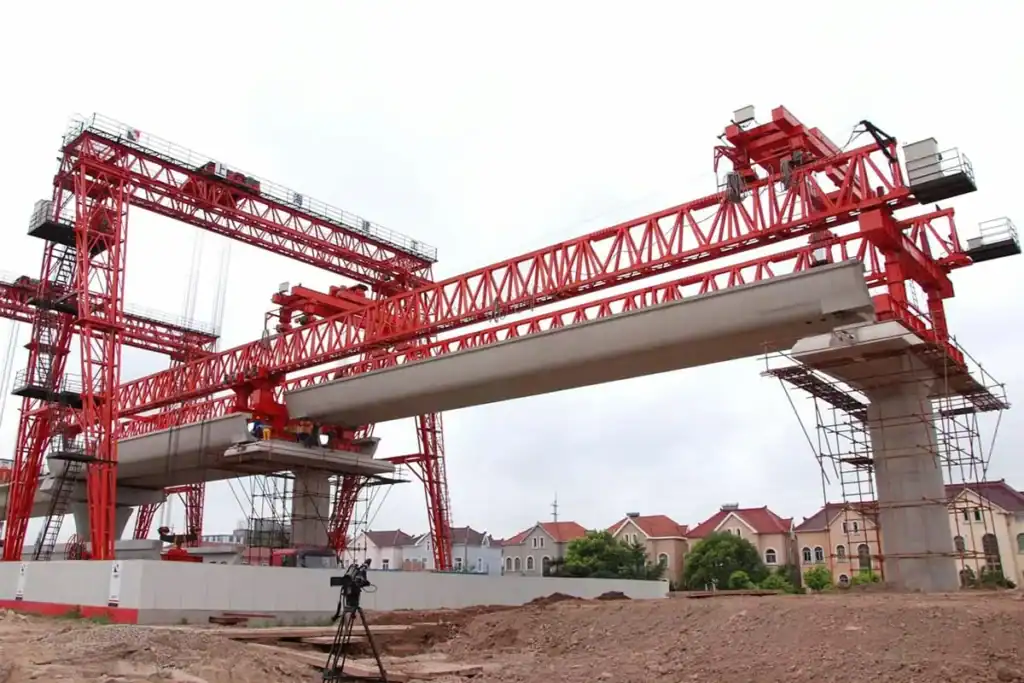
- Rich Bridge Equipment Product Line: From 900-ton high-speed rail beam gantry cranes to girder launchers for complex conditions, we provide a complete EPC bridge equipment matrix. We meet lifting demands across different spans and tonnages, allowing clients to achieve one-stop procurement.
- Custom Design Support and European Standards: For special terrains and eccentric load conditions, our engineering team supports deep customization. We strictly apply applicable clauses of FEM 1.001 (3rd Edition) Part 2 (Load classes) and Part 3 (Calculations of steel structures) for fatigue life and dynamic load design, ensuring structural stability under high-frequency operations.
- Rigorous Quality Control System: Overall equipment design strictly benchmarks European standard EN 13001-2:2014 (Crane safety – Design – General principles and requirements for loads). During manufacturing, from steel shot blasting to weld ultrasonic testing, we implement the ISO 9001:2015 quality management system. Every machine passes 1.25x static load and 1.1x dynamic load tests before leaving the factory.
- Mature Global Project Delivery Experience: Whether navigating Southeast Asian rainy seasons or Middle Eastern sandstorms, our delivery team masters every detail of port customs clearance, specialized transport, and site assembly, ensuring equipment arrives safely and on time.
HSBRIDGE Classic Case Studies
Solid data and projects that withstand extreme working conditions are our best product descriptions.
Case One: Southeast Asia Transnational High-Speed Railway Project
- Partner Client: PT Wijaya Karya (WIKA) / Indonesia
- Project Background: A typical tropical rainforest climate featuring year-round high temperatures and humidity. Soft soil along the alignment imposed strict demands on equipment ground bearing pressure and electrical moisture-proofing.
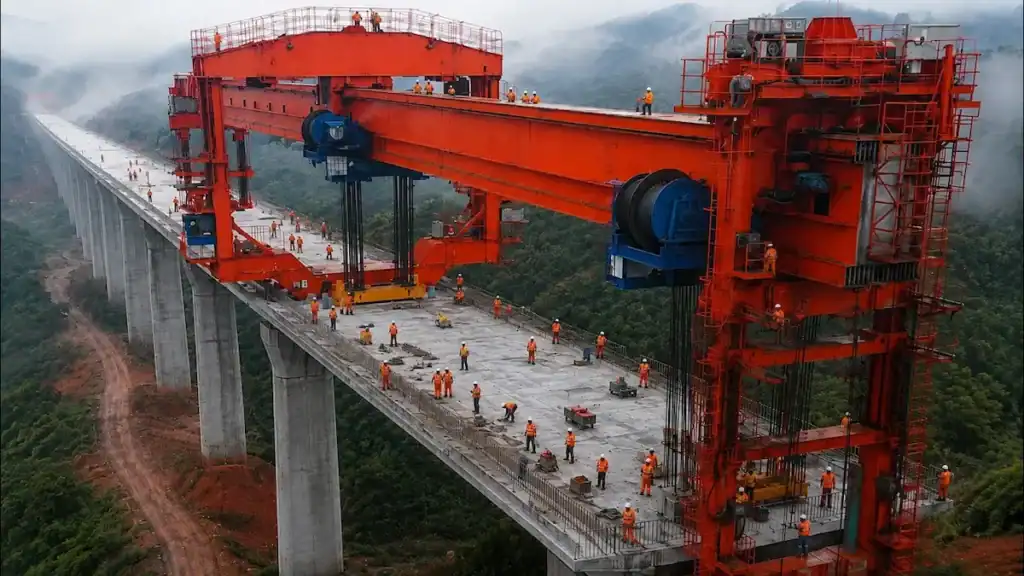
- Equipment Configuration: Two 900t rubber-tyred beam gantry cranes equipped with automatic deviation correction systems and IP65 waterproof electrical cabinets, plus one 900t bridge erection machine featuring custom wide tread designs to lower ground pressure.
- Project Results: Equipment maintained zero-failure downtime records throughout an 8-month rainy season. Relying on efficient passing speed and stable hydraulic systems, the contractor achieved a peak installation rate of three box girders per day, finishing all span erection 22 days ahead of schedule and saving massive rental and labor costs.
Case Two: Saudi Arabia Large Interchange Bridge Construction Project
- Partner Client: Saudi Binladin Group (SBG) / Saudi Arabia
- Client Requirements: On-site summer surface temperatures regularly exceed 55 degrees Celsius alongside frequent heavy sandstorms. Traditional lifting equipment easily suffers hydraulic failure under heat, while fine sand causes motor bearing jams. The client urgently needed heavy lifting equipment suited for extreme desert climates.
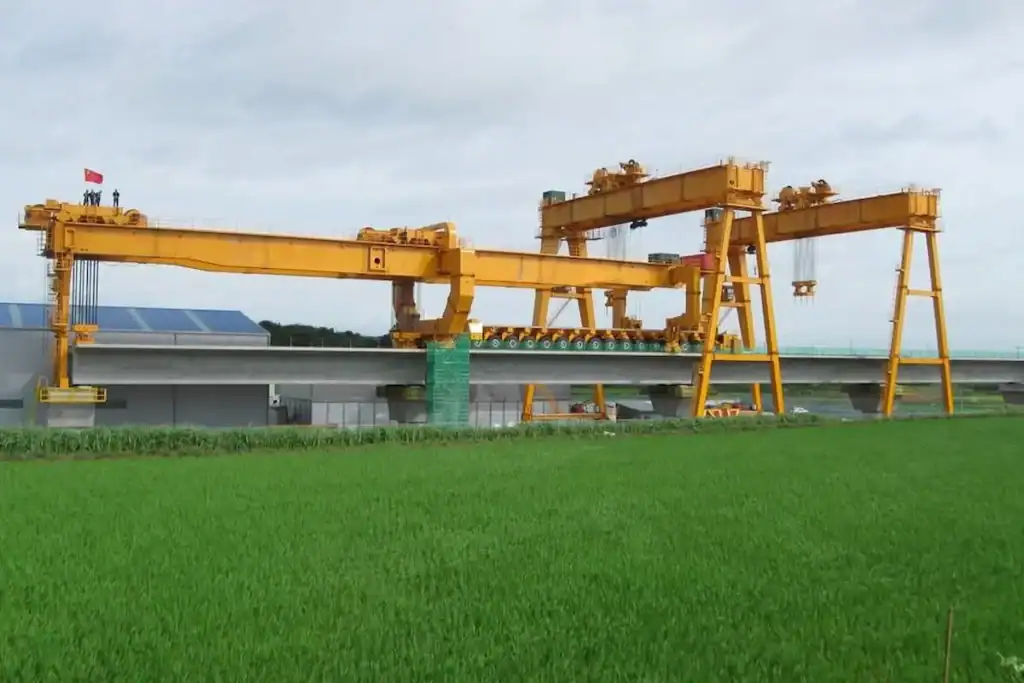
- HSBRIDGE Solution: We custom delivered four 150t intelligent double-girder overhead cranes. Electrical rooms were equipped with industrial independent constant-temperature air conditioning to keep core components running below 25 degrees Celsius. All travel mechanisms and lifting motors adopted IP66 protection structures with custom removable sand-proof filters.
- Project Effect: Over a two-and-a-half-year construction period, this equipment fleet completed over 8,500 precise precast bridge deck lifts. Even during the hottest months of July and August in Saudi Arabia, the equipment maintained a 99.2% high attendance rate, earning the title of “Best Heavy Equipment Guarantor” at the client’s annual supplier conference.
Conclusion
For EPC contractors, finalizing an EPC bridge equipment contract is never just signing a price sheet. It is choosing a reliable partner to ensure smooth project progression. From initial beam parameter matching and custom design to strict factory audits and FAT. Then comes final ocean freight and site assembly. Any compromise or omission can become a catastrophic schedule disaster at remote sites. Excellent purchasing decisions never simply chase the lowest book price. Instead, they must control Total Cost of Ownership (TCO). Choose a supplier like HSBRIDGE with technical expertise, strict standards, and overseas experience. This secures your initial equipment investment. Ultimately, you buy the certainty of safe, on-time project completion. It builds a moat against heavy delay fines and endless maintenance tortures.
Is Your Next Heavy Bridge Project Ready to Set Sail?
Are you worrying about erecting super-large span concrete box girders? Or seeking special lifting equipment for extreme geological and climate conditions? The HSBRIDGE technical team is fully ready to help. We do not just sell equipment. We provide complete engineering wisdom from drawings to execution.
[Contact the HSBRIDGE engineering team now for free custom equipment configurations and preliminary quotes]
Want to Further Compress Overall Equipment Costs in Next EPC Projects?
Unreasonable early equipment selection often doubles hidden maintenance and delay costs later. In the 2026 infrastructure environment, what equipment combination offers the optimal cost-performance ratio?
Click to read: [《Bridge Construction Equipment Selection and Cost Control Guide (2026)》]. It includes real project selection logics and budget optimization strategies.
FAQ
To help your teams advance projects, we compiled common questions. These are core concerns from overseas EPC clients about equipment:
Q: What is the lead time for custom EPC bridge equipment?
A: Production cycles depend on tonnage and custom depth. Standard gantry cranes need 3-4 months. Special custom girder launchers need 5-6 months or longer.
Q: Can your equipment meet strict local acceptance standards overseas?
A: Absolutely. Failing local acceptance makes equipment useless scrap metal. Our EPC bridge equipment strictly follows FEM, ISO, and EN standards. We provide CE and SASO certifications based on location requirements. We also offer custom safety designs for local labor laws.
Q: How do you ensure repair speed for sudden remote shutdowns?
A: We lock down downtime risks using three defense lines:
Excess Spare Parts: We ship 1-2 years of wearing parts. This fixes minor issues on site immediately.
IoT Remote Diagnostics: Optional IoT modules allow online PLC data reading. This enables targeted cross-border troubleshooting.
Expert Fast Response: Overseas engineers or local partners respond immediately.
Q: Do you have cost-effective suggestions for tight project budgets?
A: Several approaches optimize costs. First, we evaluate your critical path. Core equipment like girder launchers need new custom configurations. However, auxiliary lifting equipment can use standard modular designs. We lower non-core parameters while maintaining safety. Tell us your target budget and schedule deadlines. We will build a balanced equipment matrix.
This document is for reference only. Specific operations must strictly comply with local laws and regulations and equipment manuals.

Get Expert Advice for Your Bridge Project
Our engineering team brings decades of experience in bridge construction equipment. Let us help you find the right solution.
 Scan to chat